
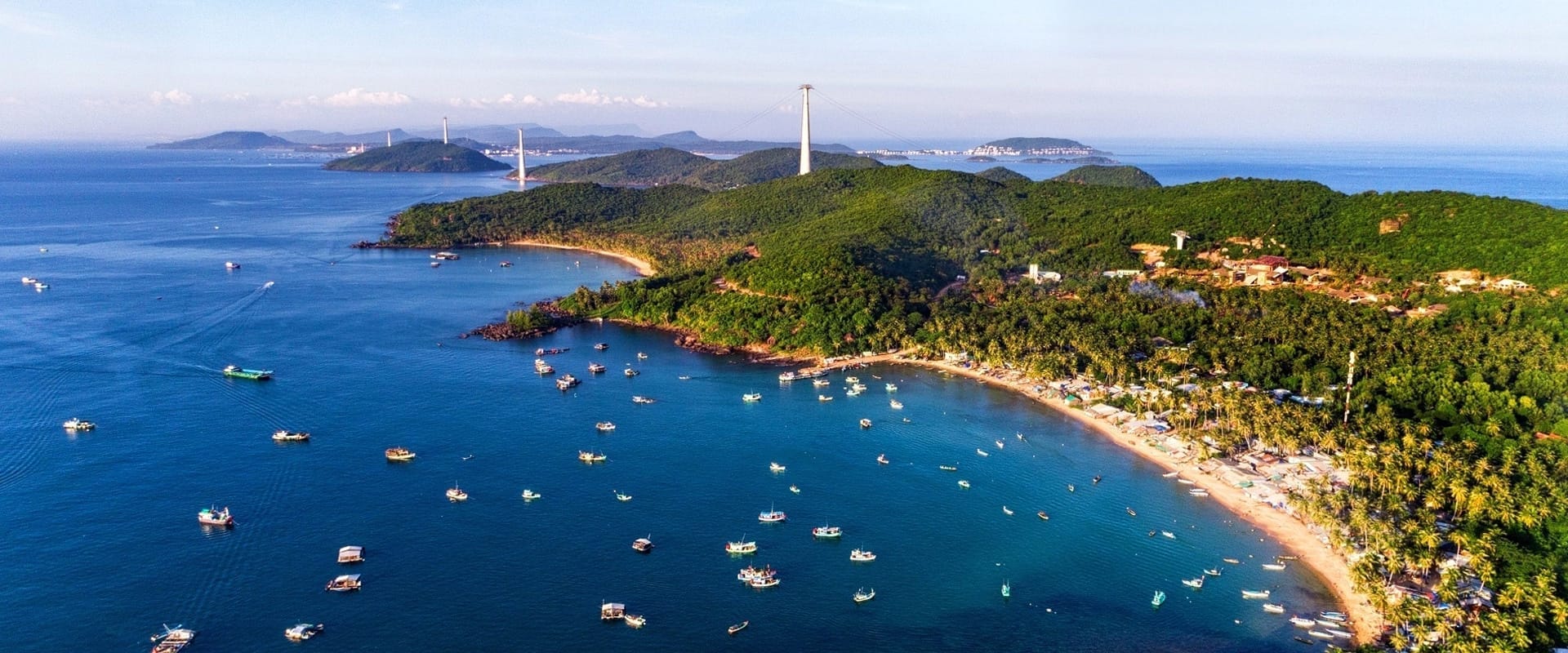
Vietnam’s tropical island escape, where beaches, forest, fishing culture and resort travel meet in the Gulf of Thailand.
Phu Quoc
A Great choice for Central VietNam Tour
Share your details and our travel experts will call you back with personalized packages.
We'll call you soon


QUICK FACTS
Phu Quoc at a Glance
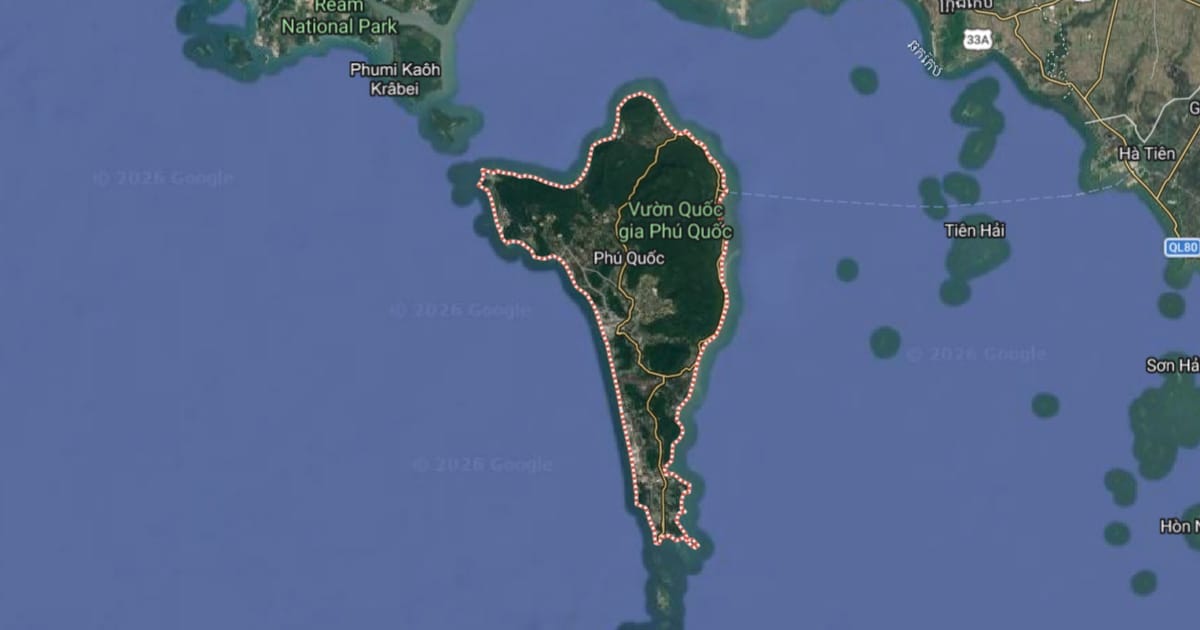
Phu Quoc is not one continuous resort strip. It is a large island with different coastlines, urban areas, fishing communities, forest zones and resort clusters, and the atmosphere changes significantly depending on where you stay.
The central west coast around Duong Dong and Long Beach is the easiest orientation point for many first-time visitors. It combines the island’s main concentration of everyday services with beach access and west-facing sunsets. Farther north, areas such as Ong Lang become quieter and more resort-oriented, while the southern end around An Thoi gives easier access to southern beaches and the An Thoi archipelago.
Nature is also a major part of the island’s identity. Phu Quoc forms part of the Kien Giang Biosphere Reserve, and Phu Quoc National Park protects substantial forest ecosystems. The wider island environment includes tropical forest, mangroves, seagrass and coral habitats that extend the destination far beyond resort beaches.
The most useful planning question is therefore not simply which Phu Quoc beach is best. It is what balance you want between beach time, convenience, local life, resort facilities, island excursions and nature.
What Defines Phu Quoc
- Several different island experiences: the central west coast, quieter northern beaches, forested areas and the southern island zone serve different types of trips.
- Beach time is central but not the whole story: forest, fishing, pepper cultivation, fish-sauce production and marine ecosystems give Phu Quoc a stronger identity than a generic resort island.
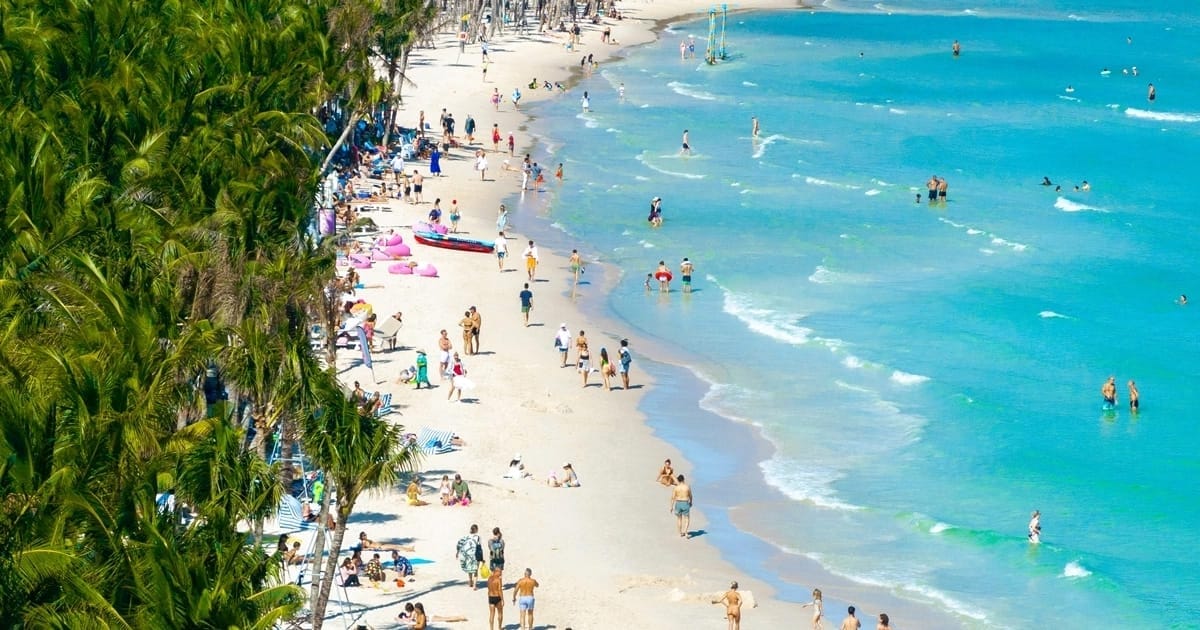
- Sunsets shape the west coast: Long Beach and other west-facing areas are especially associated with evening beach life and sunset views.
- The sea extends the destination beyond the main island: the An Thoi archipelago in the south supports boat trips, snorkeling and island-hopping experiences.
- Accommodation location strongly affects the trip: staying in the north, center or south can change daily transfer time much more than many first-time visitors expect.
- Local products remain part of the island identity: fish sauce, pepper and seafood connect modern tourism with older fishing and agricultural livelihoods.
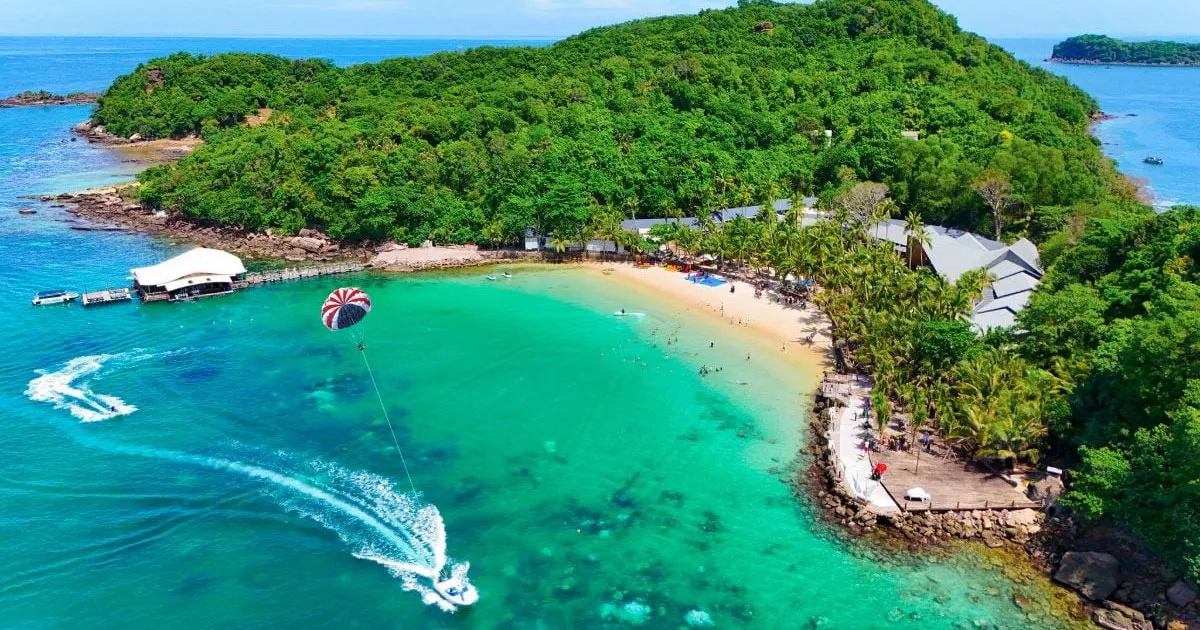
Think of Phu Quoc as Several Travel Zones
The biggest mistake when choosing accommodation is treating “Phu Quoc” as if every hotel sits within the same convenient beach area.
Duong Dong and the central west coast are the easiest all-round choice. This area gives first-time visitors straightforward access to restaurants, shops, local services and sunset-facing coastline. It works particularly well when the trip mixes beach time with independent dining and island exploration.
Ong Lang offers a quieter version of the west coast. It remains close enough to the central part of the island for occasional trips into town, but the atmosphere is generally less urban and more focused on beach stays and smaller-scale resorts.
The south around An Thoi changes the emphasis toward marine activities. Travelers planning island-hopping, snorkeling or substantial time around southern beaches may value this location more than proximity to Duong Dong.
The north works best when the resort or northern landscape is already the priority. Ganh Dau, forest zones and northern coastal areas can feel far removed from the central island. That separation can be an advantage for a quiet holiday but inconvenient when the itinerary repeatedly sends you south.
How Long Should You Stay in Phu Quoc?
Two nights feels compressed. It can work as a pure resort break, but arrival and departure consume a large share of the stay and leave little flexibility for weather or trips beyond the hotel area.
Three nights is a workable introduction. This gives enough time for beach relaxation plus one substantial outing, provided the traveler does not try to cover the whole island.
Four to five days is the strongest range for many first-time visitors. It allows beach time to remain genuinely relaxing while still making room for another part of the island, local food and a sea-based or nature experience.
Longer stays make sense for resort-focused travelers, families or anyone deliberately using Phu Quoc as the slow section of a larger Vietnam itinerary.
Choose Your Base by What You Want After Sunset
The best accommodation area is often easier to choose by thinking about evenings rather than daytime sightseeing.
If you want to leave the hotel for restaurants, markets and a more active local environment, the central west coast and Duong Dong are the easiest fit.
If you prefer dinner at the resort, quiet beach walks and fewer reasons to travel at night, Ong Lang or more isolated resort areas may suit you better.
If the trip is structured around southern marine activities and resort time, staying much farther south can reduce unnecessary cross-island driving.
This is more useful than choosing solely by beach photographs. A beautiful hotel in the wrong part of the island can create more transport than a slightly less dramatic beach in the right location.
Phu Quoc Is Larger Than It Feels on a Hotel Map
Road travel is relatively straightforward, but repeated journeys between the north, central area and far south can consume a surprising amount of a beach holiday.
The practical approach is to group the island by zones. Spend one part of the day around your accommodation area and use longer transfers only when the destination genuinely justifies them.
Taxis, private cars and ride services are practical for many visitors. Motorbikes provide greater independence but are better suited to confident riders, particularly when weather turns wet.
Walking works within Duong Dong, individual resort areas and selected beaches, but Phu Quoc is not a destination where most travelers can connect major zones on foot.
Do Not Choose Phu Quoc Only for a Beach Checklist
Different beaches certainly matter, but trying to visit several famous coastlines in one day can reduce the island to repeated arrivals, photographs and departures.
The west coast is particularly useful for sunset-oriented stays. Southern beaches and the An Thoi area create a different setting, while northern areas bring the coast closer to forest landscapes.
For most travelers, it is better to choose one beach as a base and visit another area only when it provides a genuinely different experience.
Leave Space for the Island Beyond Resorts
Fishing and agriculture shaped Phu Quoc long before large-scale tourism. Anchovy fishing is closely connected with the island’s fish-sauce tradition, while pepper cultivation remains another widely recognized local product.
These elements matter because they explain why Phu Quoc food and local life feel different from a purpose-built tropical resort destination.
The forest is another important counterweight to coastal development. Phu Quoc National Park protects substantial natural areas that connect the island’s tourism identity with forests, coastal ecosystems and marine environments.
Who Will Enjoy Phu Quoc Most?
Phu Quoc works particularly well for couples, families and travelers who want to slow the pace after visiting Vietnam’s large cities or cultural destinations.
It also suits travelers who like having choices. The same trip can combine a resort day, seafood dinner, forest or countryside outing and a day on the water without leaving the wider island destination.
Travelers seeking a highly walkable destination may find Phu Quoc less convenient. Outside compact sections of Duong Dong or individual resorts, transport is usually necessary.
Those whose priority is deep urban culture, major historic architecture or constant street activity will generally find Ho Chi Minh City more rewarding. Phu Quoc works best when the sea and a slower daily rhythm are genuinely part of the reason for traveling.
Phu Quoc in a Southern Vietnam Journey
Ho Chi Minh City and Phu Quoc make a natural contrast. The city provides food, history, street life and urban energy; Phu Quoc provides beach time, sea-based experiences and more space to slow down.
The Mekong Delta and Phu Quoc can also complement each other. One focuses on rivers, agriculture and inland communities; the other shifts the journey toward the Gulf of Thailand, beaches and island life.
Phu Quoc International Airport is the main air gateway to the island. Sea travel is also possible from the southwest mainland, including ferry connections from Ha Tien and Rach Gia.
Weather in Phu Quoc
Phu Quoc stays warm throughout the year, but rainfall and sea conditions have a much bigger influence on a beach holiday than temperature alone.
The drier part of the year generally provides the easiest conditions for swimming, boat trips and long outdoor days. Conditions are typically more settled from late in the year through the first months of the next year, while April and May become hotter as rainfall starts to increase.
Conditions become wetter toward the middle of the year, and the wettest months can bring heavier rain, thunderstorms and rougher marine conditions. This matters particularly when island-hopping or ferry travel is an important part of the itinerary.
A wet-season trip can still work well, especially for resort stays, but it benefits from more flexibility and fewer activities that depend on one specific day of calm sea conditions.
Nearby Attractions


Best Time to Visit Phu Quoc
November through April is the easiest broad planning window for many first-time visitors. This period generally aligns with drier conditions and is well suited to travelers who prioritize beaches and sea activities.
The shoulder months can also work, but conditions become more transitional. Travelers visiting around the change of seasons should avoid assuming every day will look like a resort photograph.
The wetter months are better suited to people who value lower-pressure resort time and can change plans around rainfall. Boat-based experiences require the most weather flexibility.
The best period ultimately depends on whether your priority is dependable beach weather, fewer crowds, resort value or a fixed marine itinerary.
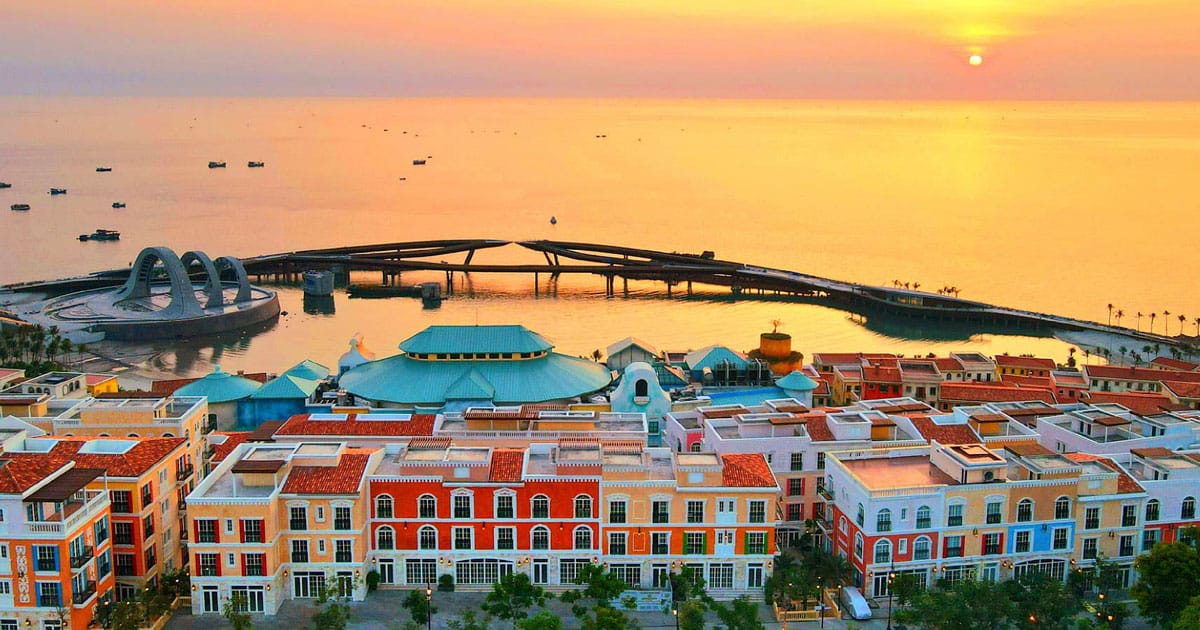
Island Culture and Local Livelihoods
Phu Quoc’s older identity is closely connected with fishing, the sea and agriculture. Tourism now dominates the visitor experience in many coastal areas, but fish-sauce production, pepper cultivation and fishing communities remain important cultural markers of the island.
Phu Quoc fish sauce is particularly closely tied to local anchovy fishing and long-established processing traditions. Pepper provides the agricultural counterpart, linking the island’s inland landscape with a product recognized across Vietnam.
Fishing villages and working harbors also show a different side of Phu Quoc from resort areas. They are living communities rather than staged attractions, so the most useful visits are those that treat local work and everyday life with normal respect.
The island’s natural heritage is equally important, connecting local livelihoods with forest, coastal and marine ecosystems.
Food in Phu Quoc
Seafood is the foundation of the Phu Quoc food experience. Fish, squid, shellfish and other locally landed seafood appear in everything from simple local meals to resort restaurants.
The island’s most important food product is Phu Quoc fish sauce, traditionally associated with anchovies from surrounding waters. Local black pepper is another defining product and often appears alongside seafood or is sold as an island specialty.
Phu Quoc also has a growing modern dining scene, particularly in developed beach and resort areas. This gives travelers the choice between local seafood, casual Vietnamese dining and more international resort-style restaurants.
For a first visit, spend at least one meal outside the hotel environment. The contrast between resort dining and local seafood culture helps explain the island more clearly.
How to Get to Phu Quoc
Phu Quoc International Airport is the main gateway for most visitors arriving by air.
Travelers can also reach Phu Quoc by sea. High-speed ferry services connect the island with southwest mainland ports including Ha Tien and Rach Gia.
After arrival, the accommodation location becomes the next important transport decision. A hotel on the central west coast creates different daily logistics from a resort in the far north or south.
When comparing transfers, check the actual hotel or resort area rather than using “Phu Quoc” as a single destination point.
Practical Tips for Visiting Phu Quoc
- Choose the part of the island before choosing the hotel. Location can affect the trip more than the difference between two similar resorts.
- Use the central west coast for an easy first stay. It provides a useful balance of beach access, sunsets, restaurants and independent travel.
- Do not plan north and south as if they were neighboring beaches. Group distant areas into separate days.
- Leave genuine beach time in the schedule. A Phu Quoc holiday becomes counterproductive if every day is filled with transfers.
- Keep boat plans flexible in wetter months. Marine conditions matter more than they do for normal sightseeing on land.
- Spend at least some time outside a resort. Local food, fishing traditions and everyday island life add context that a beachfront hotel alone cannot provide.
- Be realistic about motorbike riding. Independent riding is convenient, but wet roads and unfamiliar island routes are poor conditions in which to learn.
Why Travel With Us?
Tailored to You: Custom itineraries matching your exact pace and passions.
Go Local: Authentic experiences guided by native experts.
Zero Stress: We handle all logistics—transport, tickets, and stays.
24/7 Support: Round-the-clock local assistance, whenever you need it.
Exceptional Value: Premium quality at fair, transparent prices.
You may also like

A hundred years from now, no one in this world will remember you or me. We only come to this world once — to leave our footprints on new lands and to etch every moment deep into our memory.
Live for the experience. Start your journey today — book your tour and make memories that last a lifetime!
View Our Business & Travel Licenses
Book your holidayGallery
FAQ
Q: Is Phu Quoc worth visiting?
Q: How many days should I spend in Phu Quoc?
Q: Where should first-time visitors stay in Phu Quoc?
Q: Is Duong Dong the same as Phu Quoc?
Q: What province is Phu Quoc in now?
Q: What is the best time to visit Phu Quoc?
Q: Do I need a motorbike in Phu Quoc?
Q: Can I reach Phu Quoc without flying?

Phong Nha–Ke Bang Named Asia’s Leading National Park 2026
Phong Nha–Ke Bang won Asia’s Leading National Park 2026 and Vietnam’s Leading Nature Destination 2026. [...]
Sep

Hue to Dong Hoi by Train: Schedules, Tickets & Phong Nha Connection
Choose the right Hue–Dong Hoi train by arrival window, seat or berth, luggage, HQ2 vs [...]
Sep

Da Nang to Phong Nha: Bus, Train, Private Car & Best Route
Compare direct buses, train via Dong Hoi, private cars and Da Nang Airport connections by [...]
Sep

Hue to Phong Nha: Bus, Train, Private Car & Best Way to Travel
Compare direct buses, Hue Northern Bus Station coaches, the HQ1/HQ2 heritage train, Grab and private [...]
Sep

Da Nang vs Hue: Which City Should You Stay In?
Compare Da Nang and Hue by trip anchor, daily pace, usable nights and transfer friction [...]
Sep

Hoi An Lantern Festival Guide: 2026 Dates & Evening Plan
Plan Hoi An's monthly Lantern Festival around the 14th lunar night, verified 2026 dates, an [...]
Sep

Hoi An Tailor Guide: What to Make, Fittings & Buying Tips
Learn how to get clothes made in Hoi An: choose a tailor, compare fabrics and [...]
Sep

Where to Stay in Hue: Best Areas by Trip Style
Compare the best areas to stay in Hue, from the central south bank and Citadel [...]
Sep