

The Former Imperial Capital of Vietnam
Hue
A Great choice for Central VietNam Tour
Share your details and our travel experts will call you back with personalized packages.
We'll call you soon


QUICK FACTS
About Hue
Hue is best understood as a former imperial capital whose heritage extends across an entire city and landscape. The Nguyen Dynasty ruled from Hue from 1802 to 1945, and the surviving legacy includes the fortified imperial center, royal tombs, temples, pagodas, gardens and ceremonial landscapes connected with the Perfume River. This broader structure is why the Complex of Hue Monuments represents far more than the Imperial City alone.
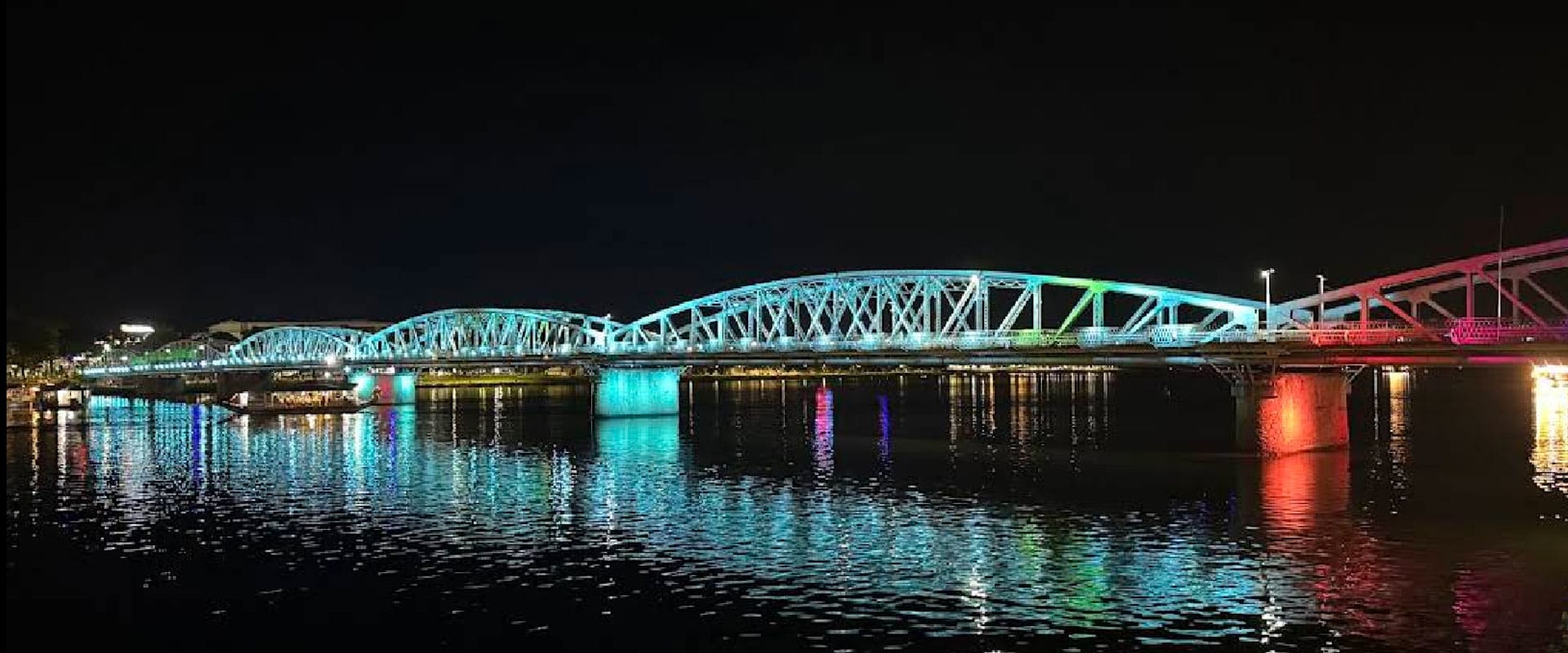
The Perfume River provides the clearest way to understand Hue spatially. The Citadel and much of the strongest imperial atmosphere lie on the north side, while the central south bank concentrates more of the modern visitor infrastructure, restaurants and commercial activity. Beyond the compact center, important royal landscapes spread into quieter areas outside the urban core. Hue therefore combines a walkable central city with heritage sites that require transport and more deliberate planning.
Hue is also a living city rather than an open-air museum. Court traditions survive through cultural expressions such as Nha Nhac, Buddhism remains visible through active religious life, and Hue cuisine carries both imperial influence and strong everyday local traditions. Contemporary cafés, universities, businesses and neighborhoods exist alongside the monumental heritage.
Within a wider Central Vietnam journey, Hue provides a useful change of pace. Da Nang and Hoi An bring coastal, urban and trading-town experiences to the south, while Phong Nha shifts the focus toward caves and natural landscapes to the north. Hue works as the historical and cultural midpoint between them.
Related Tours
 Half Day
 Full Day
 3.5 Hours

What Stands Out in Hue
- Imperial heritage at landscape scale: Hue is defined by the relationship between the former royal capital, surrounding monuments, religious sites and the Perfume River rather than by one attraction alone.
- Living cultural traditions: court music, Buddhism, local food and everyday city life continue alongside the monumental legacy of the Nguyen Dynasty.
- A city organized around the Perfume River: the river separates distinct visitor areas while giving Hue a strong physical and cultural identity.
- A distinctive culinary culture: royal influence, bún bò Huế and the city’s many small rice-based dishes make food part of Hue’s destination identity.
- A naturally slower travel experience: Hue rewards visitors who allow time for heritage, food and city atmosphere instead of maximizing the number of monuments in one day.
- A strategic Central Vietnam position: Hue connects naturally with Da Nang and Hoi An to the south and Phong Nha to the north.

How long should you stay in Hue?
One full day is possible but selective. It works when Hue is a secondary stop and you are comfortable choosing only a small part of the imperial landscape. Trying to include the central heritage area and several outlying sites in the same day quickly becomes more about transport and walking than understanding the city.
Two days is the practical starting point for most first-time visitors. It gives enough space to experience the historic core and a different side of Hue without turning every meal, transfer and heritage visit into a fixed appointment.
Three days suits slower travelers. The extra time is most valuable for people interested in history, photography, food or cultural context, because it creates flexibility rather than simply adding more attractions.
This Destination Hub intentionally stops at that decision level. Detailed day-by-day sequencing belongs in the dedicated Hue itinerary content rather than being duplicated here.
Understand Hue as a city of different zones
Hue becomes much easier to plan once you stop treating it as one compact sightseeing center.
The north-bank heritage area contains the Citadel and carries the strongest physical impression of Hue as a former imperial capital. Walls, gates, older streets and religious spaces give this side of the river a different character from the more commercially active center opposite it.
The central south bank is the easiest practical orientation point for many visitors. Restaurants, cafés, accommodation and transport services are concentrated more strongly here, while bridges across the Perfume River provide straightforward access toward the heritage side.
The wider royal landscape extends beyond central Hue. Important imperial monuments were designed within larger settings of hills, gardens, water and vegetation rather than packed into a single pedestrian district. Reaching this outer heritage zone requires transport, which is why map distance alone is a poor way to judge how much Hue can fit into one day.
The river itself works as the link between these layers. Thinking in terms of north bank, south bank, river corridor and outer royal landscape provides a much clearer mental map than memorizing a list of attractions.
Where should first-time visitors base themselves?
The central south bank is the simplest choice for most short first visits. It offers easy access to restaurants, cafés and transport while keeping the heritage core within a short cross-river journey. This is particularly useful when Hue is part of a multi-destination Central Vietnam trip and convenience matters.
The Citadel side appeals more to travelers who prioritize historical atmosphere. Staying closer to the old imperial area can make the city feel quieter and more connected with its heritage, although visitor services and evening activity are less concentrated than on the central south bank.
A quieter river-edge or more outlying stay can work well for longer, slower trips. The trade-off is greater dependence on transport for restaurants, the central city and other parts of Hue.
The useful decision is therefore not which individual hotel is “best,” but whether your priority is convenience, heritage atmosphere or a quieter base. Individual properties belong in accommodation content rather than in the Destination Hub.
How should you move around Hue?
Central Hue is partly walkable, but the destination as a whole is too spread out to explore entirely on foot. Walking works well along sections of the riverfront, around the central south bank and within individual heritage areas. The larger challenge is moving between those zones.
The most practical pattern is walk within one area and use transport between areas. Taxis, ride-hailing services, private vehicles and motorbikes reduce unnecessary cross-city walking and are particularly useful for the outer royal landscape.
The scale of major heritage complexes also matters. A site may involve considerable walking after you arrive, so saving energy on the transfer can make the overall day more comfortable. This is especially relevant for senior travelers, families and anyone with limited mobility.
Boats on the Perfume River can add a scenic dimension to a Hue visit, but they are better understood as part of the experience than as a complete solution for getting around the city.
Hue works best when heritage is not treated as a checklist
Hue can become tiring when every hour is filled with another palace, tomb or religious monument. The city makes more sense when different types of experience are allowed to contrast with one another.
The former imperial center explains political power and ceremonial space. The wider royal landscape reveals another relationship between architecture and nature. Religious life adds a separate cultural layer, while meals and time beside the Perfume River break up the concentration required by major historical sites.
This is also important for the site architecture of CentralVietnamTour. The Destination Hub should explain how to understand Hue, while the dedicated Things to Do page and individual Attraction pages can handle selection, ranking and detailed visitor information.
Who is Hue best suited to?
Hue is particularly rewarding for travelers interested in Vietnamese history, architecture, culture, religion and food. It suits people who enjoy understanding the relationship between places rather than moving rapidly through a checklist of landmarks.
Couples, photographers and mature travelers often appreciate the slower rhythm and the mix of monumental heritage with river scenery and local dining. Families can also enjoy Hue when the day is paced realistically and long walking periods are broken up with transport and rest.
Travelers whose main priorities are beaches, resorts or nightlife may choose to give more time to Da Nang or Hoi An. For travelers whose strongest interest is Vietnamese heritage, Hue usually deserves more than a transit stop.
Hue inside a Central Vietnam journey
Hue becomes more useful as a destination when its position between other Central Vietnam hubs is understood clearly.
From Da Nang or Hoi An to Hue, the journey moves from coast, modern city life and compact trading-town heritage toward a much larger imperial landscape. The Lang Co and Hai Van corridor also makes the transition geographically distinctive rather than simply a transfer between two hotels.
Hue and Hoi An should not be treated as substitutes. Hoi An is compact and pedestrian-focused, while Hue is larger, more dispersed and structured around royal power, the Perfume River and outlying heritage landscapes. Together they explain very different parts of Central Vietnam’s history.
From Hue toward Phong Nha, the trip changes from human history and architecture toward caves, national-park landscapes and outdoor travel. This contrast makes Hue a natural cultural midpoint on a north–south Central Vietnam route.
The Hub only needs to establish these relationships. Detailed transfer choices and route planning belong in the relevant Destination, Transfer and itinerary content.
Climate in Hue
Hue has a tropical monsoon climate, but travelers mainly need to understand one practical difference: the wetter period becomes especially important later in the year. Spring and summer generally offer more predictable conditions for outdoor heritage visits, while heavier rain becomes a greater factor from around September onward.
Summer can be hot and humid, which matters because many Hue experiences involve exposed outdoor walking. Earlier starts and a slower midday pace are more comfortable than trying to maintain the same sightseeing intensity all day.
During the wetter months, persistent rain can affect walking conditions, heritage grounds and regional transport. Severe weather can also cause flooding in low-lying areas, so flexibility becomes more important.
This is deliberately a destination-level weather summary. Detailed seasonal comparisons, month-by-month conditions and flood-planning advice belong in the dedicated Hue best-time-to-visit guide.
Nearby Attractions


Best Time to Visit Hue
March to May is a particularly comfortable period for many first-time visitors because it generally provides a useful balance for walking and outdoor heritage sightseeing before peak summer heat.
Summer remains workable for travelers comfortable with heat and humidity, especially when the day is organized around earlier outdoor visits and slower midday periods. The wetter part of the year can still suit cultural travelers, but plans need more flexibility when heavy rain affects outdoor sites or regional transport.
The best choice also depends on the wider Central Vietnam itinerary, not Hue alone. Travelers combining Da Nang, Hoi An, Hue and Phong Nha should consider conditions across the full route.
For detailed monthly guidance, seasonal trade-offs and wet-season planning, the dedicated Hue best-time-to-visit page should remain the primary resource.

Culture and People
Hue’s cultural importance goes beyond its surviving buildings. The Nguyen court shaped ceremony, scholarship, cuisine, music, religion and artistic life, creating traditions that continued after Hue stopped functioning as an imperial capital.
Nha Nhac, Vietnamese court music is one of the clearest examples of living royal heritage. Unlike a palace or tomb, it survives through performance, making Hue’s imperial legacy something that can still be experienced as a cultural practice rather than only observed through architecture.
Buddhism forms another visible layer of local life. Active pagodas remain religious spaces, and vegetarian traditions associated with lunar observance continue to influence the city’s food culture. Visitors should therefore approach temples and pagodas as functioning community spaces, not simply tourist sites.
Modern Hue is part of the same entity. Universities, cafés, contemporary restaurants, commerce and ordinary neighborhood life exist around the historic landscape. The city’s defining character comes from this coexistence of imperial memory and everyday modern life rather than from nostalgia alone.
Local Food in Hue
Hue has a distinctive food identity shaped by both imperial refinement and everyday local cooking. The city’s cuisine is often associated with careful presentation and strong flavors, but the most useful introduction is to experience both court influence and ordinary neighborhood dishes.
Bún bò Huế is the best-known example, while bánh bèo, bánh bột lọc and bánh nậm show another characteristic side of local eating through smaller rice-based dishes that are often enjoyed together.
Royal cuisine adds historical context, particularly through elaborate presentation and multiple small courses, but it should not define Hue food on its own. A simple local breakfast or an informal meal can reveal just as much about the destination.
At Hub level, the important point is that food is part of Hue’s cultural identity and should be given genuine time in the stay. Restaurant rankings, complete dish lists and detailed food itineraries belong in supporting Hue food content.

Getting to Hue
Phu Bai International Airport is Hue’s main air gateway. It provides direct access to the destination without requiring every visitor to route through Da Nang.
Hue Railway Station places the city on Vietnam’s main north–south railway corridor. Rail is particularly relevant for travelers combining Hue with Da Nang because the route crosses the coastal and mountain landscape around the Hai Van area.
Road travel from Da Nang or Hoi An is another common way to reach Hue. The route through the Lang Co–Hai Van corridor can make the journey part of the Central Vietnam experience rather than simply a transfer.
Northbound road and rail connections continue toward the broader Phong Nha route and other destinations along Vietnam’s main transport corridor.
Once in Hue, use walking for compact central areas and vehicle transport between larger zones. This is especially important when combining the central city with the outer royal landscape.

Visitor Tips
- Think in zones rather than attraction count. Group central heritage, the south-bank city and the outer royal landscape instead of repeatedly crossing Hue.
- Two days is a safer first-visit assumption than one. A single day is possible, but it requires selective priorities.
- Choose your base by travel style. The south bank favors convenience, the Citadel side favors heritage atmosphere, and quieter outlying stays favor a slower trip.
- Save walking energy for the sites themselves. Use transport between widely separated zones rather than trying to maximize walking throughout the entire destination.
- Adjust the pace in hot or rainy weather. Large outdoor heritage areas become more demanding around midday heat or during persistent rain.
- Dress respectfully in active religious spaces. Temples and pagodas remain places of worship as well as visitor sites.
- Plan the next destination before your final Hue day. Continuing toward Da Nang, Hoi An or Phong Nha involves different transport directions and can influence the most convenient final-night arrangements.
Why Travel With Us?
Tailored to You: Custom itineraries matching your exact pace and passions.
Go Local: Authentic experiences guided by native experts.
Zero Stress: We handle all logistics—transport, tickets, and stays.
24/7 Support: Round-the-clock local assistance, whenever you need it.
Exceptional Value: Premium quality at fair, transparent prices.
You may also like
Related Tours
Half Day
Full Day
3.5 Hours

A hundred years from now, no one in this world will remember you or me. We only come to this world once — to leave our footprints on new lands and to etch every moment deep into our memory.
Live for the experience. Start your journey today — book your tour and make memories that last a lifetime!
View Our Business & Travel Licenses
Book your holidayGallery

FAQ
Q: Is Hue worth visiting?
Q: How many days should I spend in Hue?
Q: Where should I stay in Hue?
Q: Is Hue easy to walk around?
Q: When is the best time to visit Hue?
Q: Can Hue be visited as a day trip from Da Nang or Hoi An?
Q: How does Hue fit with Da Nang, Hoi An and Phong Nha?

Phong Nha–Ke Bang Named Asia’s Leading National Park 2026
Phong Nha–Ke Bang won Asia’s Leading National Park 2026 and Vietnam’s Leading Nature Destination 2026. [...]
Sep

Hue to Dong Hoi by Train: Schedules, Tickets & Phong Nha Connection
Choose the right Hue–Dong Hoi train by arrival window, seat or berth, luggage, HQ2 vs [...]
Sep

Da Nang to Phong Nha: Bus, Train, Private Car & Best Route
Compare direct buses, train via Dong Hoi, private cars and Da Nang Airport connections by [...]
Sep

Hue to Phong Nha: Bus, Train, Private Car & Best Way to Travel
Compare direct buses, Hue Northern Bus Station coaches, the HQ1/HQ2 heritage train, Grab and private [...]
Sep

Da Nang vs Hue: Which City Should You Stay In?
Compare Da Nang and Hue by trip anchor, daily pace, usable nights and transfer friction [...]
Sep

Hoi An Lantern Festival Guide: 2026 Dates & Evening Plan
Plan Hoi An's monthly Lantern Festival around the 14th lunar night, verified 2026 dates, an [...]
Sep

Hoi An Tailor Guide: What to Make, Fittings & Buying Tips
Learn how to get clothes made in Hoi An: choose a tailor, compare fabrics and [...]
Sep

Where to Stay in Hue: Best Areas by Trip Style
Compare the best areas to stay in Hue, from the central south bank and Citadel [...]
Sep