
The best things to do in Hue are not a checklist. For most first-time visitors, a good day combines one major heritage anchor, one contrasting experience and one easy evening. Start with the Imperial City, add either a royal tomb, Thien Mu Pagoda or a food-and-market stop, then finish near the Perfume River. Save Bach Ma National Park for a separate full day.
Hue rewards focus. Its monuments, river, markets and garden-like tombs tell parts of the same story, but they are spread across different zones. Trying to collect every famous name usually creates more driving than discovery. Use the choices below to build a day that matches your interests, mobility and usable hours.

Choose your Hue day in 30 seconds
| If you want… | Choose this day shape | Best anchor | What to leave out |
|---|---|---|---|
| A first introduction to Hue | Heritage core | Imperial City | A long nature detour |
| Architecture and quieter landscapes | One-tomb focus | One royal tomb | Trying to visit every tomb |
| Food and everyday city life | Market-and-river day | Dong Ba Market | A rushed countryside circuit |
| Forest, viewpoints and a physical day out | Nature day | Bach Ma National Park | Central Hue sightseeing the same day |
If this is your first visit and you have only one full day, choose the heritage core. If you have two days, pair that with either a focused tomb-and-pagoda day or a dedicated nature day.
1. Use the Imperial City as your first-time anchor
The Hue Imperial City is the clearest starting point for understanding the former imperial capital. The wider UNESCO-listed Complex of Hue Monuments includes the Citadel and Imperial City as well as royal tombs and religious monuments connected to the Nguyen dynasty. This is not just another attraction on a list: it supplies the context that makes later tombs, gates, gardens and ceremonial spaces easier to read.
Give the complex the freshest part of your day. Heat, rain and walking fatigue matter more here than squeezing in an extra stop. Visitors with limited mobility should reduce the rest of the schedule rather than rush the main site.
Pair it with: Dong Ba Market for food and city life, or Thien Mu Pagoda for a quieter river-side contrast. Do not pair it with: a full Bach Ma excursion.
2. Choose one royal tomb, not all of them
Hue’s royal tombs are not interchangeable. Choosing one well gives you more time to notice how architecture, landscape and royal identity work together.
- Khai Dinh: choose the Tomb of Khai Dinh when you want a compact, highly decorative monument and do not mind steps.
- Minh Mang: choose the Tomb of Minh Mang for a more expansive, axial landscape where the grounds are part of the experience.
- Tu Duc: choose the Tomb of Tu Duc when atmosphere, pavilions and a reflective garden setting matter more than collecting grand facades.
- Gia Long: consider the Tomb of Gia Long if you have more time and value a quieter, landscape-led visit.
The useful decision is not “Which tomb is best?” but “Which tomb adds the contrast my day needs?” After a long morning inside the Imperial City, a landscape-led tomb may feel more rewarding than another dense architectural stop. In rain or strong midday heat, choose the simpler route and preserve time for an unhurried visit.
3. Add Thien Mu Pagoda for a quieter change of pace
Thien Mu Pagoda works best as a change in rhythm after a monument-heavy morning. Its river setting, religious role and long connection with Hue make it more meaningful than a quick photo stop. Dress respectfully, keep voices low and treat active worship areas as living spaces.
This is a natural partner for the Imperial City or one royal tomb. It is less useful when added only because it appears on every tour route. If the day is already running late, protect the quality of your anchor visit and move the pagoda to the next morning.
4. Use Dong Ba Market for food decisions, not souvenir pressure
Dong Ba Market gives a different view of Hue: ingredients, snacks, household goods and the pace of a working market. Go with a mission. That might be comparing local ingredients, choosing one dish, or buying a practical item. A clear mission makes the market easier to navigate and prevents it becoming an unfocused walk through crowded aisles.
Ask the price before ordering, confirm the unit when a price is based on weight, and keep small cash available. If your main goal is a calm meal, use the market as a short exploration and eat elsewhere rather than forcing both experiences into the same stop.
5. Plan one Hue food thread through the day
Hue food is best understood as a thread, not a single “must-eat” meal. Build your day around three different needs: a practical breakfast, one signature lunch or dinner, and a small snack or sweet. Bun bo Hue, rice-based small plates, dumplings and delicate sweets belong to different eating occasions; ordering all of them at once hides those differences.
Choose places by what they specialise in, how busy the kitchen appears and whether the menu is clear. Prices, opening hours and vendors change, so verify current details locally rather than treating an old online list as a fixed itinerary.
6. Let the Perfume River shape an easy evening
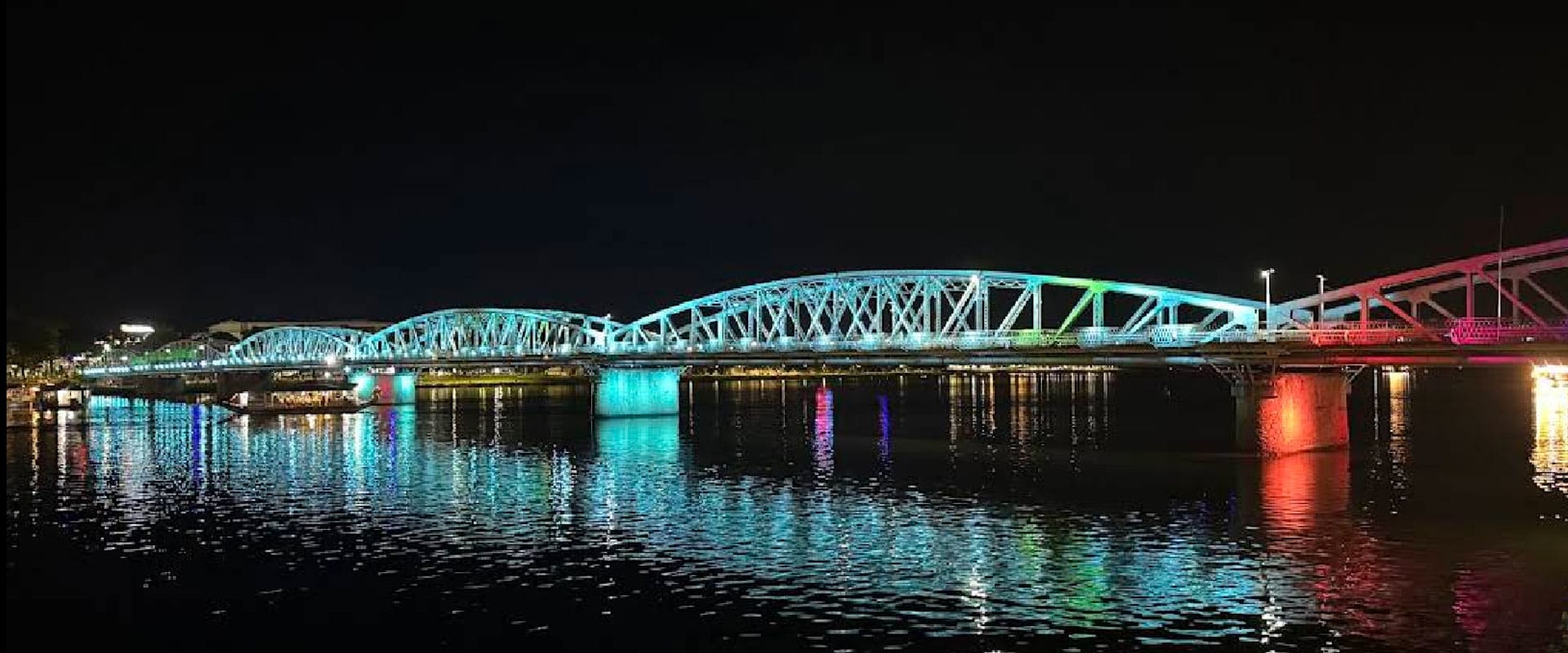
The Perfume River is most useful as orientation and recovery after a full sightseeing day. A walk near the river gives you a low-effort way to process the city without adding another major ticketed site. The illuminated Truong Tien Bridge can be part of that evening, but the point is the sequence: dinner, a comfortable river walk and an easy route back to your accommodation.
Do not build the evening around a tightly timed river activity unless you have verified its operating details that day. Weather and seasonal river conditions can change the experience.
Related Tours
 Half Day
 Full Day
 3.5 Hours
7. Treat Bach Ma as a separate nature day
Bach Ma National Park is a full-day choice, not an extra attraction to attach to central Hue. Travel time, trail conditions, elevation and weather all affect the day. Choose it when forest scenery and walking are a genuine priority, and move the Imperial City and tombs to another day.
Check current access, weather and trail suitability before leaving. Carry water, rain protection and footwear appropriate to the conditions. If visibility or heavy rain undermines the reason for going, keep a city-based heritage plan as your fallback.
8. Add Thuy Xuan only when the craft context matters
Thuy Xuan incense village is frequently photographed for its colourful displays. It is a better stop when you are interested in how incense fits into local religious and household practice, not only in making a quick image. Ask before photographing people, and do not assume a demonstration is included.
Its location can fit naturally into a tomb route. Keep the stop short if it would take time away from the tomb you deliberately chose as your anchor.
Four practical ways to combine Hue attractions
First-time heritage day
- Imperial City while your energy is high.
- Lunch and a proper rest.
- One royal tomb chosen for contrast.
- Dinner and a Perfume River walk.
Slower culture day
- One royal tomb with generous time.
- Thien Mu Pagoda.
- A café or rest break.
- Riverfront evening.
Food and city-life day
- Dong Ba Market with a specific food mission.
- A central-city heritage stop.
- Rest during the hottest or wettest part of the day.
- Dinner and Truong Tien Bridge.
Nature day
- Bach Ma National Park as the sole major anchor.
- Flexible return time based on conditions.
- A simple dinner near your accommodation.
How many days do you need in Hue?
One full day: Imperial City, one contrasting stop and an easy evening. This is enough for a meaningful introduction, not comprehensive coverage.
Two full days: keep the first-time heritage day, then choose either tombs and Thien Mu or a separate nature day. Two days remove the pressure to treat monuments as photo stops.
Three days: add food, markets, smaller city sites or a slower countryside experience. The third day is valuable when you enjoy historical context or need a gentler pace.
For the wider planning decision—where to stay, how Hue fits with other Central Vietnam bases and how many days to allocate—use the Hue destination guide.
For a separate full day focused on Quang Tri war-history sites, compare the DMZ Tour from Hue rather than adding it to a short Imperial City day.
Nearby Attractions


Plan around weather, mobility and usable hours
- Heat: protect the exposed, walking-heavy anchor by scheduling it earlier and resting at midday.
- Rain: shorten transfers, carry protection and avoid treating outdoor viewpoints as guaranteed.
- Mobility: steps, uneven surfaces and large compounds can turn a short distance on a map into a demanding visit.
- Late arrival: count usable hours, not calendar days. A late check-in plus dinner is not a full sightseeing day.
- Children or mixed-energy groups: select one non-negotiable experience, then make the second stop optional.
A strong Hue plan has a clear hierarchy: one anchor you will protect, one contrast you can shorten, and one evening that does not depend on perfect timing.
Frequently asked questions
What should I not miss in Hue?
On a first visit, do not miss the Imperial City. Add one royal tomb or Thien Mu Pagoda for contrast, then use the riverfront or a focused food stop to experience Hue beyond its monuments.
Can I see Hue in one day?
Yes, if you accept a focused introduction. Choose the Imperial City, one additional heritage or city-life stop, and a simple evening. A one-day plan should not include every tomb or a full Bach Ma excursion.
Which Hue royal tomb should I visit?
Choose Khai Dinh for compact decoration and steps, Minh Mang for formal landscape design, Tu Duc for a reflective garden atmosphere, or Gia Long for a quieter landscape-led visit. Pick one that contrasts with the rest of your day.
Is Bach Ma a half-day trip from Hue?
Treat Bach Ma as a full-day nature choice. Travel, conditions and walking make it a poor add-on to an already full central-Hue itinerary.
Are Hue attraction hours and prices fixed?
No. Operating details, ticket arrangements and access conditions can change. Verify current information with the venue or local authorities before travel, especially around holidays and severe weather.
The simplest Hue planning rule
Choose one anchor, one contrast and one easy evening. For most first-time visitors, that means the Imperial City, one tomb or Thien Mu Pagoda, and food or a river walk. That structure leaves enough space to understand Hue instead of merely passing through it.
Practical travel planning and local operations knowledge for Central Vietnam.
About our local teamRelated Travel Guides


Planning a Hue trip?
Tell us your travel dates, destinations and group size. Our local team can help you plan the next practical step.
Plan My Trip