

Northern Vietnam’s karst-and-river landscape, where ancient Hoa Lu, rural life and UNESCO heritage meet.
Ninh Binh
A Great choice for Central VietNam Tour
Share your details and our travel experts will call you back with personalized packages.
We'll call you soon


QUICK FACTS
Overview of Ninh Binh
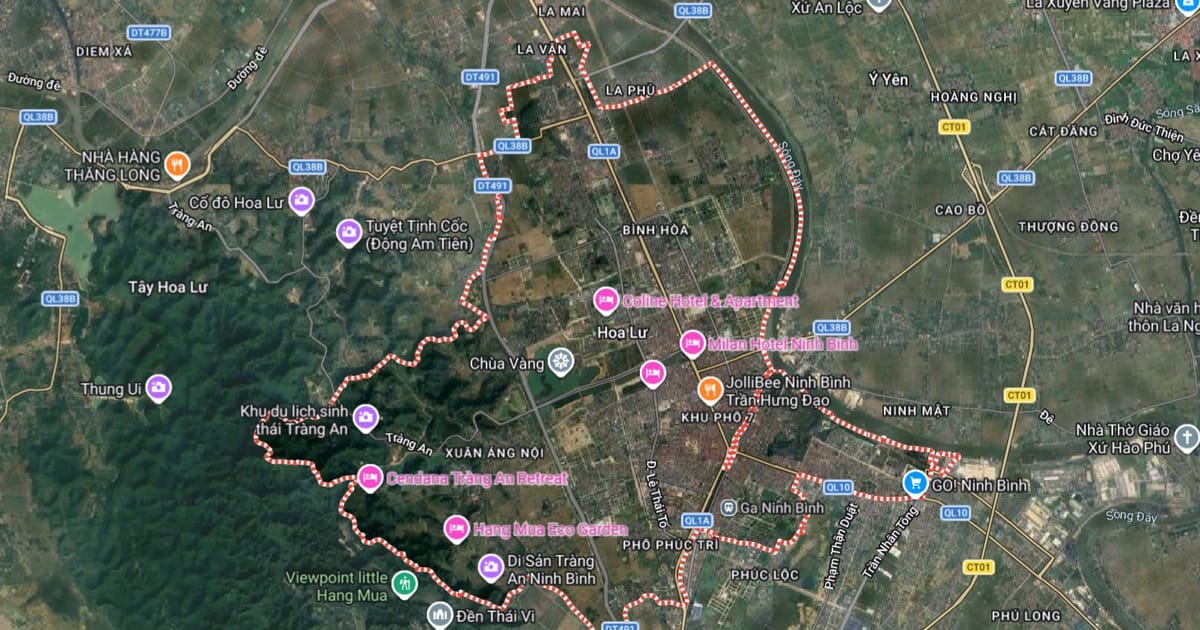
Ninh Binh can be confusing on a map because the administrative name and the tourism destination are not exactly the same thing. Following Vietnam’s 2025 provincial reorganization, the new Ninh Binh Province incorporates the former provinces of Ha Nam, Nam Dinh and Ninh Binh. For travelers, however, “Ninh Binh” still usually means the karst-and-river countryside around Trang An, Hoa Lu and Tam Coc. That distinction is useful when choosing accommodation, planning transport or judging distances inside the destination.
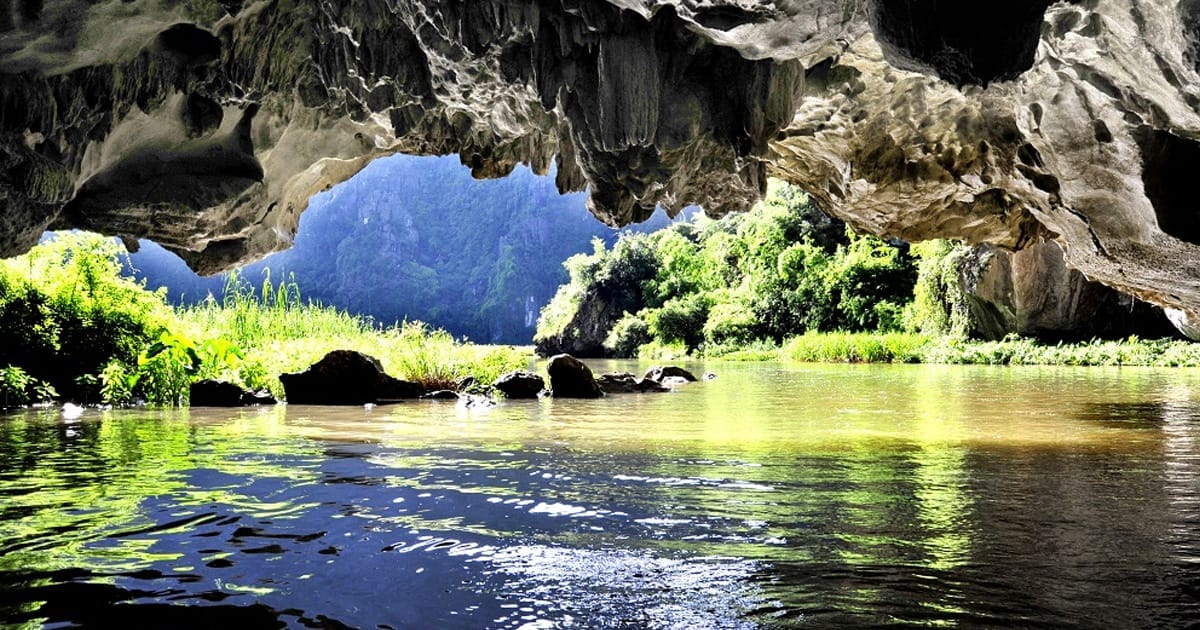
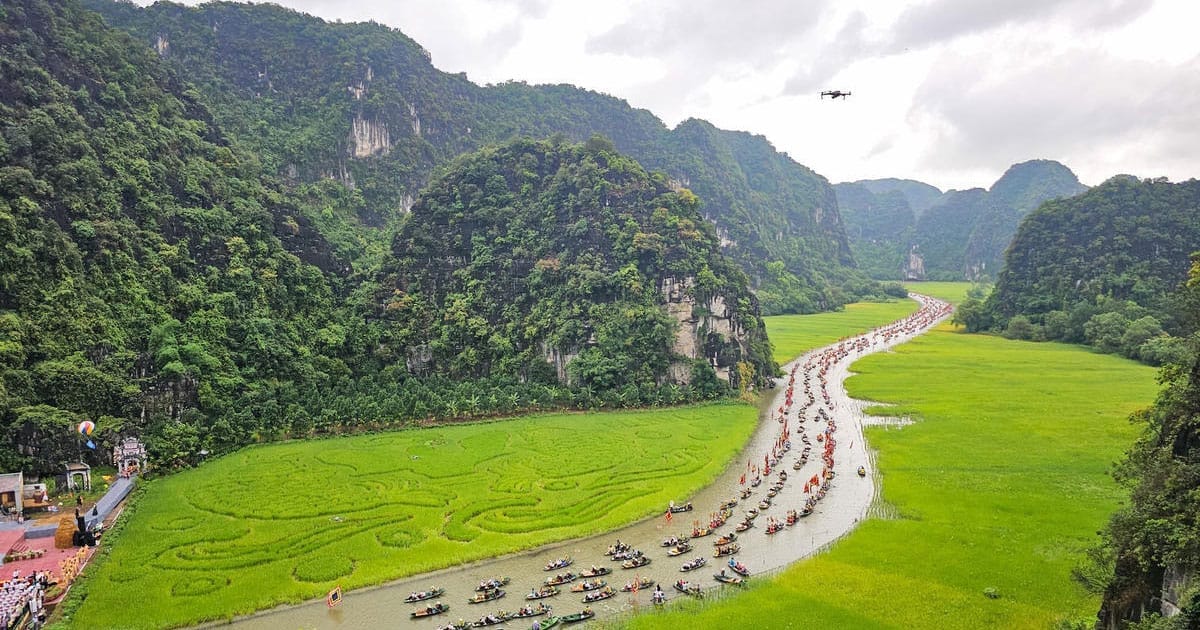
The core travel landscape is unusual because natural and cultural history occupy the same space. The Trang An Landscape Complex contains forest-covered limestone towers, enclosed valleys, waterways and cave systems together with archaeological evidence of long human occupation. Hoa Lu, Vietnam’s ancient capital in the 10th and 11th centuries, was later established within this naturally protected landscape.
For visitors, this creates an experience very different from Hanoi. Ninh Binh is less about urban sightseeing and more about moving slowly through countryside: a boat passing between limestone cliffs, a bicycle route beside rice fields, a temple at the foot of a mountain or a quiet evening after the main day-trip traffic has returned north.
This is also why Ninh Binh deserves to be treated as a destination rather than only a Hanoi excursion. One day can cover a selective introduction; staying overnight lets the landscape become part of the trip instead of merely the background for several attraction stops.
Why Ninh Binh Stands Out
- A landscape where nature and history are inseparable: limestone karsts, cave waterways, ancient settlement evidence and Hoa Lu’s political history belong to the same geographical system.
- Mixed cultural and natural heritage: Trang An is recognized for both its tower-karst geology and its long record of human adaptation to the landscape.
- Water defines the visitor experience: small-boat journeys provide access to river valleys, caves and landscapes that cannot be understood from roads alone.
- Rural movement matters as much as individual attractions: cycling, quiet lanes, rice fields and village landscapes create much of Ninh Binh’s character between formal sightseeing stops.
- Ancient capital identity adds historical depth: Hoa Lu links the landscape with the formative political history of Vietnam before the national capital moved to Thang Long.
- A natural slow-travel extension from Hanoi: Ninh Binh exchanges the density of the capital for waterways, farmland, limestone mountains and a much more dispersed visitor environment.
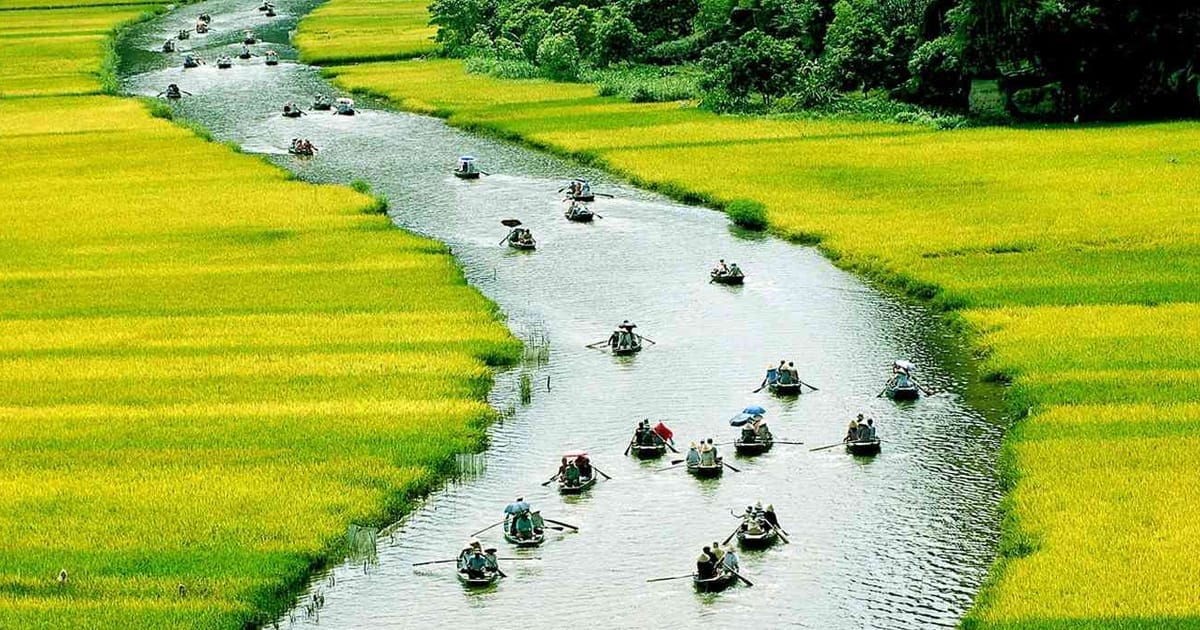
What does “Ninh Binh” actually mean for travelers?
This is the first planning question worth answering because the name is used in several ways. Ninh Binh is now the name of a much larger province after the 2025 administrative merger, but the internationally recognized tourism destination remains concentrated in the limestone countryside historically associated with Trang An, Hoa Lu and Tam Coc.
That means accommodation should not be chosen simply because an address says “Ninh Binh.” The more useful question is how close you want to be to the countryside, boat landscapes and the areas you expect to explore.
How long should you stay in Ninh Binh?
One day is possible but selective. Ninh Binh is close enough to Hanoi to support day trips, and this works for travelers with a tight Vietnam itinerary. The compromise is that much of the day becomes structured around arrival, one or two major experiences and the return journey.
Two days is the stronger starting point for most first-time visitors. An overnight stay gives enough time to experience different parts of the landscape without stacking every boat ride, viewpoint, historic site and transfer into one long day.
Three days suits travelers who want a slower rural stay. The extra value comes from cycling, longer nature time, quieter mornings and evenings or extending beyond the central heritage zone rather than simply collecting more attractions.
This Hub intentionally stops at the duration decision. Detailed morning-by-morning or day-by-day sequencing should belong in dedicated itinerary content.
Understand Ninh Binh as several connected landscape zones
Ninh Binh becomes much easier to plan when you think in landscape zones rather than a list of attraction pins.
The Trang An–Hoa Lu area forms the main heritage core. Here, limestone massifs, waterways, caves and ancient political history overlap. Trang An represents the most complete expression of the heritage landscape, while Hoa Lu explains why the natural geography also became strategically important in Vietnam’s early state history.
Tam Coc and its surrounding countryside form the most established visitor base. This zone combines accommodation, restaurants and easy access to rural lanes, rice landscapes and cycling. It feels less like a city base and more like staying directly inside the scenery travelers have come to see.
The wider nature zone extends beyond the central heritage landscape. Wetlands, forest and national-park environments add another side of Ninh Binh for travelers with more time. These areas are useful as extensions, but they should not turn the parent Destination Hub into a giant attraction catalogue.
The key planning principle is simple: stay close to the landscape you want to experience, then use road transport to move between larger zones rather than assuming every part of Ninh Binh is clustered around one center.
If you prefer a steep limestone viewpoint climb above Tam Coc to another boat ride, read the Mua Cave viewpoint guide.
For the sprawling temple complex and its separate ancient pagoda, use our Bai Dinh Pagoda guide to plan your time.
Where should first-time visitors base themselves?
Tam Coc is the easiest all-round base for many first-time international visitors. Accommodation, food and traveler services are concentrated enough to make evenings simple, while bicycles can take you quickly into surrounding rural scenery. This makes it especially convenient for travelers arriving without their own vehicle.
The Trang An–Hoa Lu countryside suits travelers who want a quieter heritage setting. Staying closer to this side of the landscape can reduce transfer time to the central heritage zone and feels more removed from the busier tourism activity around Tam Coc. The trade-off is fewer concentrated evening services.
More isolated nature lodges and rural stays make sense when silence, scenery or a longer retreat matters more than convenience. They can work especially well for couples or slow travelers but usually increase dependence on a driver, taxi or motorbike.
There is no need for the Destination Hub to rank individual hotels. The useful decision is whether the traveler values convenience, heritage proximity or rural seclusion.
How should you move around Ninh Binh?
Ninh Binh is not a destination where one transport mode solves everything. The best approach changes with the landscape.
Use bicycles for the countryside immediately around your base. Flat rural roads near Tam Coc are particularly well suited to cycling, allowing rice fields, villages and limestone cliffs to become part of the journey rather than scenery viewed through a vehicle window.
Use taxis, private vehicles or motorbikes for larger moves between zones. This is more efficient when shifting between Tam Coc, Trang An, Hoa Lu or farther nature areas.
Boat travel is an experience, not a general transport system. The sampan routes are important because waterways enter caves and enclosed valleys that roads cannot reach, but they should be planned as substantial experiences in their own right rather than as a way to move across the whole destination.
For travelers who dislike scooters, Ninh Binh remains straightforward: combine a walkable or cycle-friendly base with arranged road transport for the larger geographic jumps.
Why staying overnight changes the experience
A Hanoi day trip can show why Ninh Binh is famous. An overnight stay explains why people enjoy being there.
During the main sightseeing hours, the best-known areas receive visitors arriving from Hanoi. Before and after that window, the destination becomes noticeably more rural. Roads are quieter, cyclists replace tour vehicles, and the landscape is experienced less as a sequence of stops.
This difference matters because Ninh Binh’s strongest quality is not one monument or one boat route. It is the relationship between limestone, water, agriculture and human settlement. That relationship is easier to notice when the schedule includes unstructured time.
Who will enjoy Ninh Binh most?
Ninh Binh works especially well for travelers interested in landscapes, photography, cycling, history and experiences that combine activity with a slower rural environment.
It is also a strong choice for couples and families who want a break from large-city travel. Boat journeys do not require technical outdoor skills, and many countryside routes can be experienced at a relaxed pace.
Travelers who want nightlife, shopping or a dense restaurant scene may find the evenings quiet compared with Hanoi. That is not a weakness so much as the main trade-off: Ninh Binh works because the rural landscape remains central to the experience.
Some individual sites involve stairs, heat or extended time in small boats. Those physical details should be handled by the relevant Attraction pages so visitors can choose experiences according to mobility and comfort.
Ninh Binh in a Northern Vietnam journey
Hanoi is the natural gateway to Ninh Binh. Road and rail connections make Ninh Binh one of the easiest rural landscape additions to a Hanoi stay.
The contrast is useful: Hanoi provides dense urban culture, food, museums and historic neighborhoods; Ninh Binh provides open countryside, water, limestone landscapes and a much quieter pace.
Ninh Binh can also function as the southern end of a Northern Vietnam itinerary before a traveler continues farther down the country by rail or road. This gives the destination a different role from Ha Long or Sa Pa: it is not simply another excursion from Hanoi, but a logical transition between Northern Vietnam and the north–south journey.
The Hub only needs to establish that relationship. Exact transfers, timetables and multi-destination sequencing should remain with Transfer and itinerary content.
Weather in Ninh Binh
Ninh Binh has the seasonal pattern typical of Northern Vietnam, with cooler periods, hot humid summers and a rainy season that affects outdoor comfort. For most travelers, the practical issue is not whether the destination is open, but how much heat or rain will affect cycling, viewpoints and time outdoors.
March to May and September to November are particularly comfortable periods for many visitors. July and August are hotter and can bring sudden rain or storms.
The landscape also changes visibly with agriculture. Rice fields can shift from vivid green to gold, so photography conditions depend not only on weather but also on the farming season.
This should remain a Destination-level overview. Detailed monthly conditions and harvest-season planning belong in dedicated seasonal content.
Nearby Attractions


Best Time to Visit Ninh Binh
March to May and September to November provide the easiest overall conditions for many first-time visitors. They are generally more comfortable for cycling, walking and spending long periods outdoors than the hottest part of summer.
Travelers focused on rice-field scenery may value seasonal agricultural changes differently. Late spring and early summer can bring golden rice around parts of the Tam Coc landscape, while autumn can also offer harvest scenery.
Summer remains viable, but heat, humidity and sudden rain make flexible outdoor planning more important.
The best period ultimately depends on whether the priority is comfortable sightseeing, green landscapes, golden rice, photography or fewer scheduling constraints. A dedicated Ninh Binh seasonal guide should own the detailed month-by-month comparison.
Culture and Heritage
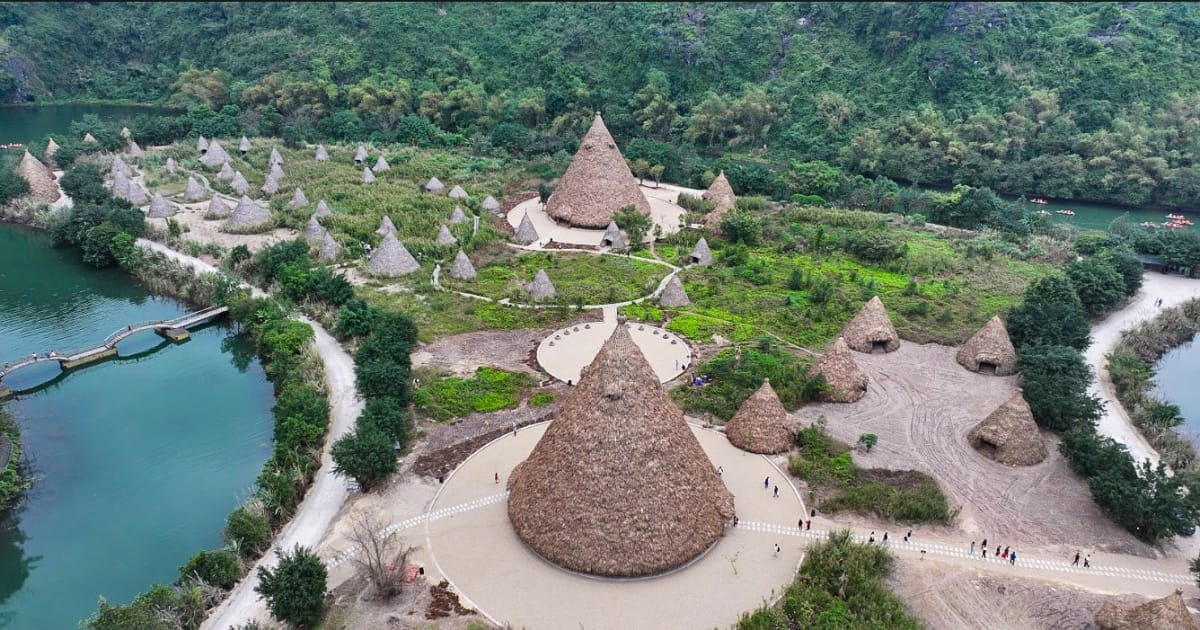
Ninh Binh’s cultural identity is unusually tied to its geography. Limestone massifs, enclosed valleys and waterways did more than create scenery: they provided natural protection for Hoa Lu, which became Vietnam’s capital in the 10th and 11th centuries before political power later shifted to Thang Long, present-day Hanoi.
The historical story reaches much farther back. Archaeological evidence within the Trang An caves records long human occupation and adaptation to environmental change, giving the landscape a cultural depth that extends far beyond the medieval capital.
Buddhist temples and pagodas form another visible layer, while farming villages and rice cultivation continue to shape the human landscape around the karsts. The boats used by visitors are also part of local working knowledge of the waterways rather than simply decorative tourism props.
This combination of geology, ancient political history, religion and rural life is the strongest cultural framing for the Destination Hub. Individual temples, archaeological sites and monuments should remain child entities.
Food in Ninh Binh
Ninh Binh’s best-known food identity is built around mountain goat and crispy rice. Both are strongly associated with the destination and provide a clear regional contrast with Hanoi’s urban food culture.
Goat is prepared in several styles, while crispy rice provides a contrasting texture and can be eaten as a snack or with savory dishes.
For travelers, the useful Hub-level advice is to give at least one proper local meal space in the itinerary rather than treating food only as fuel between boat rides and heritage visits.
Detailed restaurant rankings, menus and a full list of regional specialties belong in dedicated food content rather than turning this page into a dining guide.

How to Get to Ninh Binh
Hanoi is the main gateway for most international visitors. Buses, tourist vans, private road transfers and trains connect the capital with the Ninh Binh area.
Where you are dropped off matters because the tourism landscape is dispersed. Travelers staying around Tam Coc may prefer transport that continues directly to that area rather than treating the urban center as the final destination.
Once based in Ninh Binh, combine cycling or walking for nearby countryside with taxis, arranged cars or motorbikes for movement between larger zones.
Travelers continuing south can also use Ninh Binh as part of the wider road or railway corridor rather than automatically returning to Hanoi first.
Practical Tips for Visiting Ninh Binh
- Do not choose accommodation from the province name alone. First decide whether you want Tam Coc convenience, Trang An–Hoa Lu heritage proximity or a quieter rural stay.
- Stay overnight if the itinerary allows it. A day trip shows the highlights; an overnight stay gives access to the quieter rural rhythm that defines the destination.
- Do not assume every boat experience needs to be repeated. Choose according to landscape, time and travel style, then leave room for cycling, history or nature instead of building the whole stay around boat docks.
- Use bicycles locally and motorized transport between zones. This preserves energy while keeping the countryside itself part of the experience.
- Protect yourself from sun and rain. Boat journeys and countryside cycling can leave travelers exposed for longer than expected.
- Keep large bags at your accommodation during sightseeing. Small boats, bicycles and rural transfers are easier with only what you need for the day.
- Plan your onward route before the last night. Travelers heading farther south may not need to return to Hanoi before continuing their Vietnam journey.
Why Travel With Us?
Tailored to You: Custom itineraries matching your exact pace and passions.
Go Local: Authentic experiences guided by native experts.
Zero Stress: We handle all logistics—transport, tickets, and stays.
24/7 Support: Round-the-clock local assistance, whenever you need it.
Exceptional Value: Premium quality at fair, transparent prices.
You may also like

A hundred years from now, no one in this world will remember you or me. We only come to this world once — to leave our footprints on new lands and to etch every moment deep into our memory.
Live for the experience. Start your journey today — book your tour and make memories that last a lifetime!
View Our Business & Travel Licenses
Book your holidayGallery
FAQ
Q: Is Ninh Binh worth visiting?
Q: Is Ninh Binh a city or a province?
Q: How many days should I spend in Ninh Binh?
Q: Where should I stay in Ninh Binh?
Q: Is Trang An the same as Ninh Binh?
Q: Should I choose Trang An or Tam Coc?
Q: What is the best time to visit Ninh Binh?
Q: How do I get to Ninh Binh from Hanoi?

Phong Nha–Ke Bang Named Asia’s Leading National Park 2026
Phong Nha–Ke Bang won Asia’s Leading National Park 2026 and Vietnam’s Leading Nature Destination 2026. [...]
Sep

Hue to Dong Hoi by Train: Schedules, Tickets & Phong Nha Connection
Choose the right Hue–Dong Hoi train by arrival window, seat or berth, luggage, HQ2 vs [...]
Sep

Da Nang to Phong Nha: Bus, Train, Private Car & Best Route
Compare direct buses, train via Dong Hoi, private cars and Da Nang Airport connections by [...]
Sep

Hue to Phong Nha: Bus, Train, Private Car & Best Way to Travel
Compare direct buses, Hue Northern Bus Station coaches, the HQ1/HQ2 heritage train, Grab and private [...]
Sep

Da Nang vs Hue: Which City Should You Stay In?
Compare Da Nang and Hue by trip anchor, daily pace, usable nights and transfer friction [...]
Sep

Hoi An Lantern Festival Guide: 2026 Dates & Evening Plan
Plan Hoi An's monthly Lantern Festival around the 14th lunar night, verified 2026 dates, an [...]
Sep

Hoi An Tailor Guide: What to Make, Fittings & Buying Tips
Learn how to get clothes made in Hoi An: choose a tailor, compare fabrics and [...]
Sep

Where to Stay in Hue: Best Areas by Trip Style
Compare the best areas to stay in Hue, from the central south bank and Citadel [...]
Sep