
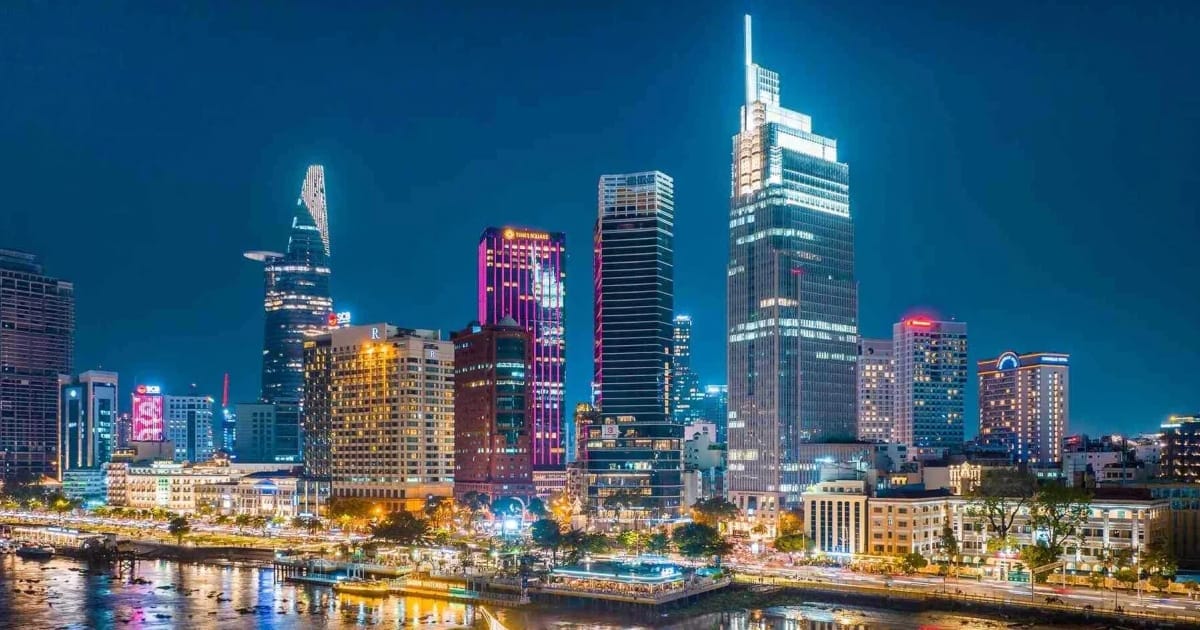
Vietnam’s southern metropolis, with a historic Saigon core shaped by commerce, street life, layered history and distinctive food culture.
Ho Chi Minh City
A Great choice for Central VietNam Tour
Share your details and our travel experts will call you back with personalized packages.
We'll call you soon


QUICK FACTS
Ho Chi Minh City and Saigon Today
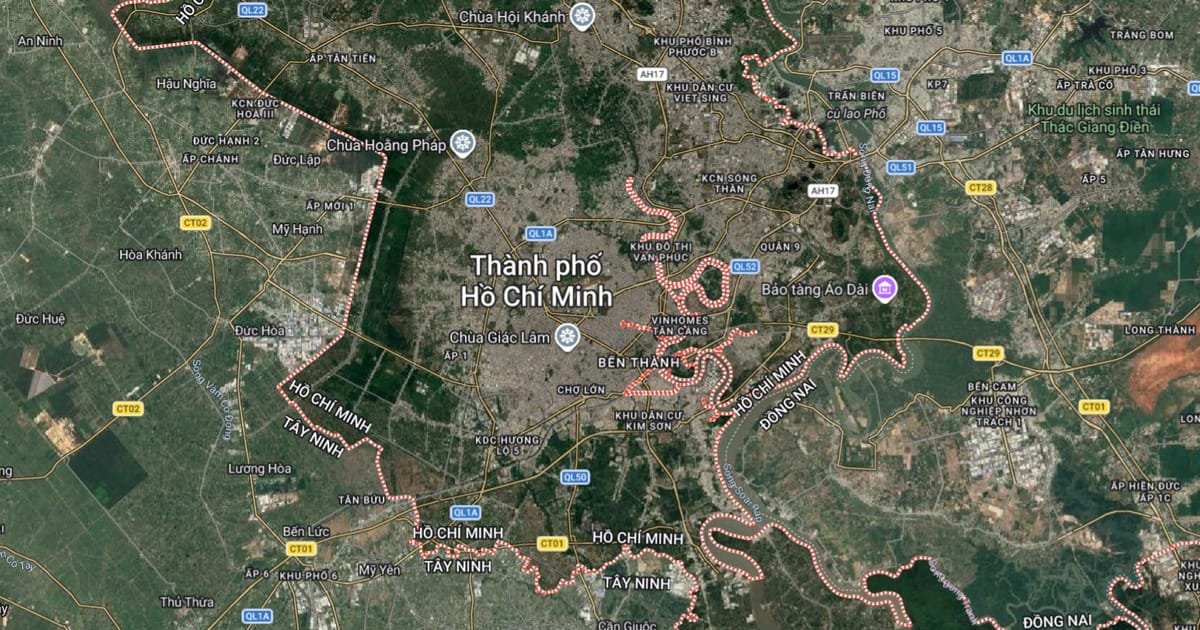
Ho Chi Minh City now describes a much larger administrative territory than the urban destination most international travelers have traditionally called Saigon. From 1 July 2025, the municipality expanded to include the former Bình Dương and Bà Rịa–Vũng Tàu areas. For travel planning, however, searches for “Ho Chi Minh City” or “Saigon” still usually focus on the historic metropolitan core rather than the entire enlarged municipality.
This guide therefore concentrates on the traditional visitor geography: Ben Thanh, Nguyen Hue and Dong Khoi in the central core; Cholon to the west; nearby inner-city neighborhoods; and the eastern riverside around the Thao Dien area. The wider post-2025 municipality matters for administrative accuracy, but it should not force a first-time city guide to treat former Bình Dương or the former Bà Rịa–Vũng Tàu area as extensions of a normal Saigon sightseeing day.
The name “Saigon” remains widely used in everyday speech, hospitality, food culture and international travel, especially when referring to the older urban core and its historical identity. For visitors, Saigon and Ho Chi Minh City are not competing destinations; they are different naming layers of the same central urban travel experience.
The city rewards travelers who allow time for ordinary urban life between formal sights. A morning coffee, a market street, a bowl of noodles, a short ride across town and an evening on a busy commercial street can reveal as much about the destination as a checklist of monuments.
The main planning decision is how centrally you want to stay and how far beyond the traditional Saigon core you want to explore. Once that is clear, the city’s scale, traffic and heat become much easier to manage.
What Defines Ho Chi Minh City
- A historic Saigon core inside a much larger modern municipality: the administrative city expanded significantly in 2025, while most first-time visitor activity remains concentrated in the traditional metropolitan center.
- A city built around movement and commerce: markets, street businesses, cafés, offices, motorbike traffic and late-opening food streets give the central city its constant sense of activity.
- Several historical layers occupy the same urban landscape: Vietnamese, Chinese-Vietnamese, French colonial, wartime and postwar histories remain visible in architecture, institutions and neighborhoods.
- Food is part of the destination’s identity: southern flavors, street meals, coffee culture and migrant cuisines make eating a central part of the travel experience rather than a break between attractions.
- Cholon adds a distinct cultural layer: the long-established Chinese-Vietnamese commercial area has its own markets, temples, food traditions and street rhythm.
- The city works best by neighborhoods: walking is rewarding within selected areas, while larger cross-city moves are better handled by road transport or Metro Line 1 where its route is useful.
- A major gateway to Southern Vietnam: the central city remains a practical organizing point for journeys toward the Mekong Delta and other southern destinations.
What does Ho Chi Minh City mean for travelers after 2025?
The administrative map changed significantly in 2025, but the visitor geography did not suddenly expand to match it. The current Ho Chi Minh City municipality includes the former Bình Dương and Bà Rịa–Vũng Tàu areas, creating an administrative entity far larger than the traditional Saigon metropolitan core.
For most international visitors, the useful travel focus remains the historic urban area centered on Ben Thanh, Nguyen Hue and Dong Khoi, with Cholon, nearby inner neighborhoods and the eastern riverside providing important contrasts. This is the area where a normal first-time Ho Chi Minh City stay is usually organized.
That distinction prevents a common planning mistake: treating every place carrying a Ho Chi Minh City address after the merger as if it belongs in the same urban sightseeing zone. For a short city stay, choose experiences by actual neighborhood and travel time rather than by the administrative city name alone.
The older labels District 1 and District 3 are still widely used by travelers, hotels, maps and older guide material as geographic shorthand. Since the two-tier local-government model began on 1 July 2025, they should be understood as legacy travel-area terminology rather than the current administrative hierarchy.
How long should you stay in Ho Chi Minh City?
Two days can work as a fast introduction. It is enough to understand the central core, experience some of the city’s food culture and select a small number of major historical or cultural sites. The limitation is pace: traffic, heat and cross-city movement can make a tightly packed schedule more tiring than it appears on a map.
Three days is the strongest starting point for most first-time visitors. It allows one day focused on the central city, another for a different neighborhood or historical layer, and enough flexibility for food, coffee and evening street life without turning every hour into a transfer.
Four days or more suits travelers who enjoy cities. Extra time becomes valuable for neighborhood exploration, museums, markets, food experiences or a slower pace before continuing to another part of Southern Vietnam.
The useful goal is not to “finish” Ho Chi Minh City. The city becomes more rewarding when extra time is used to reduce rushing rather than simply adding more stops.
For museum-based twentieth-century history, see the War Remnants Museum visitor guide before choosing your time and pace.
Where should first-time visitors base themselves?
The Ben Thanh–Nguyen Hue–Dong Khoi area is the simplest first base. It keeps a large amount of food, nightlife, shopping and central sightseeing within a manageable radius and makes short visits easier to organize.
The trade-off is intensity. Central streets can be busy late into the evening, hotel prices can be higher, and the most tourism-focused blocks may feel less residential than other parts of the city.
The area historically known as District 3 can suit travelers who want to remain close to the center while experiencing more tree-lined streets, cafés and residential life. The familiar District 3 name remains useful as travel shorthand even though it is no longer a current district-level administrative unit.
The Thao Dien area and the eastern riverside appeal more to longer-stay travelers who prefer international dining, larger residential spaces and a less compressed environment. The trade-off is greater dependence on transport when most sightseeing plans remain in the historic center.
For a short first visit, choose according to what you want after sightseeing ends: immediate street life, a calmer inner-city neighborhood or a more spacious eastern base.
For another kind of modern-history visit in central Ho Chi Minh City, see the Independence Palace guide.
How to Move Around Ho Chi Minh City
Ho Chi Minh City is highly walkable in small pieces and inefficient to cross entirely on foot. The best approach is walk within one zone, use transport between zones, then start walking again.
Central streets around Nguyen Hue, Dong Khoi and Ben Thanh can be explored on foot, but heat, traffic and interrupted sidewalks increase effort. A distance that looks short on a map can feel much longer in midday conditions.
Metro Line 1, the Ben Thanh–Suoi Tien line, has operated since December 2024 and provides a useful public-transport option for movements between the central area and parts of the eastern city when the route matches your plans. It complements rather than replaces taxis, ride-hailing and buses because many visitor neighborhoods still sit away from the metro corridor.
Taxis and app-based ride services remain practical for cross-city trips. Motorbike taxis can be efficient for solo travelers, but families, groups and visitors uncomfortable in dense traffic can organize the same city stay successfully with cars, walking, buses and the metro.
Heat and traffic should shape your daily pacing
Ho Chi Minh City is a place where the quality of the itinerary depends heavily on pacing. Midday heat and humidity can make long outdoor walks tiring, while rush-hour traffic can turn repeated cross-city transfers into the least enjoyable part of the day.
A stronger strategy is to group nearby experiences and use cafés, markets, museums or lunch as natural breaks during the hottest hours. This creates a more realistic rhythm than scheduling a landmark in a different part of the city every hour.
Evening is an important part of the city experience. Temperatures ease, food streets become busier and commercial areas remain active well after formal attractions close. Saving energy for the evening often produces a better first impression than trying to complete everything before sunset.
Cholon shows a different side of the city
The area historically known as Cholon developed as a major Chinese-Vietnamese commercial center and remains one of the clearest examples of Ho Chi Minh City’s cultural diversity.
Markets, temples, herbal shops, food businesses and dense commercial streets create an atmosphere different from the hotel-and-office core around Nguyen Hue and Dong Khoi.
Cholon is most useful when approached as a neighborhood and cultural landscape rather than a single attraction. Give the area enough time to understand its streets and commercial life instead of arriving only for one photograph and leaving immediately.
Food and coffee deserve their own time
Ho Chi Minh City is one of the easiest destinations in Vietnam to organize around meals. Street stalls, neighborhood restaurants, markets, cafés and modern dining all sit within the same food ecosystem.
The city is associated with dishes such as cơm tấm, bánh mì, hủ tiếu and a wide range of southern Vietnamese preparations, but the deeper value is variety. People from across Vietnam have settled in the city, so regional cuisines exist alongside local southern food.
Coffee also functions as social space rather than simply a drink. Traditional street cafés, older shop-house cafés and contemporary specialty coffee all provide different windows into how residents use the city.
For a first visit, leave at least some meals unplanned. The ability to stop when a market, street or café looks interesting is part of the experience.
For a central market visit focused on shopping, food and timing, read the Ben Thanh Market guide.
Who will enjoy Ho Chi Minh City most?
The city is especially rewarding for travelers interested in food, modern Asian cities, history, cafés, photography and street-level culture. It suits people who enjoy energy and variety more than quiet monument-focused sightseeing.
First-time visitors to Vietnam often find Ho Chi Minh City easier to use as a gateway than expected because accommodation, transport and dining options are extensive. The main adjustment is learning to organize movement by neighborhood rather than distance alone.
Travelers seeking beaches, mountain scenery or a slower heritage-town atmosphere may prefer to keep the city stay shorter and use it as the southern urban anchor before continuing elsewhere.
Families and senior travelers can enjoy the city well when outdoor walking is broken into shorter sections and vehicle transfers are used strategically.
Ho Chi Minh City in a Southern Vietnam journey
The Mekong Delta is the most natural regional extension. Ho Chi Minh City provides the major urban contrast before the trip shifts toward rivers, agricultural landscapes, smaller cities and rural communities farther southwest.
Cu Chi adds a different historical and suburban layer without replacing the city experience. It works best as a separate excursion rather than being squeezed into the same day as several central neighborhoods.
For travelers moving through Vietnam from north to south, Ho Chi Minh City also works as a strong final major-city stop because international and domestic connections make onward travel straightforward.
The city should therefore be treated as both a destination and a gateway: give it enough time to develop its own identity before using it as the departure point for the next region.
Weather in Ho Chi Minh City
Ho Chi Minh City is warm throughout the year, so the main seasonal difference for travelers is usually rainfall rather than cold weather.
The drier period generally falls from December to April and is often the simplest time for long walking days and outdoor sightseeing. The wetter months bring more frequent rain, but showers do not automatically make the city unsuitable for travel.
Heat and humidity matter in every season. Midday outdoor plans can become tiring even when skies are clear, so a realistic city day should include indoor breaks, cafés or longer lunches.
During wetter periods, keep short transport alternatives available rather than assuming every neighborhood can be explored on foot regardless of conditions.
Nearby Attractions


Best Time to Visit Ho Chi Minh City
December to April is the easiest broad period for many first-time visitors because rainfall is generally lower and outdoor plans are simpler to organize.
The wetter season can still work well for city travel. Rain often changes the rhythm of the day rather than ending it completely, and Ho Chi Minh City has enough cafés, restaurants, markets and indoor cultural spaces to remain flexible.
Travelers who dislike heat should not expect a truly cool season. Early starts, shaded routes and a slower midday pace are useful throughout the year.
The best period therefore depends less on temperature and more on your tolerance for rain, humidity and flexible planning.
Saigon Identity and Urban Culture
Ho Chi Minh City’s culture comes from movement, migration and exchange. The city has long drawn people from across southern Vietnam and the wider country, creating an urban identity that is commercially energetic and culturally mixed.
The historic name Saigon remains part of that identity. It appears in everyday conversation, food businesses, cultural references and descriptions of the older city, even though Ho Chi Minh City is the official name.
Several historical layers remain visible at once: older Vietnamese communities, Chinese-Vietnamese Cholon, French colonial-era architecture, wartime memory and rapid postwar urban development all occupy the modern city.
Visitors get the clearest sense of this culture by combining formal historical sites with ordinary city life: markets, cafés, neighborhood streets, food businesses and evening public spaces.
Food in Ho Chi Minh City
Food is one of Ho Chi Minh City’s strongest destination identities. Southern Vietnamese flavors sit alongside dishes brought by communities from every part of the country, creating a dining scene that ranges from pavement stools to modern restaurants.
Cơm tấm is closely associated with everyday Saigon dining, while bánh mì and hủ tiếu are widely available in many local variations. Markets and neighborhood streets are often more useful for understanding how residents actually eat than relying only on famous restaurants.
Coffee is equally important. From simple iced coffee at street-side tables to contemporary specialty cafés, the city uses coffee shops as places to meet, work, rest and watch urban life.
For a first visit, leave room for spontaneous food decisions and choose places by neighborhood, meal style and local activity rather than trying to complete a fixed list of famous venues.

How to Get to Ho Chi Minh City
Tan Son Nhat International Airport is the main air gateway for most international and domestic visitors arriving in Ho Chi Minh City.
The city is also connected with the rest of Vietnam by long-distance rail and road services, making it a common start or end point for north–south journeys.
After arrival, the most important planning detail is your accommodation zone. A central hotel can reduce daily cross-city travel, while a more residential base may provide a calmer stay but require more transport.
For onward travel, Ho Chi Minh City functions as the major organizing point for journeys into the Mekong Delta and other destinations across Southern Vietnam.
Practical Tips for Visiting Ho Chi Minh City
- Plan by neighborhood, not by the enlarged city boundary. Most first-time sightseeing still happens in the traditional Saigon metropolitan core.
- Use the central core as your first orientation point. Ben Thanh, Nguyen Hue and Dong Khoi make the city easier to understand before you explore farther out.
- Treat District 1 and District 3 as legacy travel labels. They remain useful for orientation but are no longer the current district-level administrative structure.
- Walk in sections and use transport between sections. The city is too large and too hot to treat as one continuous pedestrian zone.
- Use Metro Line 1 when its corridor matches your route. The Ben Thanh–Suoi Tien line is useful for some central-to-eastern journeys but does not cover every visitor neighborhood.
- Protect the middle of the day from overplanning. Heat and humidity can make an apparently easy walking schedule unnecessarily tiring.
- Leave space for meals and coffee. Food culture is part of the destination experience, not downtime between landmarks.
- Cross streets predictably. Watch traffic carefully, move steadily and avoid sudden direction changes when crossing busy roads.
Why Travel With Us?
Tailored to You: Custom itineraries matching your exact pace and passions.
Go Local: Authentic experiences guided by native experts.
Zero Stress: We handle all logistics—transport, tickets, and stays.
24/7 Support: Round-the-clock local assistance, whenever you need it.
Exceptional Value: Premium quality at fair, transparent prices.
You may also like

A hundred years from now, no one in this world will remember you or me. We only come to this world once — to leave our footprints on new lands and to etch every moment deep into our memory.
Live for the experience. Start your journey today — book your tour and make memories that last a lifetime!
View Our Business & Travel Licenses
Book your holidayGallery
FAQ
Q: Is Ho Chi Minh City worth visiting?
Q: Is Saigon the same as Ho Chi Minh City?
Q: Does this guide cover the entire post-2025 Ho Chi Minh City municipality?
Q: How many days should I spend in Ho Chi Minh City?
Q: Where should a first-time visitor stay?
Q: Are District 1 and District 3 still useful names for travelers?
Q: Is Ho Chi Minh City walkable?
Q: What is the best time to visit Ho Chi Minh City?
Q: Is Ho Chi Minh City a good base for the Mekong Delta?

Phong Nha–Ke Bang Named Asia’s Leading National Park 2026
Phong Nha–Ke Bang won Asia’s Leading National Park 2026 and Vietnam’s Leading Nature Destination 2026. [...]
Sep

Hue to Dong Hoi by Train: Schedules, Tickets & Phong Nha Connection
Choose the right Hue–Dong Hoi train by arrival window, seat or berth, luggage, HQ2 vs [...]
Sep

Da Nang to Phong Nha: Bus, Train, Private Car & Best Route
Compare direct buses, train via Dong Hoi, private cars and Da Nang Airport connections by [...]
Sep

Hue to Phong Nha: Bus, Train, Private Car & Best Way to Travel
Compare direct buses, Hue Northern Bus Station coaches, the HQ1/HQ2 heritage train, Grab and private [...]
Sep

Da Nang vs Hue: Which City Should You Stay In?
Compare Da Nang and Hue by trip anchor, daily pace, usable nights and transfer friction [...]
Sep

Hoi An Lantern Festival Guide: 2026 Dates & Evening Plan
Plan Hoi An's monthly Lantern Festival around the 14th lunar night, verified 2026 dates, an [...]
Sep

Hoi An Tailor Guide: What to Make, Fittings & Buying Tips
Learn how to get clothes made in Hoi An: choose a tailor, compare fabrics and [...]
Sep

Where to Stay in Hue: Best Areas by Trip Style
Compare the best areas to stay in Hue, from the central south bank and Citadel [...]
Sep