

Vietnam’s historic capital, shaped by old neighborhoods, lakes, food culture and the daily rhythm of a modern Asian city.
Ha Noi
A Great choice for Central VietNam Tour
Share your details and our travel experts will call you back with personalized packages.
We'll call you soon


QUICK FACTS
Overview
Hanoi is best understood as a living capital rather than a collection of famous sights. The historic center around Hoan Kiem Lake and the Old Quarter is dense, busy and highly rewarding on foot. Shopfronts open onto narrow streets, food is prepared close to the pavement, cafés occupy old buildings and small religious sites appear between commercial blocks.
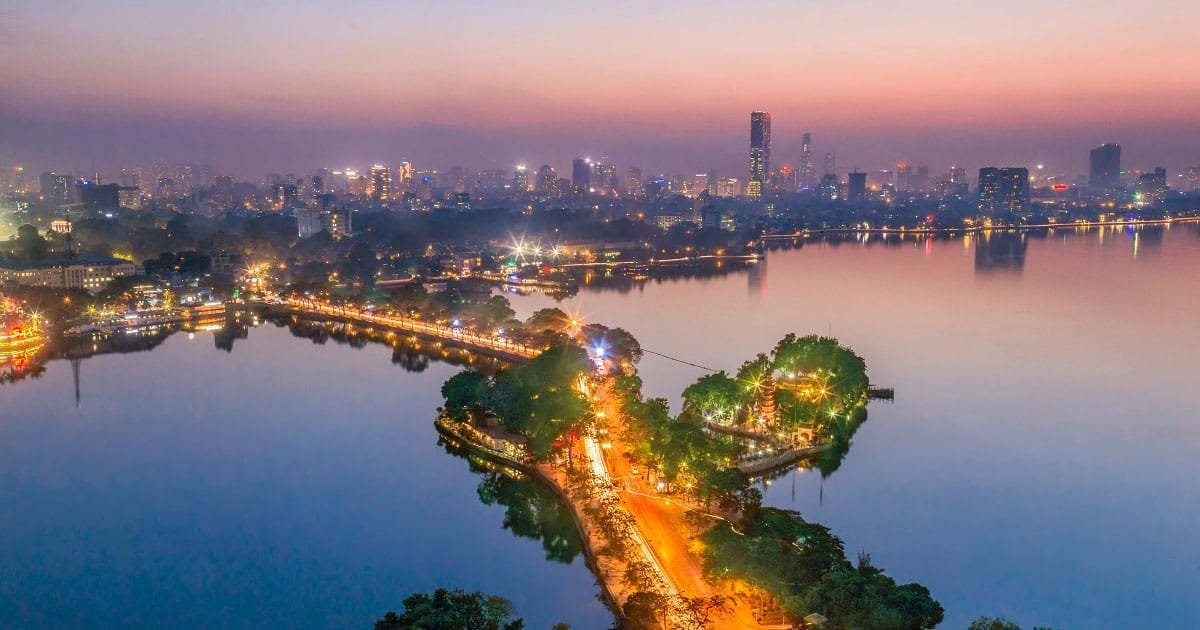
That historic core is only one layer of Hanoi. Ba Dinh carries much of the political and imperial story of the capital; the French Quarter brings wider streets and a different architectural scale; West Lake opens the city into a more spacious lakeside environment; and modern Hanoi continues far beyond the areas most visitors initially see. The result is a city where centuries of history coexist with contemporary cafés, dining, nightlife and rapidly changing urban districts.
For a first visit, the important decision is not how many attractions can fit into one day. It is how to organize the city. A well-paced Hanoi stay combines walking within compact neighborhoods with short vehicle transfers between larger zones, gives food and coffee real space in the day, and avoids repeatedly crossing the city. Three days is a useful first-visit target for many travelers: enough time to understand the historic core, explore another side of the capital and avoid reducing Hanoi to a rushed overnight stop.
Highlights
- A capital experienced from the street: Hanoi’s identity is visible in its sidewalks, markets, cafés, small temples, food stalls and neighborhood commerce rather than only inside formal attractions.
- A compact historic core with deeper layers beyond it: Hoan Kiem and the Old Quarter provide an easy first orientation, while Ba Dinh, the French Quarter and West Lake reveal different historical and contemporary sides of the city.
- Exceptional historical continuity: the Imperial Citadel of Thang Long reflects Hanoi’s long role as a center of political power and is part of the city’s UNESCO World Heritage context.
- Food belongs in the itinerary: phở, bún chả, chả cá, bún thang and egg coffee are part of Hanoi’s cultural identity rather than optional additions after sightseeing.
- The key gateway to the north: Hanoi is both a destination in its own right and the logical organizing point for journeys toward Ninh Binh, Ha Long and Sa Pa.
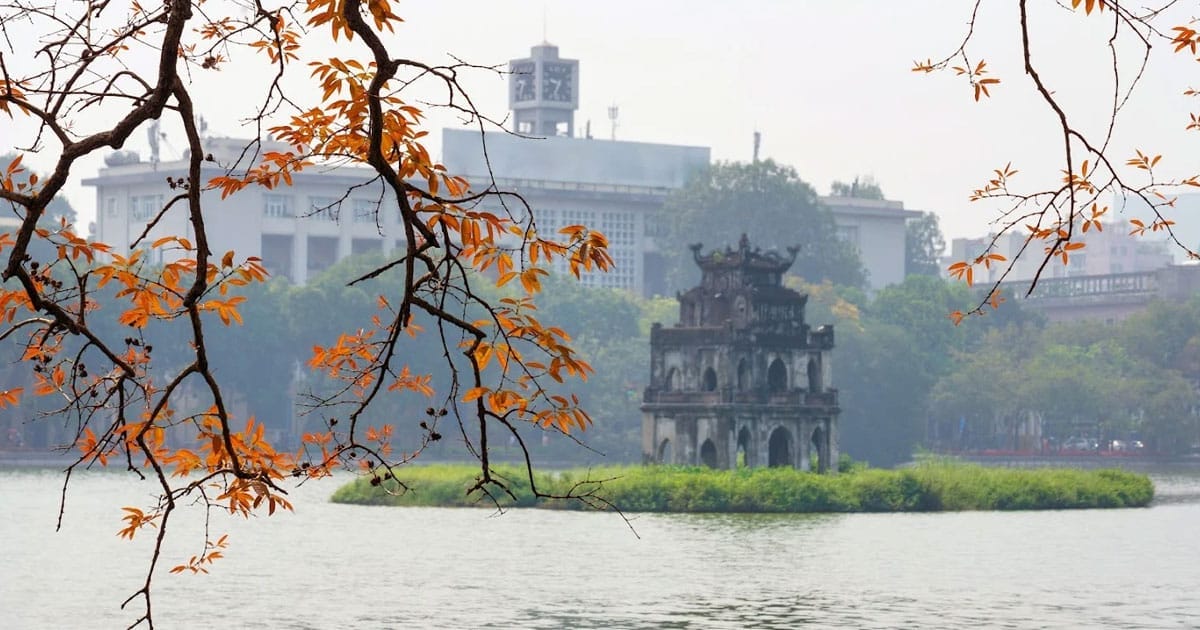
How many days do you need in Hanoi?
Two days can work as an introduction. It is enough to understand the Old Quarter and Hoan Kiem area, experience some of Hanoi’s food culture and select a small number of important heritage or cultural sites. The limitation is pace: two days leaves little room for neighborhoods outside the historic center or for slowing down when traffic, weather or simple curiosity changes the plan.
Three days is the strongest starting point for most first-time visitors. It allows the historic core to be explored without turning it into a race, creates space for a second city zone such as Ba Dinh or West Lake, and gives meals, cafés and evening street life a place in the schedule rather than squeezing them between attractions.
Four days or more makes sense for travelers who enjoy museums, food, photography or neighborhood exploration, or who want Hanoi to function as a relaxed base before continuing through Northern Vietnam. Extra time is also useful when weather slows outdoor plans or when you prefer to separate major heritage visits instead of stacking them into one long day.
The important point is that Hanoi does not need to be “completed.” A longer stay adds value mainly by reducing the need to rush and by revealing parts of the capital beyond the streets most visitors see on arrival.
Understand Hanoi before deciding where to stay
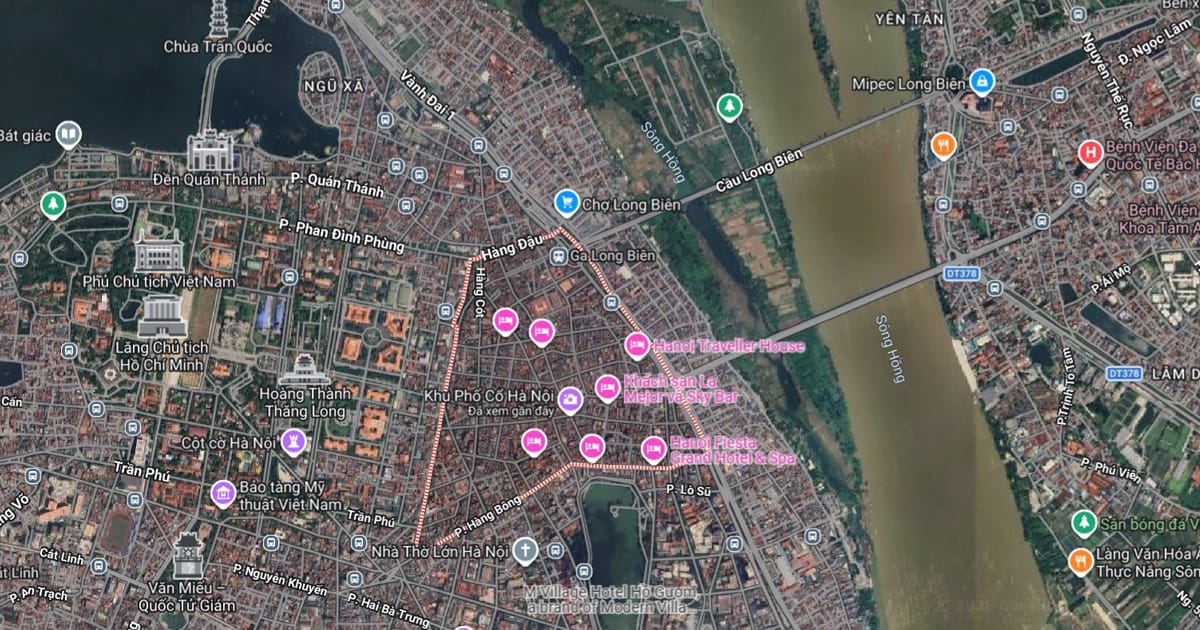
Hanoi becomes easier to navigate once you divide it into a few distinct visitor zones rather than treating the entire capital as one sightseeing area.
Hoan Kiem and the Old Quarter form the most practical orientation point for a first visit. This is the dense, street-level Hanoi many travelers imagine before arriving: narrow lanes, older shop houses, food stalls, cafés, small temples and constant movement. The Old Quarter is compact enough for extensive walking, and Hoan Kiem Lake provides an obvious landmark when the surrounding street pattern begins to feel confusing.
The French Quarter and the southern side of Hoan Kiem feel more open. Broader roads, historic villas and large civic buildings create a different scale from the Old Quarter.
Ba Dinh is the stronger choice when national history and major heritage institutions are central to the trip. This part of Hanoi carries much of the capital’s political and historical weight.
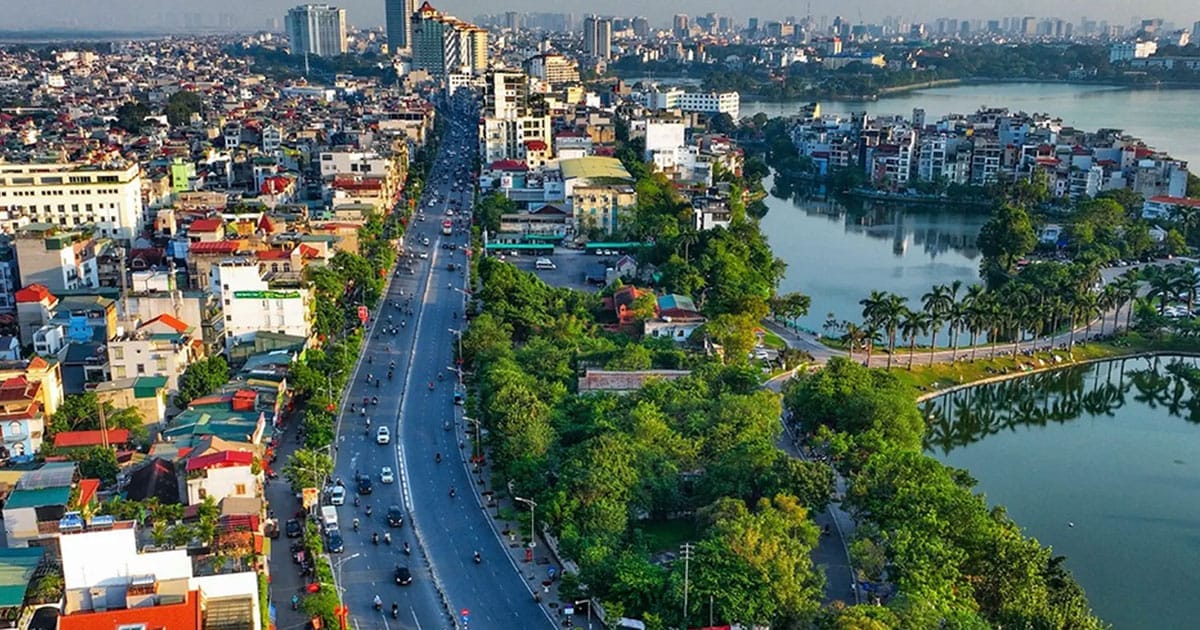
West Lake and Tay Ho change the pace again. The larger body of water, greater sense of space, international dining and residential character make this side of Hanoi attractive to longer-stay visitors or travelers who want more distance from the intensity of the Old Quarter.
Where should first-time visitors base themselves?
For a short first visit, Hoan Kiem or the edge of the Old Quarter is usually the simplest base. The advantage is not that every major Hanoi sight is beside your hotel; it is that a large amount of food, evening activity and street-level exploration begins immediately outside the door. You can spend significant parts of a day walking instead of arranging transport for every stop.
The trade-off is intensity. Streets can be noisy, traffic is constant in many areas and the most concentrated tourist lanes may not suit travelers who want quiet evenings.
The French Quarter is a useful middle ground for travelers who want to remain central but prefer somewhat wider streets and a less compressed urban environment. West Lake becomes more attractive when a slower residential atmosphere, longer stay or lakeside setting matters more than being able to walk directly into the Old Quarter.
There is therefore no universal “best area in Hanoi.” For a first visit, choose according to the experience you want after sightseeing ends: immediate street life, a calmer central base or a more spacious lakeside neighborhood.
Hanoi is walkable — but not in the way a compact European city is walkable
The historic core is compact by distance, but the physical experience is more demanding than a map suggests: motorcycles move through narrow streets, shops and parked vehicles can occupy pedestrian space, crossings require attention, and hot or humid weather increases walking effort.
A better strategy is walk within a zone, use transport between zones. Explore the Old Quarter and Hoan Kiem on foot; move to Ba Dinh, West Lake or farther districts by taxi, ride-hailing service or bus; then start walking again once you reach the next area.
This matters particularly for families, senior travelers and anyone with limited mobility. Hanoi can still be rewarding without long continuous walks, but the day should be broken into manageable geographic sections. Accessibility varies by individual heritage site, so mobility requirements should be checked at attraction level rather than assumed from the city as a whole.
Plan Hanoi by rhythm rather than attraction count
One of the easiest ways to make Hanoi exhausting is to construct a day from unrelated famous names. The capital works better when experiences are grouped by place and energy level.
The Old Quarter rewards slower walking because much of its character exists between formal stops: specialist shops, food preparation, old façades, religious spaces, alleys and coffee shops. Hoan Kiem Lake also works as a useful orientation point and social space rather than simply a landmark to photograph.
Major heritage sites deserve separate attention rather than being treated as photo stops. The Imperial Citadel of Thang Long matters because it represents Hanoi’s unusually long political and historical continuity, not simply because it is old.
The strongest Hanoi days therefore mix one or two structured cultural experiences with unstructured city time. That structure leaves the detailed choice of attractions to individual Attraction pages and related-content grids instead of forcing every visitor through the same checklist.
For the Ba Dinh stop, use the Ho Chi Minh Mausoleum visitor guide to plan your visit separately from the Old Quarter.
Who will enjoy Hanoi most?
Hanoi is particularly strong for travelers interested in history, food, architecture, photography and cities that reveal themselves through everyday activity. It suits travelers who enjoy walking without needing every street to feel orderly, and people who are comfortable allowing a meal or café stop to become part of the experience rather than something that interrupts sightseeing.
Travelers seeking primarily beaches, resorts or a low-effort tropical escape may prefer to treat Hanoi as one component of a broader trip rather than its main focus. The city is energetic and sensory: traffic, noise, seasonal humidity and street density are genuine parts of the experience.
That intensity is also why pacing matters. Hanoi often feels richer after three reasonably planned days than after two days of attempting to cover twice as much.
Use Hanoi as the organizing hub for Northern Vietnam
Hanoi’s importance extends beyond the city itself. It is the transport point from which many regional routes through Northern Vietnam are organized.
Hanoi → Ninh Binh: choose this extension when limestone landscapes, river journeys and rural scenery are the priority. Ninh Binh is a natural southern extension of a Hanoi stay.
Hanoi → Ha Long: this shifts the trip from dense urban culture to the seascape of Ha Long Bay. The two destinations are frequently paired because they provide sharply different experiences within the same northern journey.
Hanoi → Sa Pa: this is the larger change in landscape and pace, moving from the capital toward mountains, valleys, rice terraces and trekking.
These relationships are more useful than treating Hanoi simply as the place where an international flight lands. If Northern Vietnam is a major part of the trip, build the route around Hanoi deliberately: decide which landscape should follow the city, then choose the final Hanoi base and departure day around that onward journey.
Climate & Weather
Hanoi has a humid monsoon climate with a stronger seasonal contrast than many first-time visitors expect from Vietnam. Spring is transitional, summer is hot, humid and rainy, autumn is generally more comfortable, and winter can be cool and comparatively dry.
Spring can feel mild but humid, with changing conditions rather than consistently dry weather.
Summer creates the greatest challenge for city walking. Heat, humidity and rain make long outdoor routes more tiring, so sightseeing works better when the most active walking is done earlier or later in the day and the middle hours include food, museums or other indoor stops.
Autumn generally creates the easiest balance for urban exploration as temperatures cool. It is particularly well suited to travelers expecting to spend substantial time on foot around the historic center.
Winter changes Hanoi noticeably. Conditions can be cool rather than tropical, especially in the morning and evening, and travelers arriving from warmer parts of Southeast Asia often benefit from carrying an extra layer.
The practical rule is to let weather change the pace rather than cancel the destination. Hanoi remains a year-round city, but the ideal shape of a sightseeing day is different in humid summer weather than during a cool autumn afternoon.
Nearby Attractions


Best time to visit
For comfortable city exploration, April to June and September to October are particularly useful travel windows. September and October are especially appealing if walking, photography and street exploration are priorities because cooler conditions make it easier to spend longer periods outdoors.
April to June can also work very well, although conditions gradually become warmer as summer approaches.
Summer should be treated as a pacing decision rather than a reason not to visit. Use shorter outdoor blocks, keep plans flexible when rain develops and avoid building a schedule in which every hour depends on walking.
Winter suits travelers who prefer cooler city weather, but packing only tropical clothing is a common mistake. Hanoi’s winter climate can feel surprisingly cool compared with southern Vietnam.

Culture & People
Hanoi’s cultural identity begins with its role as the national capital but extends far beyond government buildings and major monuments. The city has developed around political power, scholarship, trade, religious life, neighborhood communities and the everyday use of public spaces over many centuries.
The Imperial Citadel of Thang Long gives the clearest historical anchor. Its long role as a political center helps explain why Hanoi carries a depth of imperial and national history that is unusual even among major Southeast Asian capitals.
At street level, Hanoi culture is less formal. The Old Quarter still reflects its commercial history through specialist streets and long-established shopfronts, while Hoan Kiem Lake functions as a public gathering space rather than simply a scenic landmark. Café culture also slows the apparent pace of a city that can initially feel intensely busy.
Modern Hanoi belongs in this picture too. Contemporary arts, creative spaces, new dining and rapidly changing urban districts coexist with heritage neighborhoods and traditional food culture. That old-and-new tension is more representative of Hanoi today than presenting the destination as a city frozen in the past.
When entering temples, pagodas and active religious spaces, dress and behave respectfully and remember that these places may still serve local worshippers. Treat them as living community spaces first and visitor attractions second.
Local Food
Food is one of the strongest reasons to spend enough time in Hanoi. The city’s culinary identity is built around neighborhood eating, noodle dishes, grilled food, small specialist shops and cafés rather than a single formal dining district.
Phở is essential to Hanoi’s food identity, but it is only the beginning. Bún chả pairs grilled pork with rice vermicelli, herbs and dipping broth and is closely associated with the capital. Chả cá combines fish with turmeric and dill, while bún thang represents a more delicate noodle tradition. Egg coffee adds one of Hanoi’s most recognizable café experiences.
The best way to use food in a Hanoi itinerary is not to build another checklist of famous restaurants. Think about what to eat and where you will already be. A bowl of noodles before a morning walk, bún chả at lunch or a long coffee break near the historic center can fit naturally into the geographic rhythm of the day.
The Destination Hub should establish why food matters to Hanoi and which culinary signals define the city; detailed restaurant recommendations, price comparisons and extensive dish lists belong in supporting content.
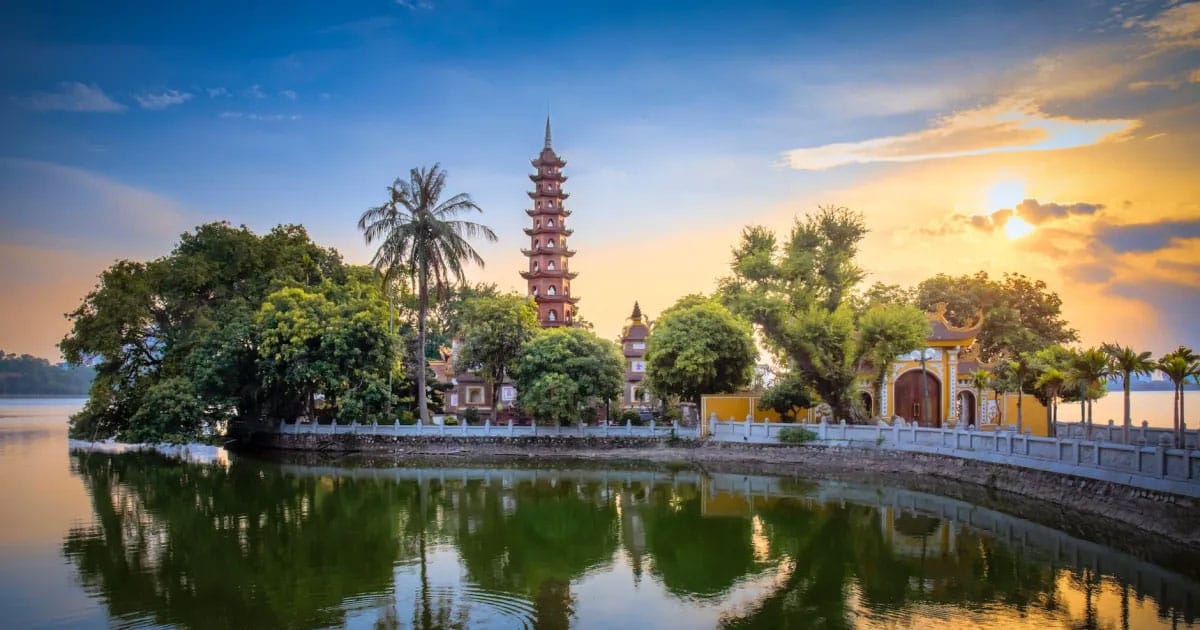
How to get there
By air: Hanoi is served by Noi Bai International Airport, the capital’s principal air gateway. Domestic and international operations use separate passenger terminals, so connecting travelers should check their terminal before moving through the airport.
Airport-to-city options include taxis, public buses and other road transport. Services and operating details can change, so check current airport information before arrival rather than relying on an old fare or timetable.
By rail: Hanoi is one of Vietnam’s main railway hubs. Rail services connect the capital southward along the national network and northward toward Lao Cai for onward travel to Sa Pa, while Ninh Binh is also accessible by rail.
By road: buses, limousine vans, private transfers and other road services connect Hanoi with destinations throughout Northern Vietnam. The appropriate choice depends on the onward destination, luggage, group size and desired comfort rather than one mode being best for every route.
Getting around Hanoi: use walking for compact districts and motorized transport for larger cross-city moves. Taxis, buses and app-based ride services are practical for moving between zones, while the Old Quarter and Hoan Kiem area reward walking once you are already inside the neighborhood.
Visitor Tips
- Use Hoan Kiem Lake as your first orientation point. The Old Quarter’s street pattern is easier to understand once you have a recognizable central landmark.
- Group each half-day geographically. Walking around one zone and then taking transport to the next is more efficient than repeatedly crossing Hanoi.
- Do not underestimate walking effort. The Old Quarter is compact, but motorbike traffic, interrupted sidewalks, heat and humidity can make a short distance feel more demanding than expected.
- Leave gaps in the schedule. Coffee, food and watching the city are part of the Hanoi experience; an itinerary with no unscheduled time misses much of what makes the capital distinctive.
- Match your base to your tolerance for intensity. The historic core offers maximum convenience but also more street noise and activity; West Lake provides a different pace.
- Pack for Hanoi rather than “Vietnam” in general. Summer can be hot and rainy, while winter can be genuinely cool.
- Plan the next northern destination before your final Hanoi night. Ninh Binh, Ha Long and Sa Pa involve different departure patterns, so onward logistics can affect where it is most convenient to stay at the end of the Hanoi portion of the trip.
Why Travel With Us?
Tailored to You: Custom itineraries matching your exact pace and passions.
Go Local: Authentic experiences guided by native experts.
Zero Stress: We handle all logistics—transport, tickets, and stays.
24/7 Support: Round-the-clock local assistance, whenever you need it.
Exceptional Value: Premium quality at fair, transparent prices.
You may also like

A hundred years from now, no one in this world will remember you or me. We only come to this world once — to leave our footprints on new lands and to etch every moment deep into our memory.
Live for the experience. Start your journey today — book your tour and make memories that last a lifetime!
View Our Business & Travel Licenses
Book your holidayGallery

FAQ
Q: Is Hanoi worth visiting?
Q: How many days should I spend in Hanoi?
Q: Where should a first-time visitor stay in Hanoi?
Q: Is Hanoi easy to walk around?
Q: What is the best time to visit Hanoi?
Q: Which airport serves Hanoi?
Q: Is Hanoi a good base for exploring Northern Vietnam?

Phong Nha–Ke Bang Named Asia’s Leading National Park 2026
Phong Nha–Ke Bang won Asia’s Leading National Park 2026 and Vietnam’s Leading Nature Destination 2026. [...]
Sep

Hue to Dong Hoi by Train: Schedules, Tickets & Phong Nha Connection
Choose the right Hue–Dong Hoi train by arrival window, seat or berth, luggage, HQ2 vs [...]
Sep

Da Nang to Phong Nha: Bus, Train, Private Car & Best Route
Compare direct buses, train via Dong Hoi, private cars and Da Nang Airport connections by [...]
Sep

Hue to Phong Nha: Bus, Train, Private Car & Best Way to Travel
Compare direct buses, Hue Northern Bus Station coaches, the HQ1/HQ2 heritage train, Grab and private [...]
Sep

Da Nang vs Hue: Which City Should You Stay In?
Compare Da Nang and Hue by trip anchor, daily pace, usable nights and transfer friction [...]
Sep

Hoi An Lantern Festival Guide: 2026 Dates & Evening Plan
Plan Hoi An's monthly Lantern Festival around the 14th lunar night, verified 2026 dates, an [...]
Sep

Hoi An Tailor Guide: What to Make, Fittings & Buying Tips
Learn how to get clothes made in Hoi An: choose a tailor, compare fabrics and [...]
Sep

Where to Stay in Hue: Best Areas by Trip Style
Compare the best areas to stay in Hue, from the central south bank and Citadel [...]
Sep