

A ceremonial memorial at the centre of Hanoi’s Ba Dinh historic precinct.
Ho Chi Minh Mausoleum Hanoi: Ba Dinh Square & Visitor Guide
A Great choice for Central VietNam Tour
Share your details and our travel experts will call you back with personalized packages.
We'll call you soon


An amazing journey to explore local culture awaits you
QUICK FACTS
Rating Score: 4.5☆(20,885)GoogleMap
What Defines the Ba Dinh Mausoleum Experience
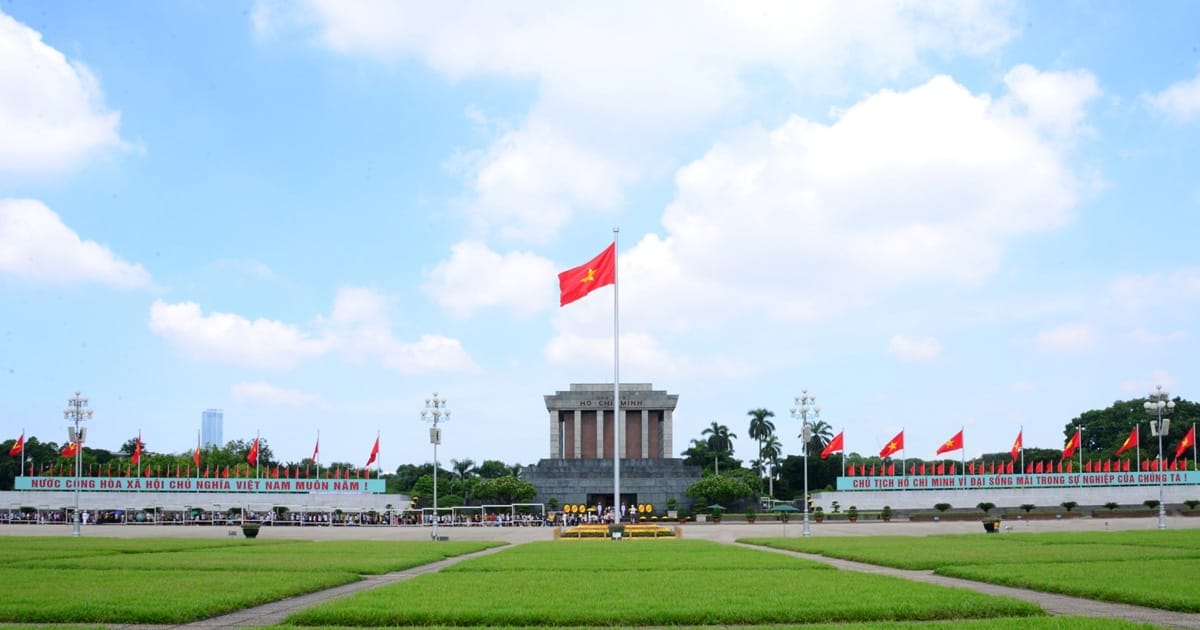
- Stand in Ba Dinh Square, the public space associated with Ho Chi Minh’s declaration of independence on 2 September 1945.
- Enter the mausoleum during authorised visitor hours to see the memorial chamber containing Ho Chi Minh’s embalmed body.
- Understand a visitor process built around security screening, organised movement and memorial etiquette rather than a conventional museum visit.
- Read the building as a piece of twentieth-century state memorial architecture rather than expecting the decorative language of an older Vietnamese temple or palace.
- Continue through the wider precinct to understand the contrast between monumental state architecture and the smaller-scale spaces associated with Ho Chi Minh’s working and residential life.
Opening hours:
Mausoleum interior viewing: Tuesday, Wednesday, Thursday, Saturday and Sunday mornings. April 1–October 31: 07:30–10:30; Saturday, Sunday and holidays until 11:00. November 1–March 31: 08:00–11:00; Saturday, Sunday and holidays until 11:30. Monday and Friday normally have no regular viewing. Scheduled 2026 maintenance closure: September 4–November 2; reopening November 3.Entrance Ticket:
Free admissionCheck the 2026 Maintenance Closure Before You Travel
This is the most important current planning detail for visitors in late 2026.
The mausoleum is scheduled to stop interior viewing from 4 September through 2 November 2026 for periodic maintenance. Official service is scheduled to resume on 3 November 2026.
If your Hanoi trip falls within that closure window, do not build the morning around entering the memorial chamber. You can still plan the wider Ba Dinh area separately, but the experience is not the same as an interior mausoleum visit.
Start with Ba Dinh Square, Not the Mausoleum Door
The best place to understand the mausoleum is the open square in front of it.
Ba Dinh Square gives the building its scale and political context. This is the area associated with the public declaration of Vietnam’s independence on 2 September 1945, when Ho Chi Minh read the Declaration of Independence before a large crowd in Hanoi.
The mausoleum did not yet exist at that time. Keeping those two dates separate helps avoid a common misunderstanding: the square is linked to the 1945 event, while the present memorial was constructed later.
Plan Around the Morning Viewing Schedule
Interior viewing is normally organised on Tuesday, Wednesday, Thursday, Saturday and Sunday mornings. Monday and Friday normally have no regular viewing service.
From 1 April to 31 October, regular weekday viewing is 07:30–10:30, while Saturday, Sunday and holidays continue to 11:00. From 1 November to 31 March, regular weekday viewing is 08:00–11:00, with Saturday, Sunday and holidays continuing to 11:30.
Special commemorative dates can use different arrangements, and temporary official closures can override the normal schedule. Treat the published timetable as something to confirm before departure, especially around holidays and annual maintenance.
Understand Why the Mausoleum Was Built Here
Ho Chi Minh died in 1969. Construction of the mausoleum began in the 1970s, and the completed memorial opened in 1975.
Its position on Ba Dinh Square deliberately connects the resting place of Ho Chi Minh with the location most strongly associated with the founding moment of the modern Vietnamese state.
That relationship between person, square and national ceremony is more important to the visitor experience than the building’s dimensions alone.
Expect Security Screening Before the Memorial
Visitors pass through an official security check and baggage procedure before entering the mausoleum route.
Small personal items can be permitted under current rules, while professional cameras and video equipment must be deposited before entering. Food and drinks are not permitted in the controlled mausoleum area.
Arriving with minimal belongings makes the process simpler, particularly on busy mornings when queues are already long.
Photography Stops at the Memorial Chamber
Photography around the exterior and Ba Dinh Square is possible when done respectfully and according to staff guidance.
Photography and filming inside the chamber containing Ho Chi Minh’s embalmed body are prohibited. Mobile phones and ordinary tourist cameras that are permitted through security must remain switched off as required during the interior visit.
This is one of the practical rules worth knowing before you join the queue rather than discovering it at the final security point.
Dress for a Ceremonial Memorial
Official visitor guidance expects neat, clean and respectful clothing.
The important point is not to dress formally for tourism, but to remember that this is a national memorial with a ceremonial visitor process. Follow staff instructions and avoid clothing or behaviour that conflicts with the respectful character of the site.
The Interior Is Brief by Design
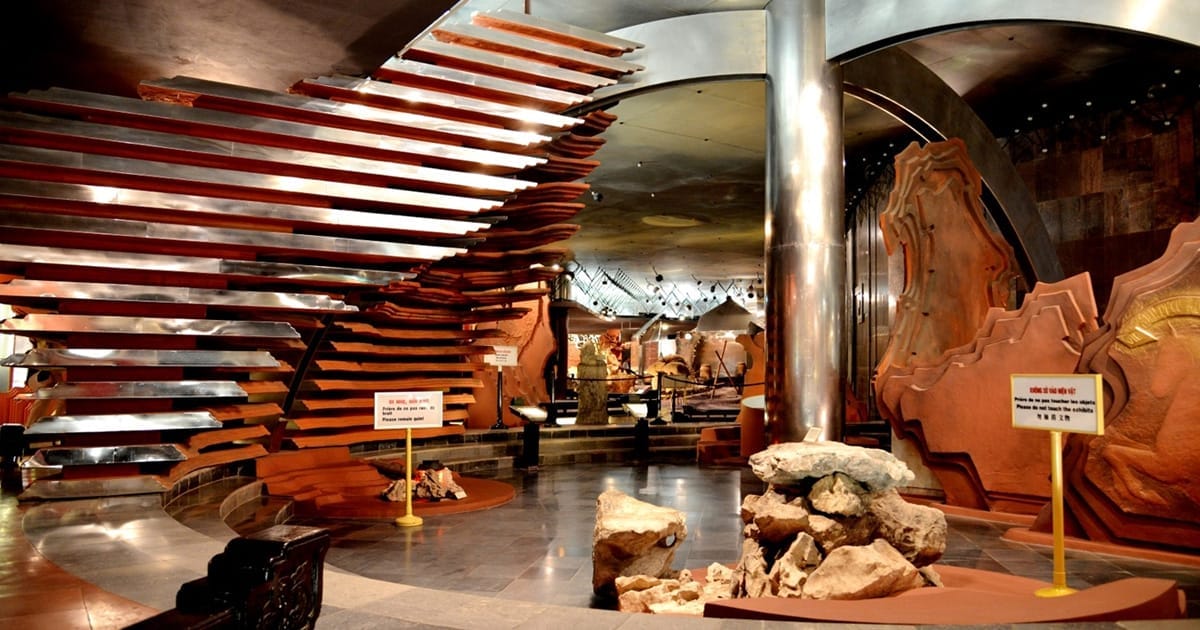
Inside the mausoleum, the focus is the memorial chamber containing the embalmed body of Ho Chi Minh.
This is not a gallery filled with explanatory exhibits, so do not expect to spend a long time inside reading displays. The space is designed for a continuous, respectful procession rather than independent wandering.
If you want deeper historical interpretation, build that into the wider Ba Dinh visit rather than expecting the mausoleum interior to provide it.
Read the Architecture as a State Memorial
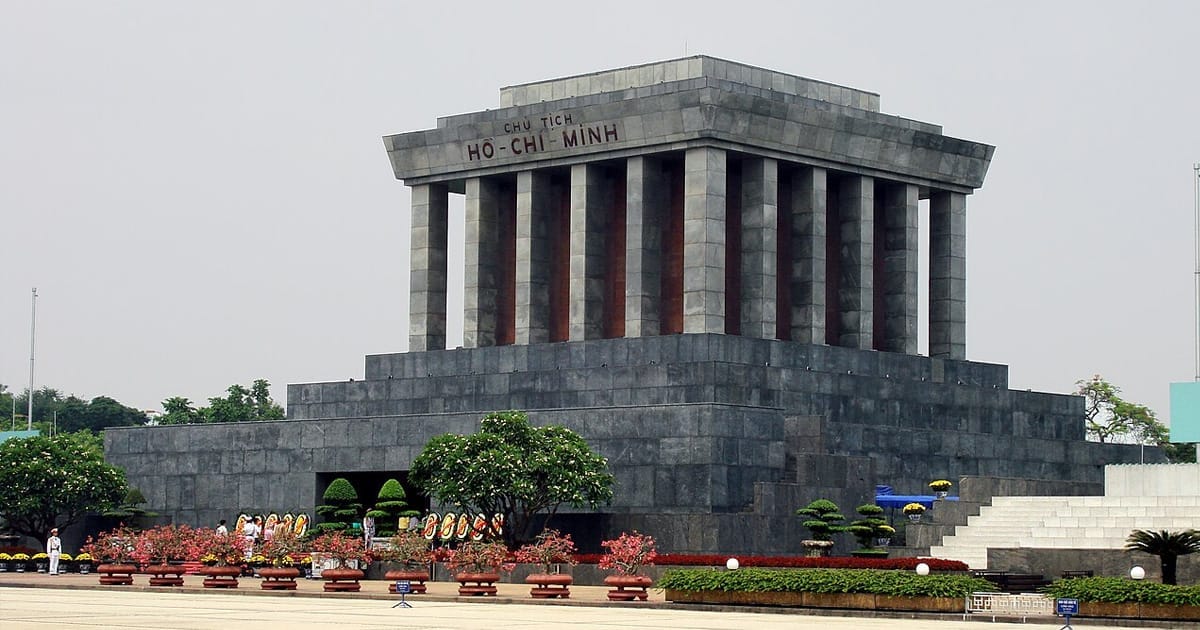
The mausoleum is intentionally monumental and restrained.
Its massive stone composition differs sharply from the timber halls, tiled roofs and courtyards found at older Hanoi attractions such as the Temple of Literature.
The design belongs to a twentieth-century memorial tradition while also incorporating Vietnamese materials and symbolic landscaping.
This contrast is useful when building a broader Hanoi itinerary: the mausoleum represents modern state memory rather than imperial, merchant or Confucian heritage.
Continue into the Presidential Palace Area for a Different Scale
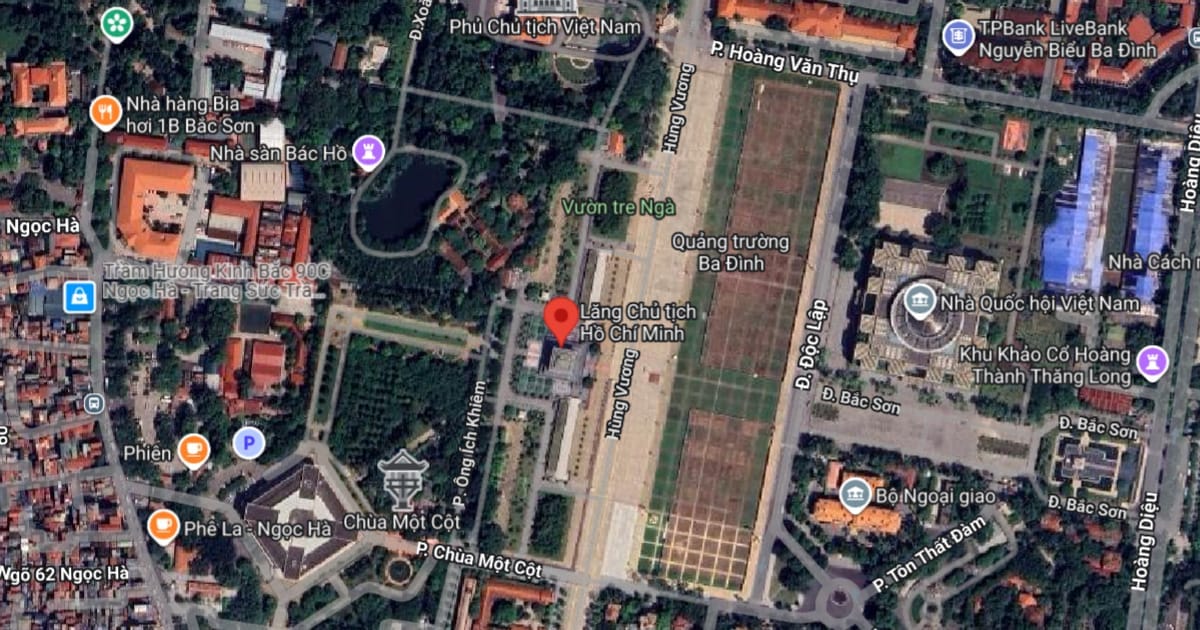
After the monumental character of the mausoleum, the nearby Presidential Palace precinct and Ho Chi Minh’s stilt house create a very different experience.
The important contrast is not simply architectural. The mausoleum represents national commemoration, while the residential and working spaces are used to interpret aspects of Ho Chi Minh’s daily life and official role.
These nearby sites can form part of the same Ba Dinh visit, but they have their own visitor arrangements and should not be assumed to share the mausoleum’s timetable or free-entry policy.
Keep One Pillar Pagoda as a Separate Historical Layer
One Pillar Pagoda sits nearby and is often included in the same walking route, but it belongs to a much older religious tradition.
That difference is useful. Within a short walk, Ba Dinh allows you to move between modern political memorial architecture and a Buddhist landmark whose origins reach back to the Ly dynasty.
Visit them together for convenience, but do not collapse their histories into one story.
Allow Time for the Precinct, Not Just the Memorial Chamber
The interior procession can be short, but a meaningful Ba Dinh visit takes longer.
For most first-time travelers, it makes sense to reserve roughly 1.5–2.5 hours for the wider precinct if you plan to combine the mausoleum with nearby historical sites and walk between them at a comfortable pace.
If your only goal is the mausoleum itself, the actual time required depends heavily on the queue and security process, so a fixed duration can be misleading.
Explore more travel information about Ha Noi.
Best Time to Plan a Ba Dinh Visit
The best time is the earliest practical morning within the official viewing schedule. This gives you more margin for security and queues and leaves time to continue into the surrounding Ba Dinh precinct afterward.
From April through October, regular viewing begins at 07:30; from November through March it begins at 08:00. Saturday, Sunday and holiday mornings can run later but are not necessarily quieter.
If you are traveling between 4 September and 2 November 2026, the mausoleum interior is scheduled to be closed for periodic maintenance. Normal service is scheduled to resume on 3 November 2026.
From the 1945 Independence Ceremony to the 1975 Mausoleum
Ba Dinh Square entered modern Vietnamese history on 2 September 1945, when Ho Chi Minh read the Declaration of Independence in Hanoi.
Ho Chi Minh died in 1969. The mausoleum was constructed in the 1970s and opened in 1975, creating a permanent memorial on the square most closely associated with the founding of the Democratic Republic of Vietnam.
The building therefore connects two different historical moments: the public political ceremony of 1945 and the later development of a national memorial landscape around Ho Chi Minh.
Practical Rules Before You Join the Queue
- Check your date first. Interior viewing is scheduled to close from 4 September to 2 November 2026 for maintenance and reopen on 3 November.
- Go in the morning. Regular mausoleum viewing is a morning activity on Tuesday, Wednesday, Thursday, Saturday and Sunday rather than an all-day attraction.
- Travel light. Security screening and baggage procedures are part of the visit; professional camera and video equipment must be deposited before entry.
- Keep cameras off inside. Photography and filming are prohibited in the chamber containing Ho Chi Minh’s embalmed body.
- Wear neat, clean and respectful clothing. Follow staff instructions throughout the organised visitor route.
- Families should note the age rule. Current official regulations do not admit children under two years old to the mausoleum viewing process.
Why Travel With Us?
Tailored to You: Custom itineraries matching your exact pace and passions.
Go Local: Authentic experiences guided by native experts.
Zero Stress: We handle all logistics—transport, tickets, and stays.
24/7 Support: Round-the-clock local assistance, whenever you need it.
Exceptional Value: Premium quality at fair, transparent prices.
Nearby Attractions


Let's plan your next vacation
A hundred years from now, no one in this world will remember you or me. We only come to this world once — to leave our footprints on new lands and to etch every moment deep into our memory.
Live for the experience. Start your journey today — book your tour and make memories that last a lifetime!
View Our Business & Travel Licenses
Book your holidayGallery
FAQ
Q: What are the current Ho Chi Minh Mausoleum opening hours?
Q: Is Ho Chi Minh Mausoleum closed for maintenance in 2026?
Q: How much is the entrance ticket for Ho Chi Minh Mausoleum?
Q: Can I take photos inside Ho Chi Minh Mausoleum?
Q: What should I wear to Ho Chi Minh Mausoleum?
Q: How long should I allow for the Ho Chi Minh Mausoleum area?
Q: Is Ho Chi Minh Mausoleum the same as Ba Dinh Square?
BOOKING

Phong Nha–Ke Bang Named Asia’s Leading National Park 2026
Phong Nha–Ke Bang won Asia’s Leading National Park 2026 and Vietnam’s Leading Nature Destination 2026. [...]
Sep

Hue to Dong Hoi by Train: Schedules, Tickets & Phong Nha Connection
Choose the right Hue–Dong Hoi train by arrival window, seat or berth, luggage, HQ2 vs [...]
Sep

Da Nang to Phong Nha: Bus, Train, Private Car & Best Route
Compare direct buses, train via Dong Hoi, private cars and Da Nang Airport connections by [...]
Sep

Hue to Phong Nha: Bus, Train, Private Car & Best Way to Travel
Compare direct buses, Hue Northern Bus Station coaches, the HQ1/HQ2 heritage train, Grab and private [...]
Sep

Da Nang vs Hue: Which City Should You Stay In?
Compare Da Nang and Hue by trip anchor, daily pace, usable nights and transfer friction [...]
Sep

Hoi An Lantern Festival Guide: 2026 Dates & Evening Plan
Plan Hoi An's monthly Lantern Festival around the 14th lunar night, verified 2026 dates, an [...]
Sep

Hoi An Tailor Guide: What to Make, Fittings & Buying Tips
Learn how to get clothes made in Hoi An: choose a tailor, compare fabrics and [...]
Sep

Where to Stay in Hue: Best Areas by Trip Style
Compare the best areas to stay in Hue, from the central south bank and Citadel [...]
Sep
Let's get in touch!