

A practical walking guide to Hanoi's historic trading quarter.
Hanoi Old Quarter: 36 Streets, Walking Route & Visitor Guide
A Great choice for Central VietNam Tour
Share your details and our travel experts will call you back with personalized packages.
We'll call you soon


An amazing journey to explore local culture awaits you
QUICK FACTS
Rating Score: 4,6☆(10,121)GoogleMap
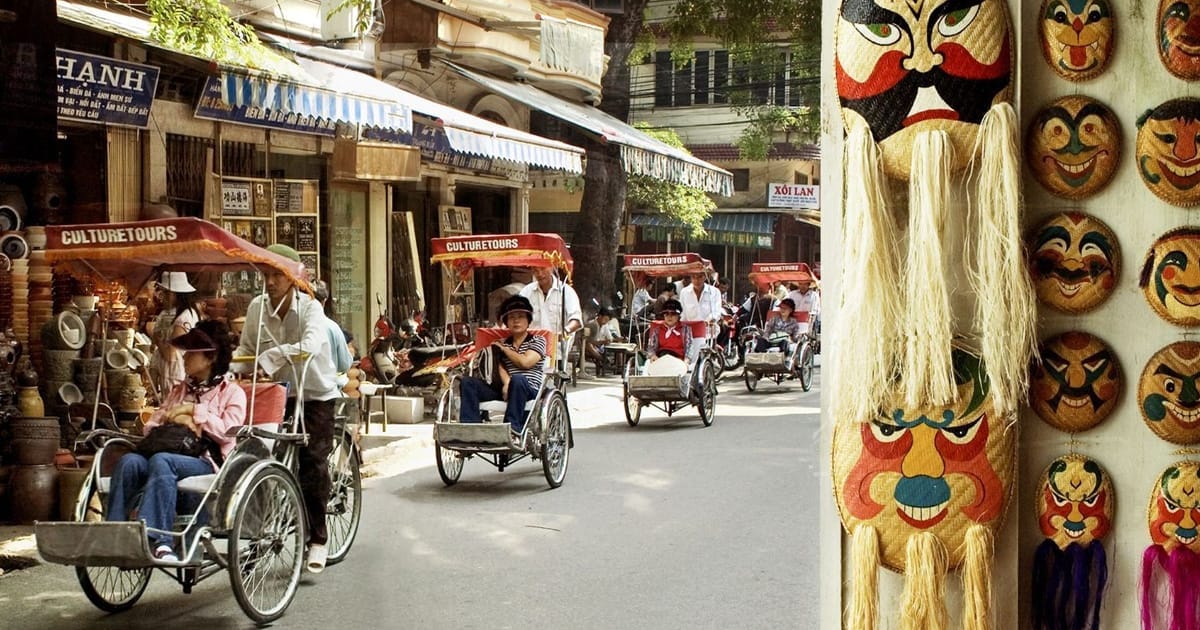
Highlights
- See how the famous “36 Streets” grew from specialised craft and merchant streets rather than assuming the quarter contains exactly 36 roads.
- Step inside the 87 Ma May Heritage House to understand traditional tube-house architecture that is difficult to appreciate from the street alone.
- Visit Bach Ma Temple, an important historic religious site embedded directly into the commercial quarter.
- Walk through O Quan Chuong, the surviving historic city gate linking the old trading district with the river side of Hanoi.
- Finish around Dong Xuan Market to see how the Old Quarter remains an active commercial district rather than a preserved open-air museum.
Opening hours:
24/7Entrance Ticket:
Free admissionStart by Understanding the Old Quarter
Hoan Kiem Lake and Hanoi Old Quarter are closely connected in a visitor itinerary, but they are not exactly the same entity.
The lake sits directly beside the historic trading district, and the northern lakefront is one of the easiest places to enter the Old Quarter. Once you move north, the streets become narrower, commercial activity becomes denser and the neighbourhood character changes quickly.
Do not worry about crossing an invisible official boundary while walking. The distinction matters mainly for understanding the destination and planning a coherent route.
Follow a South-to-North Route on Your First Visit
A practical first-time sequence is Hoan Kiem Lake edge → Hang Gai → Hang Dao → Hang Ngang → Hang Buom → Ma May → O Quan Chuong → Dong Xuan Market.
This route is useful because it moves through several different layers of the quarter instead of repeating the same type of street. You begin with well-known shopping streets, move into older residential-commercial spaces and religious heritage, reach the historic city gate, then finish near the district’s major traditional market.
Allow approximately 2–3 hours if you walk slowly and enter one or two heritage sites. If you stop extensively for food, shopping or photography, the same route can occupy much longer.
Read the Trading Streets, Not Just the Street Names
Starting around Hang Dao makes sense because commercial activity is central to the Old Quarter’s identity.
You will quickly notice that historic street names do not always describe what is sold there today. That is part of the story rather than a problem: the quarter has continuously adapted to new markets while retaining its dense street commerce, narrow buildings and strong relationship between business and residential space.
Pause at Bach Ma Temple
Bach Ma Temple on Hang Buom provides a clear contrast with the surrounding shops and food businesses.
It remains a religious and cultural site rather than just an architectural backdrop. Keep your voice low, avoid blocking worshippers and give the interior a few minutes before returning to the street.
Use 87 Ma May to Understand Tube-House Architecture
If you only look at Old Quarter buildings from the pavement, their narrow façades can make traditional houses difficult to understand.
The 87 Ma May Heritage House helps explain the typical sequence of narrow frontage, interior rooms, courtyards, wooden stairs and domestic spaces that developed behind merchant shopfronts.
Treat its ticket and opening hours as separate from access to the Old Quarter itself because it is an individually managed heritage site.
Use O Quan Chuong as a Physical Boundary Marker
O Quan Chuong is useful both historically and navigationally.
The surviving city gate recalls the relationship between the old commercial quarter and river transport, when goods entered Hanoi from the Red River side before moving into the trading streets.
Walking through the gate makes that relationship much easier to understand than trying to memorise the quarter’s old boundaries from a map.
Finish Around Dong Xuan Instead of Completing “36 Streets”
By the time you reach Dong Xuan Market, you have already seen the main layers needed to understand the Old Quarter: retail streets, worship, domestic architecture, a historic gate and a major market.
There is little value in mechanically ticking off every street beginning with Hang.
If you have more time, explore smaller side streets from here according to your own interest in food, architecture, shopping or photography.
Expect a Different Street Pattern on Weekend Evenings
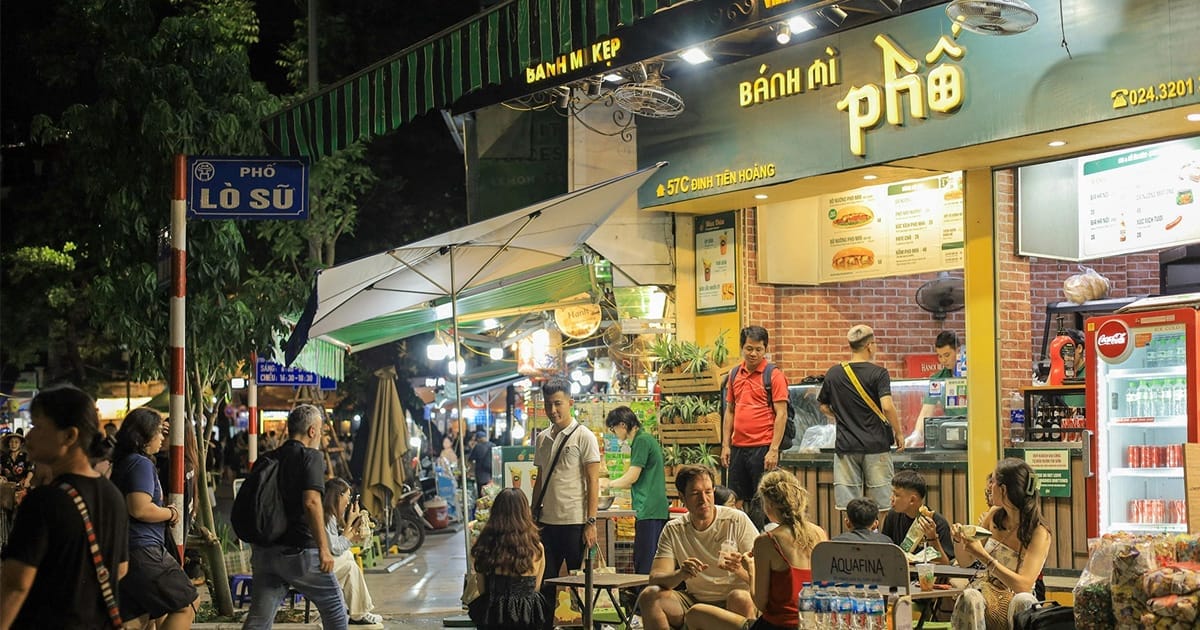
In the current 2026 traffic arrangement, parts of the central pedestrian and night-market area restrict normal road traffic from 19:00 to 24:00 on Friday, Saturday and Sunday.
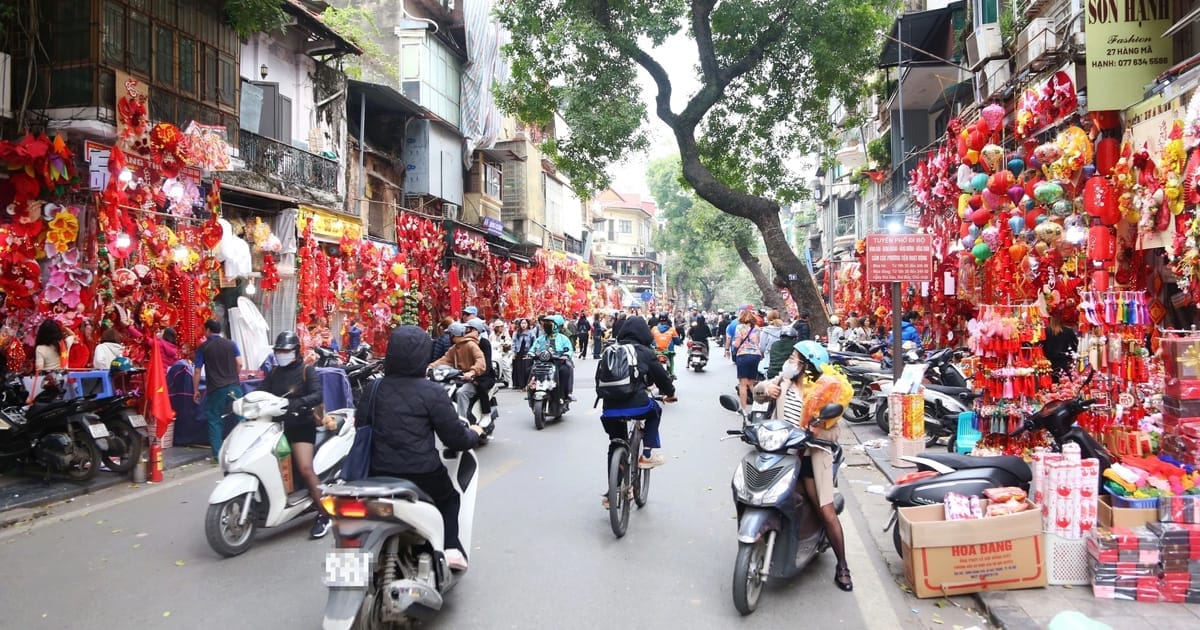
This makes the core easier to walk but also significantly busier.
Do not assume the entire Old Quarter becomes pedestrian-only. Traffic conditions change street by street, and roads around the core remain active.
Choose Morning for Local Rhythm or Evening for Atmosphere
Morning is useful for seeing deliveries, market activity and everyday commercial routines before the evening entertainment crowd arrives.
Late afternoon into evening gives you a broader first-time experience because you can see architecture and worship spaces in daylight, then remain as street lighting, food activity and nightlife become more prominent.
Best Time to Explore
For a first visit, late afternoon into evening gives the broadest range of experiences: daylight for architecture and heritage sites, followed by street lighting, food activity and evening atmosphere.
If you prefer quieter streets and everyday commercial life, go in the morning instead.
Friday to Sunday evening is the best choice if you specifically want the pedestrian-zone atmosphere. Parts of the core currently restrict normal road traffic from 19:00 to 24:00, but this is also the busiest period.
History & Urban Heritage
Hanoi Old Quarter developed beside the old Thang Long capital as craftspeople and traders from villages around northern Vietnam came into the city to sell their products.
Businesses tended to cluster by trade. Over time, many streets became associated with the goods produced or sold there, which explains the repeated prefix Hang in names such as Hang Dao, Hang Bac and Hang Ma.
The quarter is therefore better understood as a network of merchant communities and specialised trading streets than as one planned historic district.
Traditional houses commonly use a narrow street frontage with rooms and courtyards extending far behind it, creating the urban form often described as a tube house. The Old Quarter was recognised as a National Historic Site in 2004, reflecting the combined value of its street pattern, architecture, worship spaces and living commercial traditions.
Visitor Tips
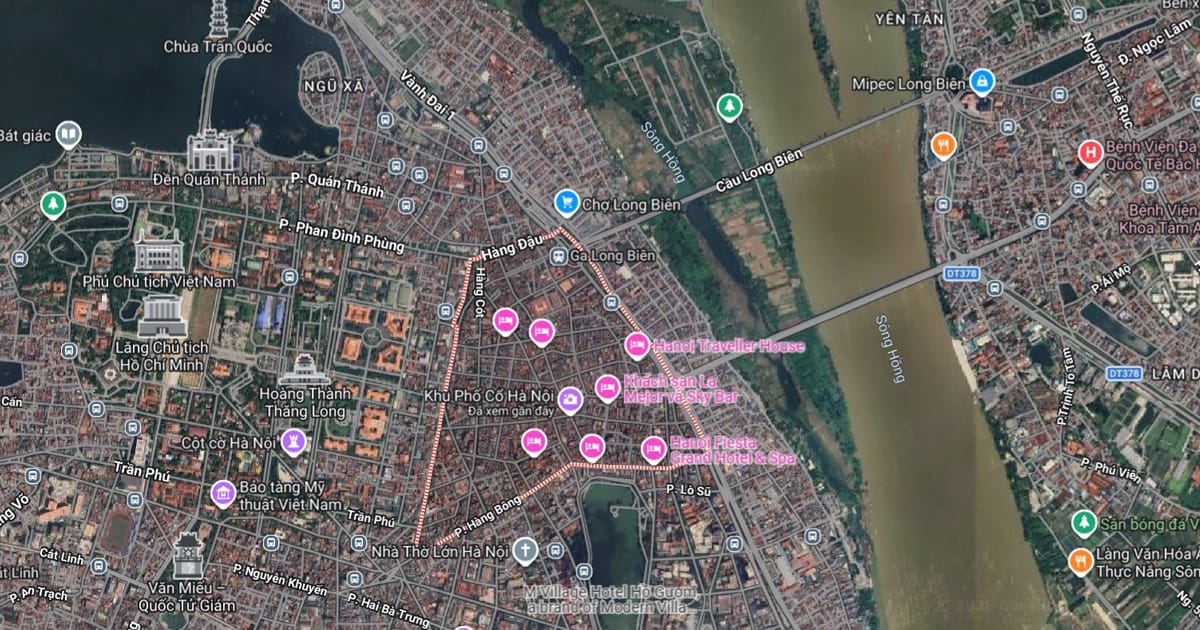
- Save the whole area on your map, not just one pin. Hanoi Old Quarter is a district, so one marker cannot represent the full visitor experience.
- Use Hoan Kiem Lake as an orientation point. If you become disoriented in the street grid, moving south generally brings you back toward the lakefront.
- Do not try to visit all “36 streets”. Follow one coherent route and enter a small number of places that explain the district well.
- Use the weekend pedestrian period strategically. Walking is easier in the traffic-restricted core after 19:00 Friday–Sunday, but crowds are heavier.
- Cross active streets deliberately. Many roads remain mixed traffic even when pavements are crowded with shops, parked motorbikes and pedestrians.
Why Travel With Us?
Tailored to You: Custom itineraries matching your exact pace and passions.
Go Local: Authentic experiences guided by native experts.
Zero Stress: We handle all logistics—transport, tickets, and stays.
24/7 Support: Round-the-clock local assistance, whenever you need it.
Exceptional Value: Premium quality at fair, transparent prices.
Nearby Attractions


Let's plan your next vacation
A hundred years from now, no one in this world will remember you or me. We only come to this world once — to leave our footprints on new lands and to etch every moment deep into our memory.
Live for the experience. Start your journey today — book your tour and make memories that last a lifetime!
View Our Business & Travel Licenses
Book your holidayGallery
FAQ
Q: Is Hanoi Old Quarter the same as Hoan Kiem Lake?
Q: Does Hanoi Old Quarter really have only 36 streets?
Q: How long should I spend in Hanoi Old Quarter?
Q: When are the Old Quarter streets pedestrian-only?
Q: Is Hanoi Old Quarter free to visit?
BOOKING

Phong Nha–Ke Bang Named Asia’s Leading National Park 2026
Phong Nha–Ke Bang won Asia’s Leading National Park 2026 and Vietnam’s Leading Nature Destination 2026. [...]
Sep

Hue to Dong Hoi by Train: Schedules, Tickets & Phong Nha Connection
Choose the right Hue–Dong Hoi train by arrival window, seat or berth, luggage, HQ2 vs [...]
Sep

Da Nang to Phong Nha: Bus, Train, Private Car & Best Route
Compare direct buses, train via Dong Hoi, private cars and Da Nang Airport connections by [...]
Sep

Hue to Phong Nha: Bus, Train, Private Car & Best Way to Travel
Compare direct buses, Hue Northern Bus Station coaches, the HQ1/HQ2 heritage train, Grab and private [...]
Sep

Da Nang vs Hue: Which City Should You Stay In?
Compare Da Nang and Hue by trip anchor, daily pace, usable nights and transfer friction [...]
Sep

Hoi An Lantern Festival Guide: 2026 Dates & Evening Plan
Plan Hoi An's monthly Lantern Festival around the 14th lunar night, verified 2026 dates, an [...]
Sep

Hoi An Tailor Guide: What to Make, Fittings & Buying Tips
Learn how to get clothes made in Hoi An: choose a tailor, compare fabrics and [...]
Sep

Where to Stay in Hue: Best Areas by Trip Style
Compare the best areas to stay in Hue, from the central south bank and Citadel [...]
Sep
Let's get in touch!