

Northern Vietnam’s limestone-bay destination, where mainland travel, cruise journeys and coastal heritage meet.
Ha Long
A Great choice for Central VietNam Tour
Share your details and our travel experts will call you back with personalized packages.
We'll call you soon


QUICK FACTS
Ha Long at a Glance
Ha Long is often treated as if the mainland destination and the bay were the same entity, but separating them makes trip planning much easier. The mainland provides accommodation, restaurants, ports and road transport; Ha Long Bay is the marine landscape that most travelers come to experience. In practical travel terms, Ha Long is best understood as a wider destination area containing several distinct visitor zones rather than one compact center.
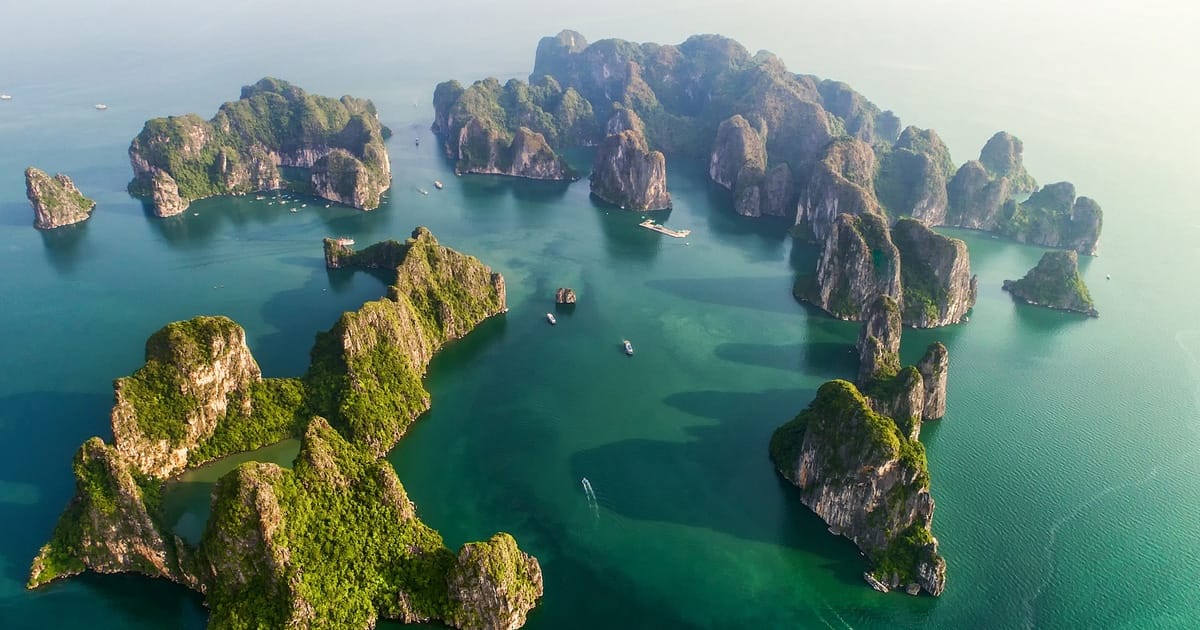
The natural identity of the destination comes from a drowned limestone-karst landscape where towers, islands, cliffs, caves and sheltered waters rise directly from the Gulf of Tonkin. In 2023, the UNESCO World Heritage property was expanded to include the Cat Ba Archipelago, creating the current Ha Long Bay – Cat Ba Archipelago property across Quang Ninh and Hai Phong.
That does not mean Ha Long and Cat Ba are interchangeable travel bases. Ha Long remains the principal mainland gateway for many cruises and is closely connected with Hanoi by road, while Cat Ba sits on the island side of the wider heritage landscape. A visitor can therefore experience the same broader UNESCO property through different bases, ports and cruise routes.
The key decision is not simply whether to see Ha Long Bay. It is how you want to experience the bay and how much mainland time you actually need. A traveler joining an overnight cruise has different base requirements from someone staying in Bai Chay for two nights or using Ha Long as a short extension from Hanoi.
What Defines Ha Long
- A major marine-karst landscape: limestone towers, islands, caves and sea-inundated karst create the natural system that defines the destination.
- One destination, several travel layers: the mainland area provides hotels and services, Tuan Chau works as a major cruise gateway, and the bay itself is experienced primarily by boat.
- Cruising changes the role of accommodation: an overnight vessel can become both transport and lodging, while a mainland hotel serves a completely different type of stay.
- Ha Long has a real maritime culture: generations of fishing communities developed distinctive customs, food traditions and sea-based knowledge around the bay.
- The destination is broader than the postcard view: Bai Chay, Hong Gai and Tuan Chau each offer a different relationship with the bay and with local urban life.
- A natural extension from Hanoi: Ha Long shifts a Northern Vietnam trip from dense urban culture to open water, limestone scenery and maritime travel.

Understand the difference between Ha Long, Ha Long Bay and Cat Ba
This is the most useful distinction to make before booking anything.
Ha Long is the mainland destination area in Quang Ninh. This is where travelers encounter hotels, restaurants, urban neighborhoods, major roads and passenger ports.
Ha Long Bay is the marine landscape off the coast. Once a cruise leaves port, the focus shifts from the city to limestone islands, caves, sheltered water and boat-based experiences.
Ha Long Bay – Cat Ba Archipelago is the current UNESCO World Heritage property. The previous Ha Long Bay boundaries were expanded in 2023 to include Cat Ba Archipelago, so the protected heritage entity now crosses both Quang Ninh and Hai Phong.
Cat Ba is still a separate destination decision. Sharing one UNESCO property does not mean staying in Cat Ba is equivalent to staying in Ha Long. The access points, atmosphere and cruise geography differ, so a future Ha Long–Cat Ba or Ha Long–Lan Ha comparison page should own that choice in depth.
How long should you stay in Ha Long?
One day works when the bay is the only priority. Travelers can arrive from Hanoi, join a day cruise and leave again, but the trip becomes highly structured around transport and the cruise schedule. It provides the landscape experience without much relationship to Ha Long as a destination.
Two days is the strongest starting point for most first-time visitors. This can mean one mainland night plus a substantial bay experience, or an overnight cruise depending on travel style. The important advantage is reduced pressure: the bay no longer has to fit between two long transfer blocks on the same day.
Three days makes sense when Ha Long is more than a cruise stop. Extra time can support a slower mainland stay, local food, urban exploration or a more extended cruise experience. It is not necessary for every traveler, particularly when a longer Northern Vietnam itinerary already includes another coastal or island destination.
The Destination Hub should stop at this decision level. Exact one-day, two-day and cruise-by-cruise schedules belong in dedicated itinerary content.
Choose your mainland base before choosing your hotel
Hotel selection becomes much easier once the three main mainland zones are understood.
Bai Chay is the easiest all-round base for most first-time visitors. It has the strongest concentration of accommodation, dining, entertainment and tourism services, making it practical for travelers who want the simplest combination of hotel stay, evening activity and onward cruise logistics.
Tuan Chau is more cruise-oriented. It sits at the gateway to the bay and remains an important embarkation area for excursion and overnight vessels. Travelers whose trip is built primarily around boarding a cruise may value being closer to the port more than being in the busiest urban tourism district.
Hong Gai offers a more local urban side of Ha Long. This side of the destination includes markets, waterfront neighborhoods and a stronger everyday city atmosphere. It can suit travelers who want to see more local food culture rather than staying entirely inside the resort-and-entertainment environment of Bai Chay.
The Hub therefore should not declare one hotel district universally “best.” The actual choice is between visitor convenience, cruise proximity and local urban atmosphere.
Decide between a day cruise and an overnight cruise first
The biggest Ha Long planning decision is not which cave or island to visit. It is whether the bay will be a day experience or part of an overnight stay on the water.
A day cruise keeps the trip compact. It suits travelers with limited time, those who prefer sleeping on land or visitors already staying in Ha Long. The trade-off is that the experience is concentrated into the busier daytime sightseeing window.
An overnight cruise changes the rhythm. The vessel becomes accommodation as well as transport, and the traveler experiences the bay beyond the main period when excursion traffic is moving through the most popular routes.
This Hub does not need to rank cruise companies, cabin categories or routes. Those commercial and comparison queries should belong to dedicated cruise content.
The cruise port matters more than many visitors expect
Ha Long is a dispersed waterfront destination, so the word “Ha Long” on a hotel address does not guarantee that the property is convenient for your exact departure point.
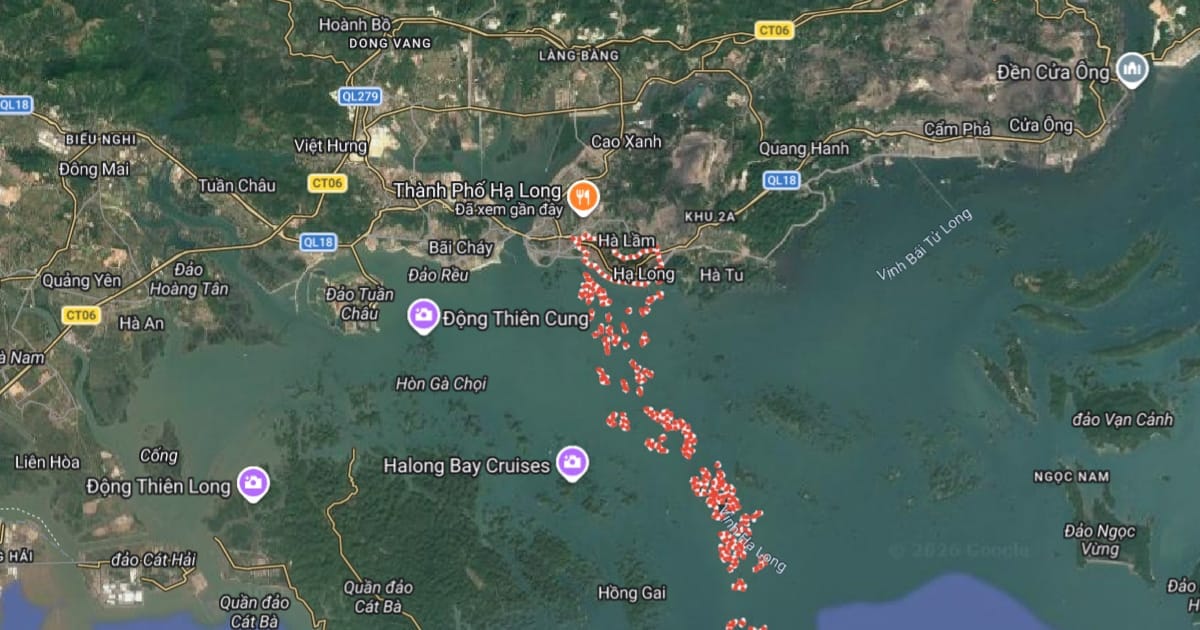
Tuan Chau is a major passenger gateway for Ha Long Bay tourism, while the Bai Chay side also contains important passenger and tourism infrastructure.
The practical lesson is simple: confirm the actual embarkation port before finalizing the previous night’s accommodation or transfer.
This becomes especially important for early departures, families with luggage and travelers arriving independently rather than through a cruise package that includes Hanoi transfers.
Ha Long is not only a cruise terminal
Travelers who arrive, board a ship and leave immediately can easily miss the fact that Ha Long has its own mainland identity.
Bai Chay represents the destination’s modern tourism and leisure side. Hong Gai retains more of the older urban, market and cultural character. Along the waterfront, these zones face the same bay but create different experiences on land.
The contrast matters because Ha Long’s identity has long developed through a relationship between sea, port activity, fishing communities, tourism and the wider industrial history of Quang Ninh. The bay is the dominant entity, but the mainland is not simply a waiting room for cruise passengers.
Who will enjoy Ha Long most?
Ha Long is strongest for travelers who value scenery and water-based travel. The destination works particularly well for couples, photographers and first-time visitors to Vietnam who want to experience the country’s most recognizable marine landscape.
Families can also find Ha Long straightforward because much of the main experience is organized through boats and vehicles rather than difficult trekking. However, comfort varies by vessel, cabin, transfer and individual shore activity, so accessibility questions should be checked at the specific cruise or Attraction level.
Travelers who dislike organized schedules may find some cruise formats restrictive. In that case, staying longer on land or comparing Ha Long with Cat Ba or Lan Ha can provide a different type of coastal trip.
Visitors seeking deep urban culture, street life and museums will generally find Hanoi more rewarding. Ha Long’s strength is the transition away from urban density toward water, geology and maritime scenery.
Ha Long in a Northern Vietnam journey
Hanoi to Ha Long is the most natural relationship. Many travelers use cruise packages that include road transport from Hanoi, while independent visitors can also travel to the Ha Long area and continue to the port separately.
The transition is useful because the destinations solve different travel needs. Hanoi provides food, history, street life and urban culture; Ha Long provides open water and an experience organized around landscape rather than neighborhoods.
Ha Long and Ninh Binh also work well in the same Northern Vietnam journey because both are limestone landscapes expressed in completely different environments: Ha Long is marine karst, while Ninh Binh is a river-and-rice-field landscape inland.
Ha Long and Cat Ba require a more deliberate decision. They are part of the same extended UNESCO World Heritage property, but using both in one itinerary only makes sense when the traveler wants additional island time or a different bay experience rather than simply repeating similar scenery.
Weather in Ha Long
Ha Long has a seasonal Northern Vietnam climate, and weather matters more here than at many city destinations because so much of the experience happens on open water.
September to November often brings cooler conditions and clearer skies. April and May can offer warmer sunshine and pleasant conditions on the bay. From December to March, mist and cooler weather can reduce distant visibility but create a softer, atmospheric landscape.
June to August is more weather-sensitive. Heat, humidity, monsoon rain and tropical weather systems can affect cruise operations and outdoor plans. Travelers during this period should avoid building an inflexible onward schedule around one irreplaceable cruise departure.
This field should remain a destination-level summary. Detailed month-by-month weather, storm-season risk and cruise cancellation planning belong in dedicated best-time or seasonal content.
Nearby Attractions


Best Time to Visit Ha Long
September to November and April to May provide a strong balance for many first-time visitors. These periods generally offer more comfortable conditions for spending long hours on deck and participating in outdoor bay activities.
Winter should not automatically be treated as a poor time to visit. Cooler air and mist can change the visual character of the bay, and travelers who prefer mild temperatures may find this more comfortable than summer.
Summer works well for warm-weather travelers but requires more flexibility because monsoon conditions can make marine schedules less predictable.
The best period therefore depends on what matters most: clear-distance views, warmer weather, cooler cruising conditions or itinerary reliability. Dedicated seasonal content should handle detailed monthly comparisons.
Maritime Culture and Local Life
Ha Long’s cultural identity developed through a close relationship with the sea. For generations, fishing communities lived and worked across the bay, using boats not only for transport and fishing but as homes and community spaces.
That water-based life created its own knowledge, customs, folk songs, rituals and social traditions. Local sea chants, fishing knowledge and beliefs were shaped by generations living in a marine environment.
The historic floating-village pattern also changed substantially when communities were relocated to the mainland as part of social and environmental management. Cultural centers and visitor experiences now help preserve and interpret this maritime heritage rather than simply reproducing the old residential model.
On land, Hong Gai adds another layer through markets, temples, waterfront neighborhoods and the older urban identity of Ha Long. This helps prevent the destination from being reduced to cruise tourism alone.
Food in Ha Long
Ha Long’s food identity is strongly maritime. Fresh fish, squid, shellfish and other seafood naturally dominate many local meals, but one product is especially associated with the destination: chả mực Hạ Long, or Ha Long-style squid cakes.
Traditional versions are associated with hand-pounded squid, producing a springy texture with visible pieces of squid. Chả mực can be eaten on its own or paired with foods such as sticky rice or bánh cuốn.
Seafood is also part of the cruise experience, although food quality and style vary by vessel and package. Travelers staying on land gain a better opportunity to explore local restaurants and markets rather than experiencing Ha Long cuisine only through cruise menus.
The Destination Hub only needs to establish this seafood identity. Detailed restaurant rankings and full specialty lists should belong to dedicated food content.
How to Get to Ha Long
Hanoi is the main gateway for most international visitors. Many cruise packages include road transport between Hanoi and Ha Long, while independent travelers can use buses, tourist vans or private transfers and continue to their embarkation point.
For travelers arriving independently, the important detail is not simply reaching “Ha Long.” You need to know whether your final destination is Bai Chay, Tuan Chau, Hong Gai or a specific passenger port.
Tuan Chau is an important gateway for bay cruises, while the Bai Chay side also contains major passenger and tourism infrastructure.
Once on the mainland, taxis and other road transport are more practical than trying to walk between the major zones. On the bay, movement becomes boat-based and is generally determined by the cruise itinerary.
Practical Tips for Visiting Ha Long
- Choose the experience before the hotel. Decide day cruise, overnight cruise or mainland stay first; accommodation choice becomes much easier afterward.
- Confirm your actual embarkation port. “Ha Long” is too broad a destination label to assume every hotel is close to every cruise departure.
- Use Bai Chay when convenience matters most. It has the strongest concentration of tourism services and works well for a first mainland stay.
- Consider Tuan Chau when the cruise is the priority. Being near the passenger-port area can simplify departure logistics.
- Do not judge the bay only by midday conditions. Mist, light and boat traffic can change the landscape substantially across the day.
- Keep weather flexibility in summer. Marine conditions matter more than they do for a normal city sightseeing day.
- Do not assume Ha Long and Cat Ba are the same stay. They share one extended UNESCO property but operate as different visitor bases.
Why Travel With Us?
Tailored to You: Custom itineraries matching your exact pace and passions.
Go Local: Authentic experiences guided by native experts.
Zero Stress: We handle all logistics—transport, tickets, and stays.
24/7 Support: Round-the-clock local assistance, whenever you need it.
Exceptional Value: Premium quality at fair, transparent prices.
You may also like

A hundred years from now, no one in this world will remember you or me. We only come to this world once — to leave our footprints on new lands and to etch every moment deep into our memory.
Live for the experience. Start your journey today — book your tour and make memories that last a lifetime!
View Our Business & Travel Licenses
Book your holidayGallery
FAQ
Q: Is Ha Long worth visiting?
Q: Is Ha Long the same as Ha Long Bay?
Q: Is Ha Long Bay the same as Ha Long Bay – Cat Ba Archipelago?
Q: How many days should I spend in Ha Long?
Q: Where should I stay in Ha Long?
Q: Should I take a day cruise or an overnight cruise?
Q: What is the best time to visit Ha Long?
Q: Can I visit Ha Long from Hanoi in one day?

Phong Nha–Ke Bang Named Asia’s Leading National Park 2026
Phong Nha–Ke Bang won Asia’s Leading National Park 2026 and Vietnam’s Leading Nature Destination 2026. [...]
Sep

Hue to Dong Hoi by Train: Schedules, Tickets & Phong Nha Connection
Choose the right Hue–Dong Hoi train by arrival window, seat or berth, luggage, HQ2 vs [...]
Sep

Da Nang to Phong Nha: Bus, Train, Private Car & Best Route
Compare direct buses, train via Dong Hoi, private cars and Da Nang Airport connections by [...]
Sep

Hue to Phong Nha: Bus, Train, Private Car & Best Way to Travel
Compare direct buses, Hue Northern Bus Station coaches, the HQ1/HQ2 heritage train, Grab and private [...]
Sep

Da Nang vs Hue: Which City Should You Stay In?
Compare Da Nang and Hue by trip anchor, daily pace, usable nights and transfer friction [...]
Sep

Hoi An Lantern Festival Guide: 2026 Dates & Evening Plan
Plan Hoi An's monthly Lantern Festival around the 14th lunar night, verified 2026 dates, an [...]
Sep

Hoi An Tailor Guide: What to Make, Fittings & Buying Tips
Learn how to get clothes made in Hoi An: choose a tailor, compare fabrics and [...]
Sep

Where to Stay in Hue: Best Areas by Trip Style
Compare the best areas to stay in Hue, from the central south bank and Citadel [...]
Sep