

Northern Vietnam’s mountain hub, where terraced valleys, highland cultures and the Hoang Lien Son range meet.
Sa Pa
A Great choice for Central VietNam Tour
Share your details and our travel experts will call you back with personalized packages.
We'll call you soon


QUICK FACTS
Sa Pa at a Glance
Sa Pa is best understood as a mountain travel area rather than a single compact town. The urban center contains most hotels, restaurants, transport services and evening activity, but much of the destination’s identity lies outside it in steep valleys, terraced fields, village landscapes and the high mountains of the Hoang Lien Son range.
This difference matters because a traveler can have very different Sa Pa experiences while staying only a short distance apart. A central hotel makes logistics easy and keeps restaurants within reach, while a valley homestay or rural lodge places the landscape and village environment at the center of the stay. Neither is automatically better; the right choice depends on comfort, mobility and how much time you want to spend outdoors.
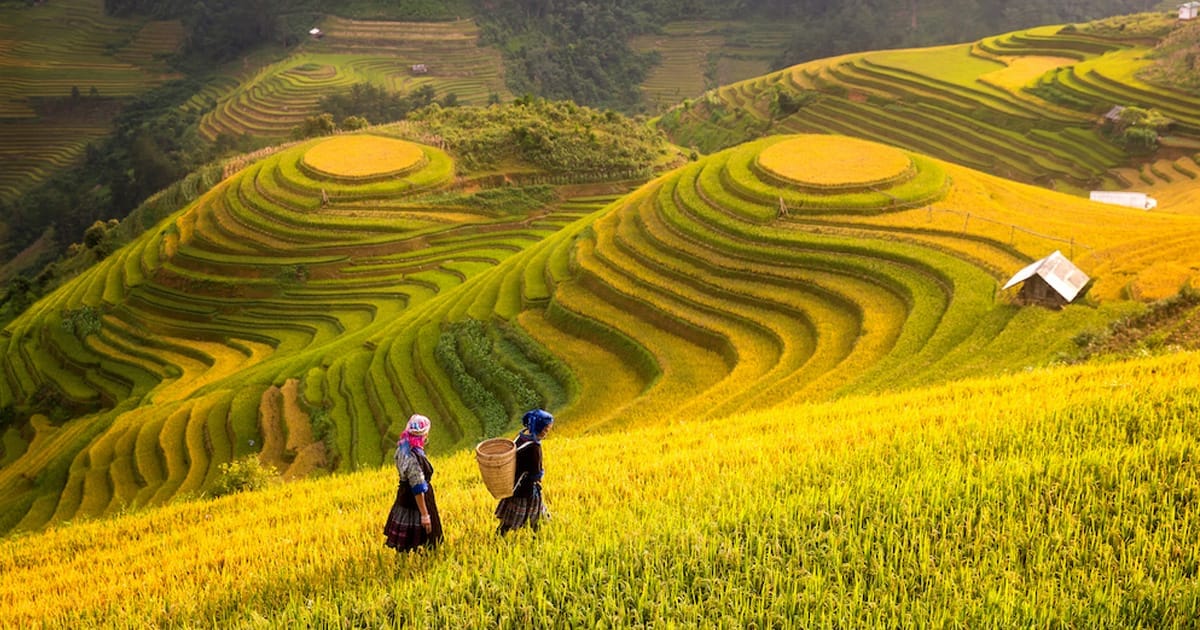
Sa Pa is also one of the clearest places in Northern Vietnam to see how mountain geography, agriculture and ethnic cultures interact. Terraced slopes are working farmland rather than scenery created for visitors, and the surrounding communities include several ethnic groups with distinct languages, clothing traditions, markets and social customs.
The main planning question is therefore not simply what to see. It is how much of the trip should be town-based, valley-based and physically active. Once that decision is clear, accommodation, transport and length of stay become much easier to organize.
What Defines Sa Pa
- Mountain landscape at several scales: Sa Pa combines a service town, steep agricultural valleys and the high peaks of the Hoang Lien Son range in one destination.
- Terraced farming is part of everyday life: the rice terraces are working landscapes shaped by generations of mountain agriculture, not simply viewpoints.
- Ethnic cultures remain central to the destination: Hmong, Red Dao and other highland communities contribute distinct languages, dress, foodways, craft traditions and village identities.
- Walking changes how you understand the area: even modest countryside walks reveal terrain, settlement patterns and farming landscapes that are difficult to appreciate only from a vehicle.
- Fansipan adds a high-mountain dimension: Vietnam’s highest mountain rises above the wider Sa Pa region and reinforces the destination’s alpine-scale identity.
- A strong contrast with Hanoi: Sa Pa replaces urban density with cool mountain air, steep terrain, rural valleys and a slower rhythm outside the town center.
Understand Sa Pa as town, valley and high mountain
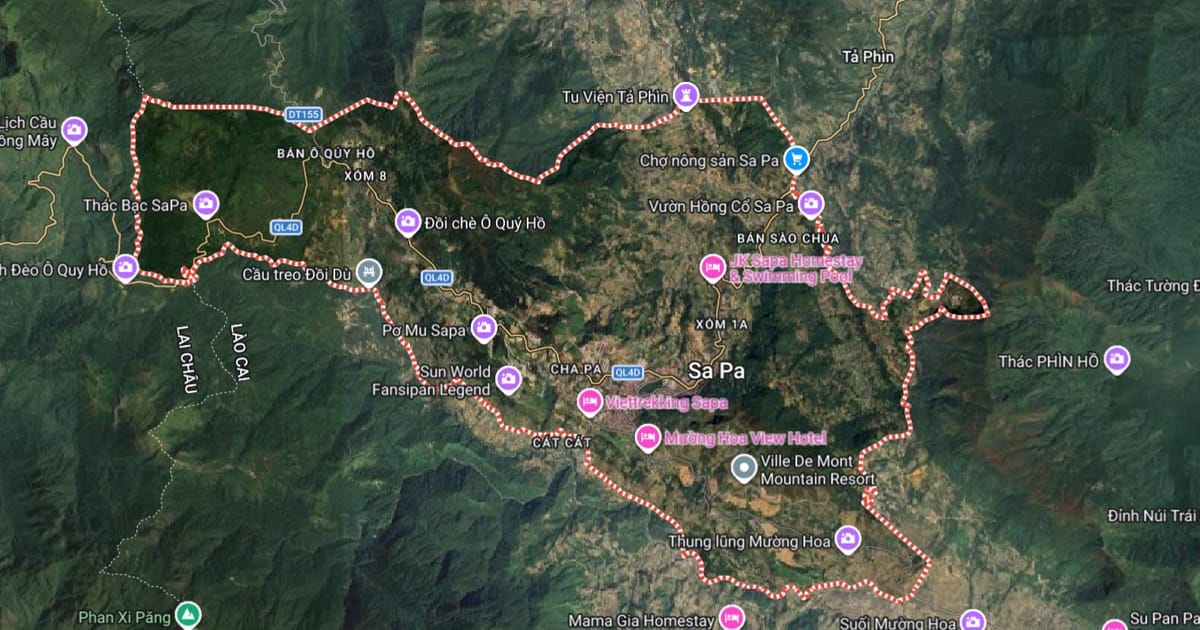
The easiest way to plan Sa Pa is to stop treating every place on the map as part of one compact center.
Sa Pa town is the practical hub. This is where most travelers arrive, arrange transport, find the widest choice of restaurants and accommodation, and return after countryside excursions. It is the easiest base for a first trip when convenience matters more than rural atmosphere.
The surrounding valleys are where Sa Pa feels most rural. Terraced fields, village roads, streams and slopes create a different travel rhythm from the town. Staying or walking in the valleys gives more direct contact with the agricultural landscape but usually means fewer services and greater dependence on arranged transport.
The high-mountain zone is a separate layer. Fansipan and the upper Hoang Lien landscape create a much more dramatic altitude-based experience than the farming valleys. It should be treated as a different type of day rather than simply another stop on a town walking route.
Thinking in these three layers — town, valley and high mountain — provides a clearer planning framework than building the trip around a long list of individual attractions.
How long should you stay in Sa Pa?
One night is possible but compressed. It can work when Sa Pa is a secondary stop and the goal is a short introduction to the mountain scenery. The trade-off is that arrival and departure logistics take up a large share of the stay, leaving little room for weather changes or a slower countryside experience.
Two nights is the practical starting point for many first-time visitors. It gives enough space for one substantial valley or outdoor experience while still allowing time in town and some flexibility around mountain weather.
Three nights suits travelers who want Sa Pa to feel like a destination rather than an excursion. Extra time is especially useful for trekking, rural stays, photography or travelers who prefer not to combine long transport days with demanding walks.
The parent Destination Hub should stay at this duration level. Exact day-by-day trekking routes and itinerary sequencing belong in dedicated Sa Pa itinerary content.
Where should first-time visitors base themselves?
Central Sa Pa is the easiest choice for convenience. Restaurants, cafés, shops and transport services are concentrated here, and it is simpler to organize different day experiences without changing accommodation. This works particularly well for short stays, families and travelers carrying larger luggage.
A valley stay is better when the countryside is the main reason for the trip. Rural accommodation can provide quieter mornings, views across terraced slopes and easier access to walking routes. The trade-off is less spontaneous access to town restaurants and services, especially after dark.
A split stay can make sense for longer trips. Spending part of the visit in town and part in a valley avoids forcing one accommodation choice to serve two very different experiences. It is most useful when the trip lasts three nights or more; for a short stay, changing hotels may create more friction than value.
The useful decision is therefore convenience versus immersion, not which individual hotel is universally best.
Choose trekking by terrain and effort, not only by distance
Walking is one of Sa Pa’s defining experiences, but distance alone does not describe difficulty well in a mountain environment.
Valley routes can involve steep descents, uneven paths, mud after rain and long climbs back toward road access. A route that looks short on a map may feel substantially harder than an equivalent urban walk.
For first-time visitors, the better question is how many hours of uneven terrain you are comfortable with and whether you want the walk to be the main activity of the day or simply part of a broader countryside visit.
Families, senior travelers and anyone with limited mobility should separate scenic road-based experiences from genuine trekking. Sa Pa can still be rewarding without a demanding hike, but those choices should be made before the day begins rather than after reaching a steep trail.
Detailed trail selection, guides and route difficulty belong to dedicated trekking or Attraction content rather than the Destination Hub.
Getting around Sa Pa requires more planning than the compact town suggests
The center of Sa Pa is walkable, but the destination around it is not. Villages, valley viewpoints and mountain access points are spread across steep terrain, so most trips require a combination of walking and road transport.
Walk within the town or within one selected countryside area. This keeps the experience coherent and prevents the day from becoming a series of short vehicle hops.
Use a car, taxi or motorbike for larger changes in elevation and distance. This is especially useful when combining a valley experience with the town on the same day or when rain makes walking conditions less predictable.
Independent motorbike riding suits experienced riders, but mountain roads, mist and wet surfaces can make conditions very different from lowland city riding. Travelers who are not confident on steep or low-visibility roads lose little by using a driver instead.
For a short roadside nature stop on the Highway 4D outing, compare Silver Waterfall with the longer O Quy Ho Pass route.
Why the countryside matters more than collecting viewpoints
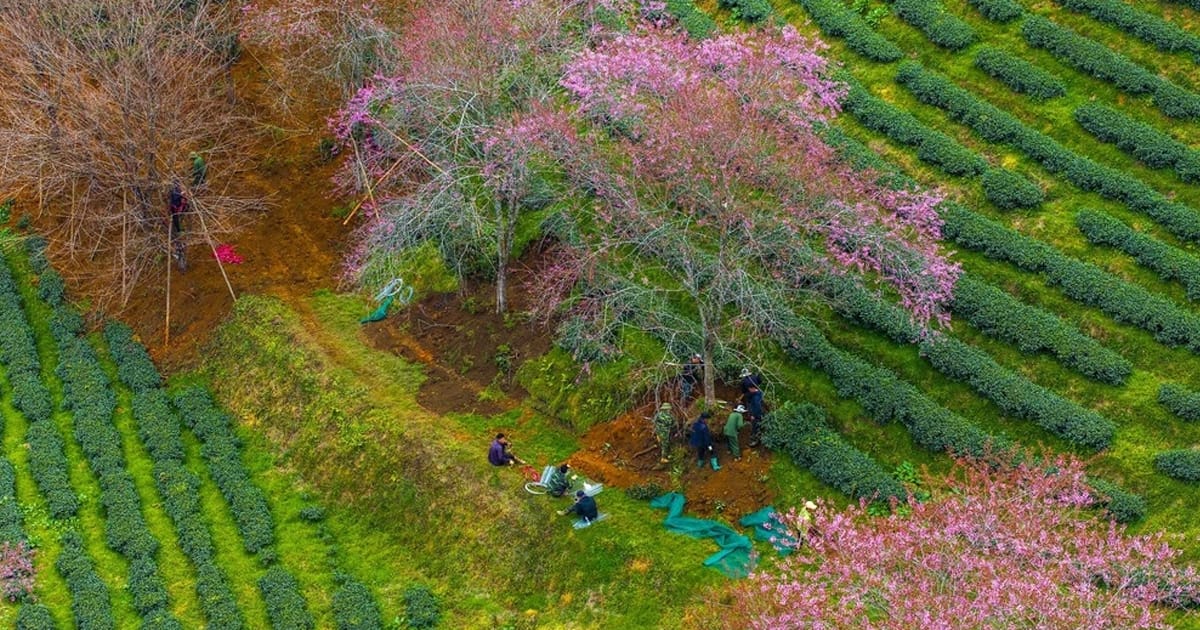
Sa Pa is often photographed through dramatic terrace views, but the destination becomes more meaningful when the landscape is understood as lived and cultivated space.
Rice terraces follow steep contours because farming communities have adapted agriculture to mountain terrain over generations. Villages are not decorative stops between viewpoints; they are homes, workplaces and social spaces.
This changes how a visitor should move through the area. Slower walking, respectful photography and spending money through local services can create a better experience than rushing between the same visual landmarks.
It also means the parent Hub should explain the relationship between landscape and community, while specific villages and viewpoints remain separate child entities with their own visitor guidance.
Who will enjoy Sa Pa most?
Sa Pa is especially rewarding for travelers interested in mountain scenery, photography, walking, rural landscapes and cultural context. It suits people who enjoy moving between a comfortable base and more active days outdoors.
Couples and solo travelers often appreciate the flexibility between town and countryside, while families can enjoy Sa Pa when walking distances and weather exposure are planned realistically.
Travelers looking mainly for nightlife, beaches or a low-effort resort stay may find other destinations more suitable. Sa Pa’s strongest experiences depend on terrain, weather and some willingness to move beyond the central town.
At the same time, a strenuous trek is not required to enjoy the destination. Scenic drives, shorter walks and mountain viewpoints can still provide a strong sense of Sa Pa for travelers who prefer a gentler pace.
Sa Pa in a Northern Vietnam journey
Hanoi is the main starting point for most international visitors. Sa Pa works well after time in the capital because the journey shifts immediately from dense urban neighborhoods to mountain terrain and rural valleys.
Ha Long and Sa Pa provide opposite landscape experiences. Ha Long is organized around marine karst and cruise travel; Sa Pa is shaped by altitude, terraced agriculture and mountain communities. They can complement each other well but require separate transport planning rather than being treated as adjacent stops.
Ninh Binh and Sa Pa also contrast strongly. Both involve dramatic limestone or mountain scenery and rural travel, but Ninh Binh is lower, flatter and more easily explored by bicycle and boat, while Sa Pa demands greater attention to slopes, walking effort and mountain weather.
Use these contrasts to decide whether Sa Pa adds something genuinely different to the wider itinerary rather than simply adding another scenic destination.
Weather in the Mountains
Weather is one of the most important practical variables in Sa Pa because altitude can make conditions feel very different from Hanoi and other lowland destinations.
Spring and autumn often provide the most comfortable balance for walking, with milder temperatures and periods of clearer mountain visibility. Summer is greener and warmer but also wetter, which can make unpaved paths muddy and reduce long-distance views.
Winter can be cold, damp and misty. The atmosphere can be appealing, but travelers should not assume that a famous mountain view will be visible simply because they have reached the correct viewpoint.
Conditions can also change within the same day and vary between town, valley and higher elevations. A light layer, rain protection and flexible outdoor planning are more useful than relying on one fixed weather expectation.
Nearby Attractions


Best Time to Visit Sa Pa
March to May and September to November are strong general periods for many first-time visitors. They often provide a practical balance between outdoor comfort, mountain scenery and walking conditions.
Travelers interested in rice terraces may choose their timing differently. The fields change from planted and green stages toward harvest colors according to local farming schedules, rainfall and elevation, so no single week guarantees the same appearance across every valley.
Summer suits travelers who value lush green landscapes and do not mind rain or humidity. Winter suits those comfortable with colder, mistier conditions and a greater chance that mountain views will be obscured.
The best season therefore depends on whether the priority is trekking comfort, terrace photography, cool weather or flexibility. Detailed crop timing and month-by-month weather should remain with dedicated seasonal content.
Ethnic Cultures and Mountain Life
Sa Pa’s cultural identity is inseparable from the ethnic communities who live across the surrounding mountains and valleys. Hmong and Red Dao communities are especially visible in many tourism areas, alongside other groups with their own languages, clothing traditions, agricultural practices and social customs.
Traditional dress and handicrafts are highly visible to visitors, but they should not be treated as costumes created for tourism. Textiles, embroidery and clothing can carry family, community and cultural meaning, even when products are also sold in markets or directly to travelers.
Tourism has changed the local economy and the way visitors interact with villages. Some encounters are commercial, particularly around busy walking routes and the town center. A respectful visit accepts that local residents are not attractions and that permission matters when photographing people closely.
The most useful cultural approach is to see Sa Pa as a living highland region adapting to tourism and modern life, not as a place frozen in a romantic image of traditional villages.
Food in Sa Pa
Sa Pa’s food reflects its cooler mountain climate, local agriculture and the cuisines of several highland communities. Warm dishes, grilled foods and shared hotpot-style meals suit evenings when temperatures fall noticeably after sunset.
Local markets and small restaurants can provide a broader sense of the region than hotel dining alone, with mountain vegetables, pork, chicken, freshwater fish and seasonal produce appearing in different preparations.
Visitors may also encounter dishes associated with particular ethnic communities. The useful approach is to try them with some context rather than treating every unfamiliar food as an exotic challenge.
The Destination Hub should establish Sa Pa as a mountain-food destination without becoming a restaurant ranking or complete specialty list. Those deeper commercial and culinary queries belong in dedicated food content.
How to Get to Sa Pa
Hanoi is the main gateway for most international visitors. Road services connect Hanoi directly with Sa Pa, while rail travelers typically use the railway connection to Lao Cai and continue to Sa Pa by road.
The direct road option is usually simpler when convenience matters because it avoids an additional transfer. Rail can still appeal to travelers who prefer train travel or want to make the overnight journey part of the experience.
Whichever option you choose, remember that reaching Sa Pa town is only the first transport layer. Valley accommodation, village walks and mountain access may require additional local transport after arrival.
For a short stay, accommodation near your main arrival and departure point can reduce friction. For a longer rural stay, the value of being closer to the landscape may outweigh the convenience of staying in the center.
Practical Tips for Visiting Sa Pa
- Choose town or countryside before choosing a hotel. The right base depends more on convenience versus rural immersion than on hotel category alone.
- Judge walks by terrain, not just distance. Steep slopes, mud and repeated climbs can make short routes more demanding than they appear on a map.
- Keep one layer of clothing accessible. Temperature and wind can change quickly between the town, valleys and higher elevations.
- Use road transport between distant zones. Save your walking energy for the landscape you actually want to experience.
- Do not expect guaranteed mountain views. Mist is part of Sa Pa’s climate and can obscure scenery even on a carefully planned day.
- Ask before taking close photographs of local people. Villages are living communities, not outdoor photo sets.
- Allow extra flexibility after heavy rain. Rural paths may become muddy or slippery even when roads in town remain easy to use.
Why Travel With Us?
Tailored to You: Custom itineraries matching your exact pace and passions.
Go Local: Authentic experiences guided by native experts.
Zero Stress: We handle all logistics—transport, tickets, and stays.
24/7 Support: Round-the-clock local assistance, whenever you need it.
Exceptional Value: Premium quality at fair, transparent prices.
You may also like

A hundred years from now, no one in this world will remember you or me. We only come to this world once — to leave our footprints on new lands and to etch every moment deep into our memory.
Live for the experience. Start your journey today — book your tour and make memories that last a lifetime!
View Our Business & Travel Licenses
Book your holidayGallery
FAQ
Q: Is Sa Pa worth visiting?
Q: How many days should I spend in Sa Pa?
Q: Should I stay in Sa Pa town or in a village?
Q: Do I need to trek to enjoy Sa Pa?
Q: What is the best time to visit Sa Pa?
Q: How do I get to Sa Pa from Hanoi?
Q: Is Sa Pa suitable for families?
Q: How does Sa Pa fit with Ha Long and Ninh Binh?

Phong Nha–Ke Bang Named Asia’s Leading National Park 2026
Phong Nha–Ke Bang won Asia’s Leading National Park 2026 and Vietnam’s Leading Nature Destination 2026. [...]
Sep

Hue to Dong Hoi by Train: Schedules, Tickets & Phong Nha Connection
Choose the right Hue–Dong Hoi train by arrival window, seat or berth, luggage, HQ2 vs [...]
Sep

Da Nang to Phong Nha: Bus, Train, Private Car & Best Route
Compare direct buses, train via Dong Hoi, private cars and Da Nang Airport connections by [...]
Sep

Hue to Phong Nha: Bus, Train, Private Car & Best Way to Travel
Compare direct buses, Hue Northern Bus Station coaches, the HQ1/HQ2 heritage train, Grab and private [...]
Sep

Da Nang vs Hue: Which City Should You Stay In?
Compare Da Nang and Hue by trip anchor, daily pace, usable nights and transfer friction [...]
Sep

Hoi An Lantern Festival Guide: 2026 Dates & Evening Plan
Plan Hoi An's monthly Lantern Festival around the 14th lunar night, verified 2026 dates, an [...]
Sep

Hoi An Tailor Guide: What to Make, Fittings & Buying Tips
Learn how to get clothes made in Hoi An: choose a tailor, compare fabrics and [...]
Sep

Where to Stay in Hue: Best Areas by Trip Style
Compare the best areas to stay in Hue, from the central south bank and Citadel [...]
Sep