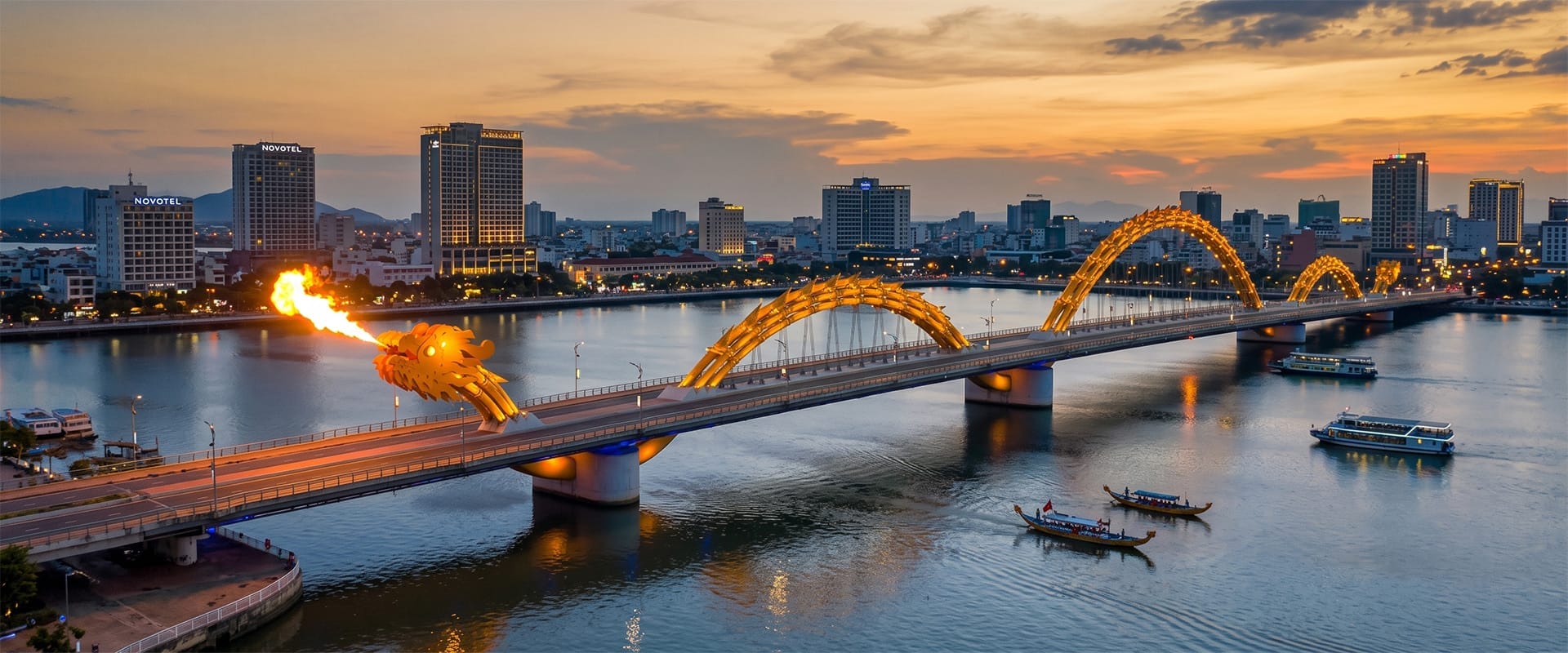

A central Da Nang museum where a focused route through Tra Kieu, My Son and Dong Duong makes Cham art easier to understand without trying to see every object.
Museum of Cham Sculpture Da Nang
Visit at a glance
QUICK FACTS
Attraction overview
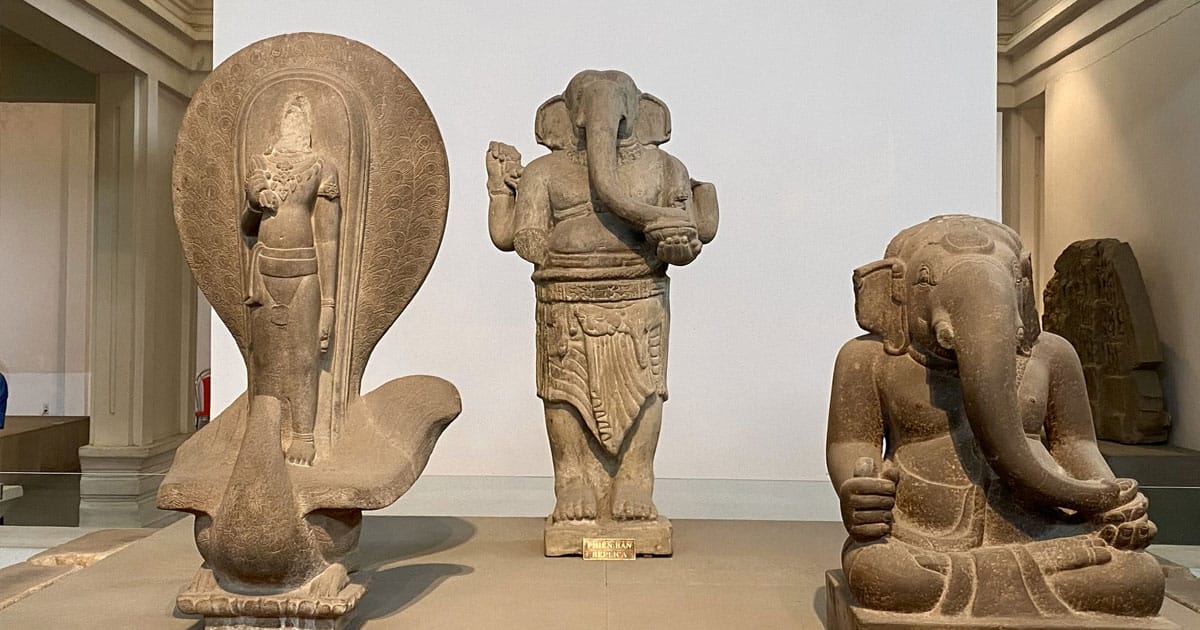
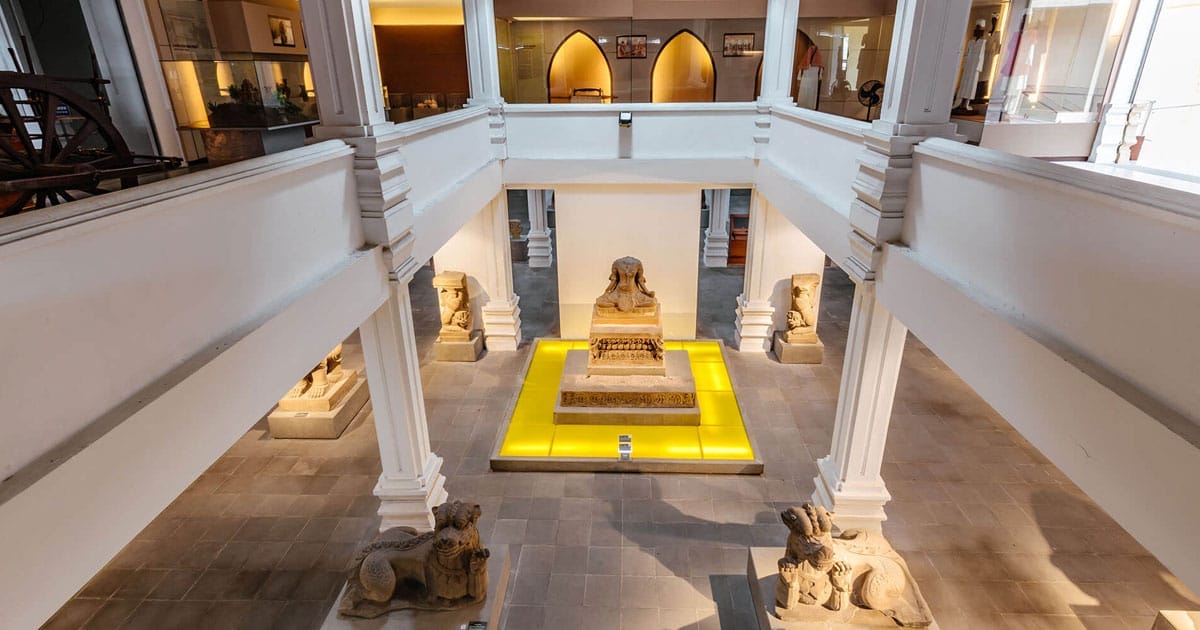
The Museum of Cham Sculpture is most useful when you treat it as a 60–90-minute introduction to Cham art, not a challenge to see every display. Start with Tra Kieu, My Son and Dong Duong, then expand only if a particular style or story interests you. The museum is especially valuable before or after My Son because it connects temple ruins with the sculptures, pedestals and religious imagery that once formed part of a much larger cultural landscape.
- Three-anchor route: Tra Kieu → My Son → Dong Duong gives first-time visitors a manageable way to understand the collection.
- Choose a visit length: 45 minutes for the three anchors, 60–90 minutes as the best default, or around two hours for travelers who genuinely enjoy art and history.
- My Son connection: visit the museum first for cultural vocabulary, or go to the My Son gallery early if you have already visited the sanctuary.
- Current planning facts: general admission is 60,000 VND, the current official planning window is 07:30–17:00, and the museum now houses 12 National Treasures.
- Practical central-city stop: it pairs naturally with the Han River and Dragon Bridge without turning the day into a cross-city itinerary.
Is the Museum of Cham Sculpture worth visiting?
Yes, if Cham culture, archaeology or My Son is part of your Central Vietnam trip. The museum gives you something an archaeological site cannot: original sculpture, close-up artistic detail and interpretation in a compact setting.
It is particularly useful for travelers who know little about Champa and want enough context to make later heritage sites easier to understand. If art and history hold little interest for you, however, this is not a stop you need to add simply to complete a Da Nang checklist.
If you are still deciding how this cultural stop fits into the wider city itinerary, see Things to Do in Da Nang.
Choose your visit length before you start
The museum is easier to enjoy when you decide how much attention you actually want to give it.
- About 45 minutes: focus on Tra Kieu → My Son → Dong Duong. Use one or two key objects in each gallery to understand the difference between the collections.
- About 60–90 minutes: the best default for a first visit. Add Thap Mam, use the audio guide selectively and leave enough time to look rather than only read labels.
- About two hours: worthwhile mainly if art, religion or archaeology is a priority. Use more of the audio material, compare styles and revisit the objects that interest you most.
The goal is not to prove that you saw every artifact. Three well-understood collections usually create more value than a fast circuit of every room.
Start with Tra Kieu, My Son and Dong Duong
Tra Kieu is a useful first anchor because it connects sculpture with an important political and religious centre of Champa. Look at pedestals and reliefs as parts of a larger sacred setting rather than isolated decorative objects.
My Son is the most intuitive bridge to the archaeological sanctuary many international travelers also visit. The collection helps explain how much sculptural and ritual detail once belonged to temple complexes that today are often experienced mainly as brick architecture and ruins.
Dong Duong adds an important contrast. Its Buddhist context helps correct the common assumption that Cham art is only a story of Hindu deities and temples.
After those three, add Thap Mam or another gallery only if you still want to compare artistic traditions. Named masterpieces can occasionally move within displays, so use the current gallery signage rather than assuming a particular object will always stand in exactly the same place.
Why are the galleries named My Son, Tra Kieu and Dong Duong?
The room names are a navigation system. They largely connect objects with archaeological places, regional centres or artistic traditions rather than sorting everything into simple categories such as statues, animals or religion.
Think of the museum as a map of Cham civilisation across Central Vietnam. My Son points toward a major Hindu sanctuary; Tra Kieu toward an important political-cultural centre; Dong Duong toward a major Buddhist centre. This makes the collection much easier to understand than trying to memorize the date and deity name on every label.
Four questions make Cham sculpture easier to read
You do not need to study Hinduism before visiting. Instead, ask four simple questions when an object catches your attention:
- Is this a deity, sacred creature or architectural fragment?
- Does the imagery appear Hindu or Buddhist?
- Which site or gallery does it come from?
- Was it designed to stand alone, or did it once belong to a larger temple structure?
That shifts the visit from “What is this statue called?” to “What role did this object play in a real sacred building or cultural centre?”
Should you visit the museum before or after My Son?
Both sequences work, but for different reasons.
- Before My Son → learn the vocabulary. You meet deities, pedestals, lingam-yoni forms and architectural fragments before seeing the sanctuary, so the ruins are easier to interpret in context.
- After My Son → recognise the objects. Go to the My Son gallery early in your museum visit and connect the sculpture with the site layout and temple architecture you have just seen.
For someone completely new to Champa, museum first is usually the easier learning sequence. For someone who has already visited the sanctuary, recognition and comparison can be more useful than starting the museum as if they have no context.
The museum does not replace My Son
The two experiences answer different questions.
The museum shows original sculpture, religious imagery, artistic styles and interpretation. My Son shows temple landscape, archaeology and architecture in place.
If you only have a short window in central Da Nang, the museum is an efficient cultural stop. If Cham heritage is a real priority, the museum and My Son complement each other rather than duplicate each other.
How to use the audio guide without turning the visit into a lecture
The museum provides web-based audio content in Vietnamese, English and French. Use it selectively rather than listening to every available track.
A good first-time approach is to choose three to five objects: one in Tra Kieu, one in My Son, one in Dong Duong, then one or two pieces that genuinely interest you. Bring earphones if you want to listen comfortably without using your phone speaker.
How to get there
The museum is in central Hai Chau near the Han River and Dragon Bridge. From some Han River and city-centre hotels, walking can be practical depending on your exact location and the weather. From My Khe and the beach side, a taxi or ride-hailing trip is usually the simpler option.
Do not choose transport based only on a district label; use your exact hotel pin and current traffic conditions on the day.
Can the museum work on an arrival or departure day?
Yes. Its central location and relatively short visit time make it useful before hotel check-in or after checkout.
There is one important luggage detail: museum rules require hand luggage over 3 kg to be left at the luggage counter, and valuables should stay with you. If you are carrying larger travel luggage, hotel storage may still be the more convenient arrangement.
Photography and museum etiquette
Normal personal photography is generally compatible with the museum rules, but do not use flash or a tripod and do not touch the artifacts. Professional or special filming may require permission.
Photography is more useful after you have looked at the sculpture itself. Spending the entire visit photographing labels is an easy way to leave with many images but very little cultural context.
Pair the museum with a nearby city stop
The museum sits in a practical central-Han-River cluster, so it does not need to become a separate half-day excursion. A simple sequence is museum first, then the riverfront or Dragon Bridge.
For the wider destination context around this part of the city, use the Da Nang travel guide.
Background and significance
History and context
The museum was founded in the early 20th century to preserve Cham sculpture collected from archaeological sites across Central Vietnam. Construction began in 1915 and the museum opened to the public in 1919. Its long-running archaeological role is useful to visitors today because the collection brings together sculpture and architectural fragments that originally belonged to religious and political centres spread across the region.
Visit planning
Opening hours, tickets and best time
An earlier visit is often more comfortable, especially in hotter months. Recent visitors frequently report that the historic galleries can feel warm around midday. Late afternoon can also work for a 60–90-minute visit if you leave enough margin before closing.
On-site advice
Practical tips for your visit
- Choose a time budget first: 45 minutes, 60–90 minutes or around two hours.
- Start with Tra Kieu → My Son → Dong Duong rather than trying to see every object in sequence.
- Use audio selectively for a few objects you genuinely want to understand.
- If My Son comes next, use the museum for vocabulary. If My Son came first, visit the My Son gallery early.
- Recent visitors frequently report that the historic galleries can feel warm around midday. An earlier visit is often more comfortable.
- Hand luggage over 3 kg must be left at the luggage counter. Keep valuables with you.
- Do not use flash or a tripod and do not touch artifacts.
- Do not assume accessibility details. Travelers with specific mobility requirements should confirm current access arrangements directly with the museum.
Why plan your visit with CentralVietnamTour?
Useful attraction guides should help you understand the visit before you arrive — including timing, access, realistic pacing and how the stop fits the rest of your Central Vietnam itinerary.
Before you go
Attraction FAQ
Q: Is the Museum of Cham Sculpture in Da Nang worth visiting?
Q: How much is the Museum of Cham Sculpture ticket?
Q: What are the Museum of Cham Sculpture opening hours?
Q: How long should I spend at the Cham Museum?
Q: How many National Treasures does the museum have?
Q: Should I visit the museum before or after My Son?
Q: Does the museum replace a visit to My Son?
Q: Is there an English audio guide?


See more of the place
Full gallery
Visit with local support
Tours that include or connect with this attraction
Related Tours
 10 Hours

 3 Hours

Continue exploring nearby
Nearby attractions
Nearby Attractions

Plan in more detail