
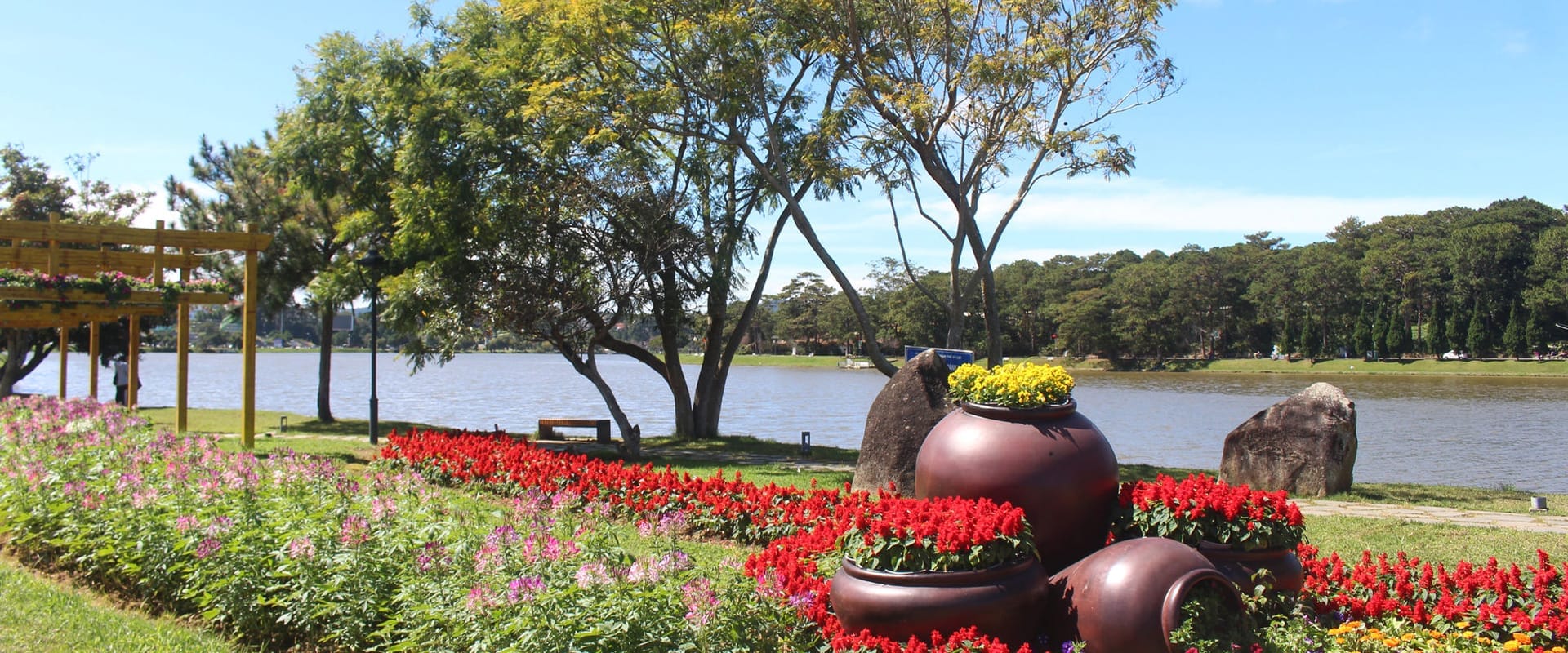
Vietnam’s highland retreat, where cool weather, pine forests, lakes, coffee farms and a distinctive mountain-city culture come together.
Da Lat
A Great choice for Central VietNam Tour
Share your details and our travel experts will call you back with personalized packages.
We'll call you soon


QUICK FACTS
Da Lat at a Glance
Da Lat is best understood as a highland city surrounded by countryside, not simply as a collection of attractions. Xuan Huong Lake, the central market, cafés and older urban neighborhoods form an easy visitor core, while pine forests, reservoirs, farms, waterfalls and mountain landscapes spread well beyond it.
This geography creates two distinct travel rhythms. Central Da Lat works well for walking, eating and evenings in town. The outer areas require transport but provide much of the scenery and agricultural character that make the destination different from other Vietnamese cities.
Administratively, Da Lat changed significantly in 2025. The former city-level unit was reorganized into five wards carrying the Da Lat name: Xuan Huong – Da Lat, Cam Ly – Da Lat, Lam Vien – Da Lat, Xuan Truong – Da Lat and Lang Biang – Da Lat. For travel planning, these new boundaries matter less than the practical distinction between the central urban area and the surrounding highland landscape.
The wider provincial context also changed in 2025, creating a much larger Lam Dong Province that includes the territories of the former Lam Dong, Dak Nong and Binh Thuan provinces. That administrative geography should not be confused with the much more compact destination international visitors mean when they search for Da Lat.
The main visitor decision is therefore how much of the trip should be city-based and how much should be spent in the surrounding highlands. Once that balance is clear, accommodation, transport and trip length become much easier to organize.
What Defines Da Lat
- Cool highland climate: altitude gives Da Lat noticeably milder conditions than Vietnam’s southern lowlands and coastal destinations.
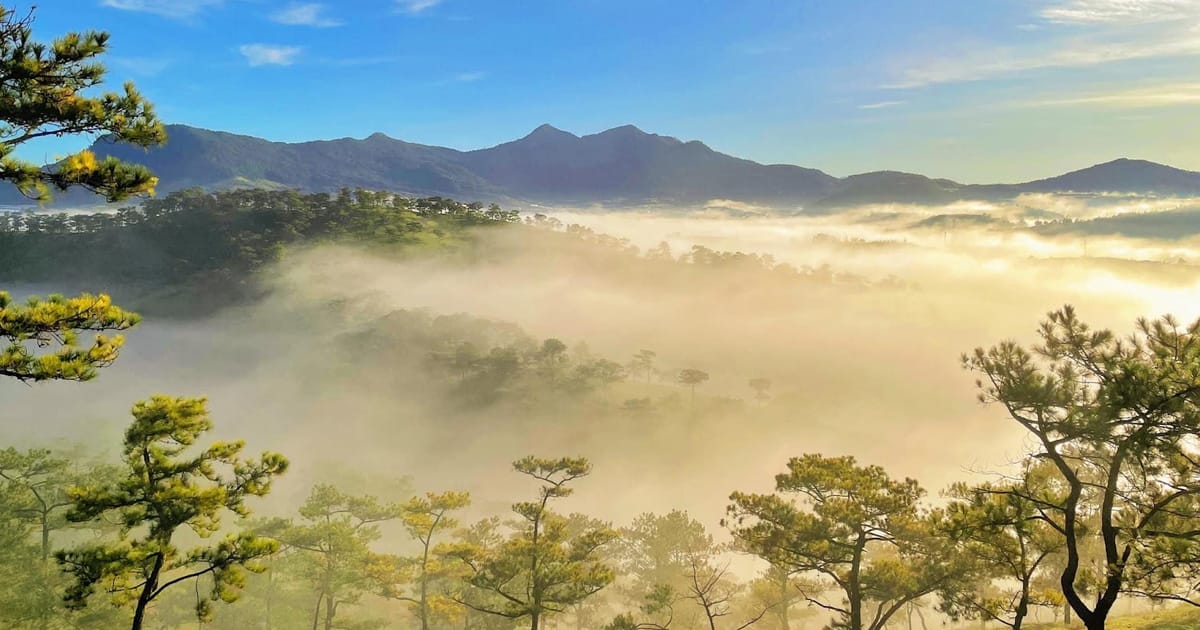
- Pine-covered landscape: hills, lakes and pine forests give the destination a visual identity unusual in tropical Vietnam.
- Agriculture is part of everyday scenery: flowers, vegetables, strawberries and coffee are not simply tourism products; farming strongly shapes the landscapes surrounding the city.
- Coffee connects the city with the wider Central Highlands: cafés are part of urban life, while coffee farms in the surrounding highlands show the agricultural side of the same culture.
- The destination changes quickly outside the center: a short drive can replace busy streets with reservoirs, farms, pine forest and mountain roads.
- Da Lat supports both slow travel and outdoor activity: travelers can spend the same trip moving between cafés, markets, cycling, hiking and countryside experiences.
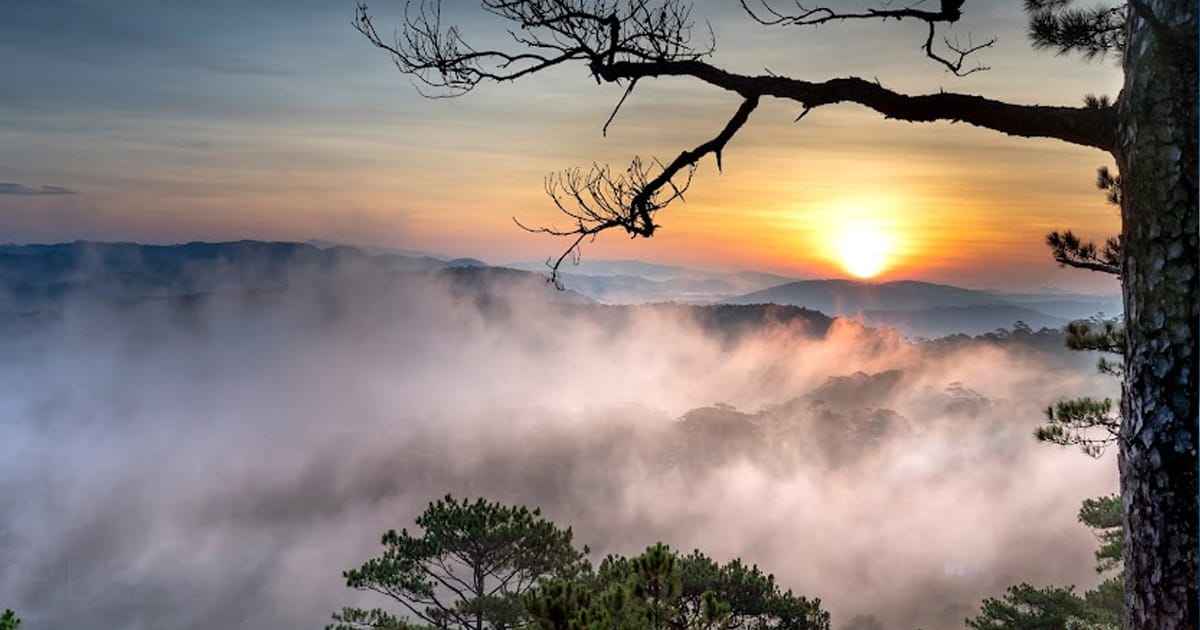
Think of Da Lat as City, Lakes and Highland Countryside
The easiest way to organize Da Lat is to divide the destination into three practical layers.
The central city is the everyday base. Xuan Huong Lake, Da Lat Market and nearby streets contain the highest concentration of cafés, restaurants, shops and evening activity. First-time visitors who want simple logistics will usually find this area easiest.
The lake-and-pine belt provides the slower landscape experience. Areas around Tuyen Lam and other forested outskirts feel much quieter than downtown and suit travelers who want views, resorts and morning scenery more than immediate access to the market.
The wider highlands provide agriculture and mountain scale. Trai Mat, Xuan Truong, coffee-growing areas and the Lang Biang side of the destination reveal fields, greenhouses, farms and terrain that cannot be understood from the city center alone.
A strong first trip should normally experience more than one of these layers instead of spending every day moving between individual attractions.
How Long Should You Stay in Da Lat?
Two nights works for a short introduction. It gives enough time for the central city and one substantial countryside experience, but weather or long transfers can make the schedule feel compressed.
Three nights is a strong starting point for first-time visitors. One part of the trip can focus on central Da Lat, another on lakes or countryside, while the remaining time allows cafés, food and unplanned stops to remain part of the experience.
Four nights suits travelers who genuinely enjoy highland travel. Extra time makes more sense when coffee farms, photography, cycling, countryside accommodation or slower mornings are priorities.
Unlike a destination built around one major landmark, Da Lat becomes more enjoyable when additional time reduces daily driving rather than simply increasing the number of places visited.
Where Should First-Time Visitors Stay?
Central Da Lat is the safest all-round choice. Staying around Xuan Huong Lake, Da Lat Market or nearby central neighborhoods gives easy access to restaurants, cafés and evening activity. It works particularly well for first visits and short stays.
The drawback is urban intensity. Traffic, hotel density and busy weekend streets can reduce the quiet highland atmosphere some travelers expect before arriving.
Tuyen Lam and the southern lake area suit slower stays. The environment feels more spacious and forest-oriented, with resorts and accommodation that place the landscape ahead of nightlife or market access.
Outer countryside accommodation works best when the property itself is part of the experience. Farm stays, hillside lodges and more remote villas can provide quiet mornings and stronger scenery, but travelers should expect more transport for restaurants and central-city activities.
For a three-night first visit, changing hotels is usually unnecessary. Choose one base that matches the majority of the trip rather than trying to experience every type of accommodation.
Do Not Judge Distance by the Map Alone
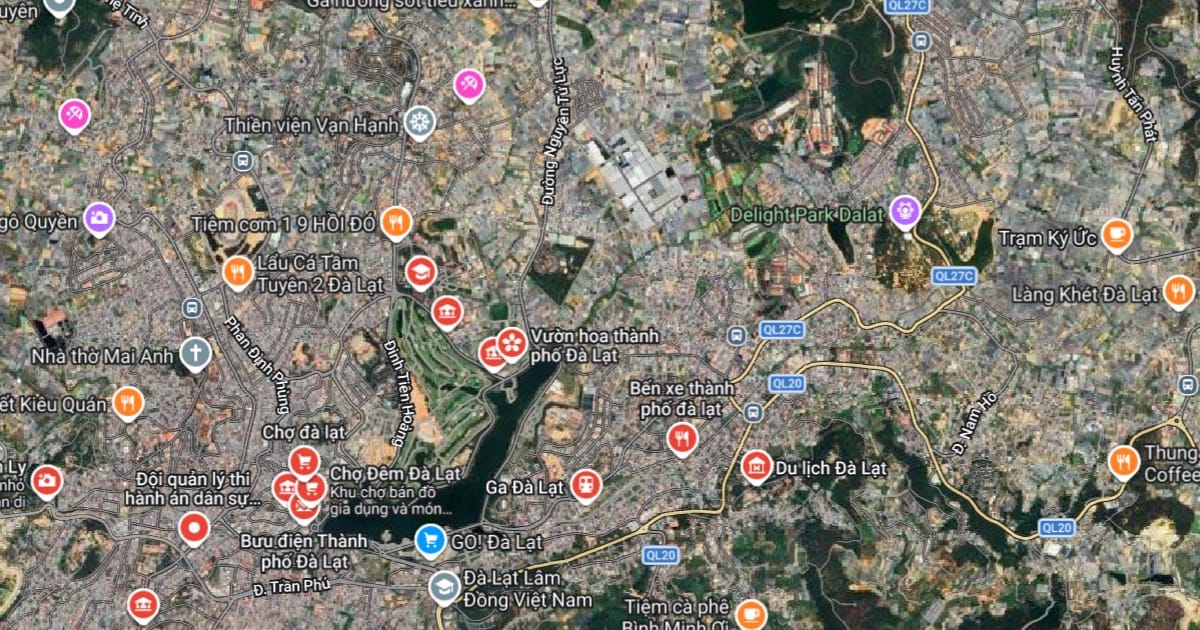
Central Da Lat looks compact, but the wider destination spreads across hills and valleys. Elevation changes, winding roads and traffic mean a short straight-line distance can require more time than expected.
Walking works well around Xuan Huong Lake, the market and nearby central streets. Once the plan moves toward Tuyen Lam, Trai Mat, mountain areas or farms, road transport becomes more practical.
Taxis and app-based cars are straightforward choices for most visitors. Motorbikes provide flexibility and suit experienced riders, but mist, rain and winding highland roads deserve more respect than normal city traffic.
A useful strategy is to group activities geographically: one central-city period, one southern lake or forest period, and one eastern or northern countryside period rather than repeatedly crossing Da Lat during the same day.
The Cool Climate Changes How You Experience Da Lat
Weather is not simply background information in Da Lat. It changes clothing, photography, café culture and the way outdoor days should be paced.
Mornings and evenings can feel noticeably cooler than midday, especially toward the end of the year. Mist can soften visibility across lakes and hills, while rain during the wetter months can change motorbike and walking plans quickly.
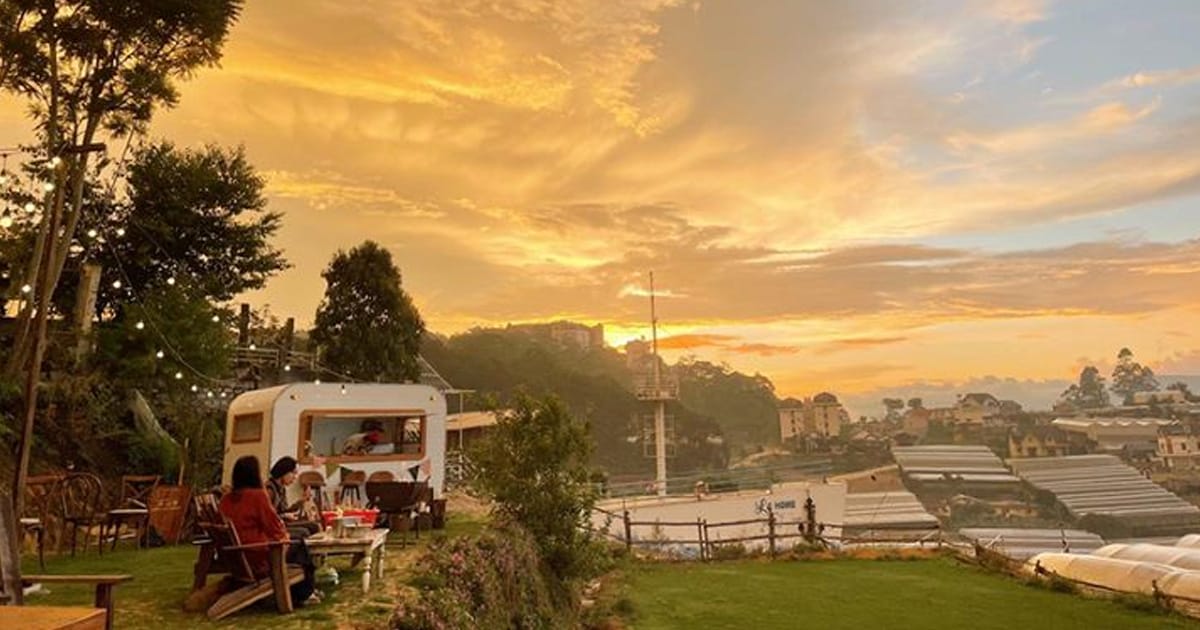
This climate is also one reason cafés have such a strong role in the destination. A hot drink, sheltered terrace or long afternoon coffee feels naturally connected to the highland environment rather than simply being another tourism activity.
Agriculture Is Part of Da Lat’s Identity
Da Lat’s cooler climate supports a farming landscape unlike most lowland areas of Vietnam. Flowers, vegetables, strawberries and coffee occupy large parts of the surrounding highlands, while greenhouses are now a visible feature of the countryside.
This agricultural economy shapes tourism as well. Visitors can see farms, buy locally grown produce and understand how the area supplies flowers and vegetables to other parts of Vietnam.
For travelers, the strongest insight is not simply that Da Lat has flower gardens. It is that intensive highland agriculture is part of the working landscape surrounding the destination.
Coffee Links Da Lat to the Central Highlands
Coffee deserves more attention in Da Lat than a list of photogenic cafés. The city lies within one of Vietnam’s major coffee-growing regions, and coffee farming connects urban café culture directly with the surrounding highlands.
Arabica is particularly associated with the cooler elevations around Da Lat and Lang Biang, while local highland communities also remain connected with coffee cultivation and agricultural life.
This creates two complementary experiences: drink coffee in the city to understand contemporary Da Lat life, then see a farm or agricultural area if you want to understand where that culture begins.
Who Will Enjoy Da Lat Most?
Da Lat suits travelers who enjoy cool weather, cafés, scenery, food, photography, countryside drives and a slower urban rhythm.
Couples often appreciate the lakes, cooler evenings and quieter accommodation outside the center. Families can combine easy city activities with farms and countryside stops without needing strenuous outdoor plans.
Outdoor travelers can use Da Lat as a base for hiking, cycling and other highland activities.
Travelers looking mainly for beaches, tropical resort weather or a dense historic old town may prefer another destination. Da Lat’s strongest character comes from climate, highland scenery and the relationship between city life and countryside.
Da Lat in a Wider Vietnam Journey
Ho Chi Minh City and Da Lat make a strong contrast. Ho Chi Minh City provides heat, density, street activity and a large metropolitan food scene; Da Lat shifts the trip toward cooler air, lakes, pine forests and highland agriculture.
Da Lat and the coast also provide very different experiences. Routes connecting the highlands with Nha Trang or Mui Ne move between mountain terrain and warmer coastal landscapes, making Da Lat useful as a climate and scenery contrast within a longer journey.
The enlarged Lam Dong Province now extends far beyond the traditional Da Lat highlands. For travelers, Da Lat should still be planned as its own highland destination rather than as shorthand for the entire province.
Weather in Da Lat
Da Lat’s altitude produces a temperate highland climate that feels substantially cooler than Southern Vietnam’s lowlands.
The broad rainy period runs approximately from April through November, although rainfall varies through the season. Outdoor activities are easier to organize during the drier months, while wetter periods bring greener landscapes but more unpredictable walking and riding conditions.
From late in the year into the early months of the next, mornings and evenings can feel cold enough for a jumper or light jacket, especially for travelers arriving directly from Ho Chi Minh City or the coast.
Weather can change across the day, so layers are more useful than dressing for one fixed temperature.
Best Time to Visit Da Lat
December through March is an easy broad period for many first-time visitors. Drier weather usually makes countryside drives, outdoor cafés and walking simpler to organize.
Late-year and early-year travel also brings some of Da Lat’s coolest conditions, so visitors who enjoy crisp mornings and cooler evenings often prefer this period.
The rainy months should not automatically be avoided. Farms and hills are greener, cafés work well as flexible shelter, and short showers can be built into a slower itinerary. The trade-off is less predictable conditions for long outdoor days or motorbike travel.
The best period therefore depends on whether you prioritize drier sightseeing, cool weather, green landscapes or a quieter travel rhythm.
Highland Culture and Da Lat’s Urban Identity
Da Lat’s identity combines several layers: indigenous Central Highlands culture, agricultural settlement, French colonial-era resort development and a modern Vietnamese city built around education, tourism and farming.
The French developed Da Lat as a mountain retreat in the early twentieth century, leaving a legacy visible in villas, churches, civic buildings and other European-influenced architecture.
That colonial layer should not obscure the deeper highland context. K’Ho communities have long lived around the Lang Biang area and remain connected with farming, coffee cultivation, textiles and local cultural traditions.
Modern Da Lat culture is also shaped by students, cafés, agriculture, domestic tourism and the everyday habit of using public spaces, markets and lakeside streets in cooler weather.
Food in Da Lat
Da Lat food reflects the highland climate and the region’s unusually strong agricultural supply. Fresh vegetables, herbs, strawberries and other locally grown produce appear throughout markets, cafés and restaurants.
Cool evenings also influence the way people eat. Hot snacks, grilled foods, soups and warm drinks naturally suit a destination where temperatures fall after sunset.
Coffee is one of the most important parts of the food-and-drink identity. The surrounding Central Highlands are a major coffee-growing region, while Da Lat’s cooler elevations are particularly associated with arabica cultivation.
For first-time visitors, the best introduction is a combination of the central market, a local meal and at least one café that gives enough time to experience Da Lat’s slower highland rhythm.
How to Get to Da Lat
Lien Khuong Airport is the main air gateway for Da Lat, located south of the traditional urban center.
Road travel is also important. Bus and private-transfer connections link Da Lat with Ho Chi Minh City, while Nha Trang and Mui Ne are established regional approaches from the coast.
Once you arrive, check the exact accommodation area. A central Da Lat hotel, a Tuyen Lam resort and a countryside lodge can create very different transfer requirements even though all are marketed under the same destination name.
Practical Tips for Visiting Da Lat
- Stay centrally on a short first visit. Xuan Huong Lake and the market area make food, cafés and evening walking much easier.
- Group countryside areas geographically. Avoid crossing the hills several times in one day simply to collect individual attractions.
- Carry a light layer. Da Lat can feel surprisingly cool in the morning and evening compared with the coast or Ho Chi Minh City.
- Keep rain protection available during the wetter months. Mountain weather can change quickly.
- Do not spend the entire trip in the center. Farms, pine landscapes and highland roads explain much of what makes Da Lat distinctive.
- Use cafés as part of the travel rhythm. Coffee culture is connected with local agriculture and climate, not merely a photo stop.
- Be cautious with motorbikes in mist or rain. Winding roads and changing visibility make the highlands different from flat city riding.
Why Travel With Us?
Tailored to You: Custom itineraries matching your exact pace and passions.
Go Local: Authentic experiences guided by native experts.
Zero Stress: We handle all logistics—transport, tickets, and stays.
24/7 Support: Round-the-clock local assistance, whenever you need it.
Exceptional Value: Premium quality at fair, transparent prices.
You may also like

A hundred years from now, no one in this world will remember you or me. We only come to this world once — to leave our footprints on new lands and to etch every moment deep into our memory.
Live for the experience. Start your journey today — book your tour and make memories that last a lifetime!
View Our Business & Travel Licenses
Book your holidayGallery
FAQ
Q: Is Da Lat worth visiting?
Q: How many days should I spend in Da Lat?
Q: Is Da Lat still a city after the 2025 administrative changes?
Q: Which province is Da Lat in now?
Q: Where should first-time visitors stay in Da Lat?
Q: Can I explore Da Lat on foot?
Q: What is the best time to visit Da Lat?
Q: What is Da Lat known for besides flowers?
Q: How does Da Lat fit with Ho Chi Minh City?

Phong Nha–Ke Bang Named Asia’s Leading National Park 2026
Phong Nha–Ke Bang won Asia’s Leading National Park 2026 and Vietnam’s Leading Nature Destination 2026. [...]
Sep

Hue to Dong Hoi by Train: Schedules, Tickets & Phong Nha Connection
Choose the right Hue–Dong Hoi train by arrival window, seat or berth, luggage, HQ2 vs [...]
Sep

Da Nang to Phong Nha: Bus, Train, Private Car & Best Route
Compare direct buses, train via Dong Hoi, private cars and Da Nang Airport connections by [...]
Sep

Hue to Phong Nha: Bus, Train, Private Car & Best Way to Travel
Compare direct buses, Hue Northern Bus Station coaches, the HQ1/HQ2 heritage train, Grab and private [...]
Sep

Da Nang vs Hue: Which City Should You Stay In?
Compare Da Nang and Hue by trip anchor, daily pace, usable nights and transfer friction [...]
Sep

Hoi An Lantern Festival Guide: 2026 Dates & Evening Plan
Plan Hoi An's monthly Lantern Festival around the 14th lunar night, verified 2026 dates, an [...]
Sep

Hoi An Tailor Guide: What to Make, Fittings & Buying Tips
Learn how to get clothes made in Hoi An: choose a tailor, compare fabrics and [...]
Sep

Where to Stay in Hue: Best Areas by Trip Style
Compare the best areas to stay in Hue, from the central south bank and Citadel [...]
Sep